Funding Impasse Deepens as Senate Leaves Town
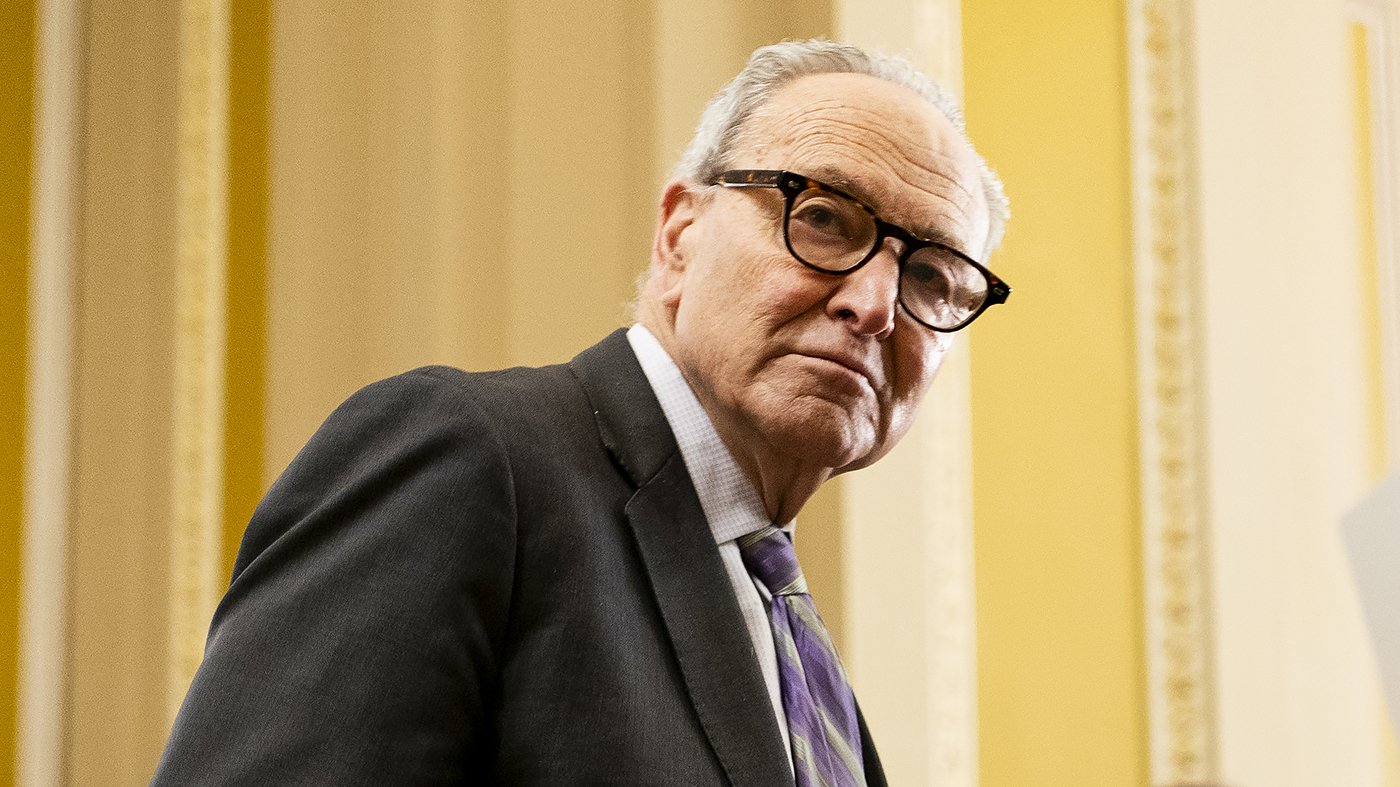
Senate Democratic Leader Chuck Schumer delivered a definitive rejection Friday of a House Republican plan to extend funding for the Department of Homeland Security for two months, declaring the proposal "dead on arrival" in the upper chamber. The move escalates a partisan standoff over immigration enforcement funding just as Congress departs for a two-week Easter recess.
Schumer's rejection targets a Republican effort to fund the entire DHS through a 60-day continuing resolution, which GOP lawmakers argued would provide more time for negotiations on full-year appropriations for Immigration and Customs Enforcement and potential reforms to border security operations. The Democratic leader dismissed this approach as an unacceptable "blank check" that would perpetuate current immigration policies without changes.
Senate Passes Partial Funding Package
Earlier Friday, Schumer reached agreement with Senate Republicans on a separate funding package that passed unanimously. That measure provides full-year funding through September for several DHS components including the Transportation Security Administration, Federal Emergency Management Agency, the Cybersecurity and Infrastructure Security Agency, and the Coast Guard.
Notably absent from the Senate package was any funding for ICE or U.S. Border Patrol, a deliberate exclusion that caught House conservatives by surprise and drew immediate condemnation. House Speaker Mike Johnson promptly rejected the Senate-passed bill, stating simply: "We're not doing that." This legislative maneuvering reflects broader tensions over immigration policy that have repeatedly stalled bipartisan funding agreements throughout the current session.
Democratic Position Hardens on Immigration
"We've been clear from day one: Democrats will fund critical Homeland Security functions—but we will not give a blank check to Trump's lawless and deadly immigration militia without reforms," Schumer stated Friday afternoon, employing unusually sharp rhetoric for the typically measured leader. "A 60-day CR that locks in the status quo is dead on arrival in the Senate, and Republicans know it."
The Senate has now adjourned until April 13, leaving the funding dispute unresolved and creating uncertainty for DHS operations. The impasse comes amid broader national security discussions within the administration that extend beyond domestic immigration enforcement to include international conflicts.
House Conservatives Fume Over Exclusion
The House Freedom Caucus immediately condemned the Senate's partial funding approach, with Chairman Andy Harris calling the deal "bad for America." The Maryland Republican accused Senate Democrats of deliberately undermining border security operations. "We can't believe that the Senate abdicated its responsibility this morning of not funding the child sex trafficking division of ICE, that they didn't fund the Border Patrol," Harris said. "I guess the Democrats want a wide open border."
Harris indicated House Republicans would insist on adding ICE and Border Patrol funding back into any legislation, along with voter identification requirements—a policy priority that has faced Democratic opposition in the Senate despite some previous indications of support from Schumer. "The only thing we're going to support is adding that funding into the bill, adding voter ID, sending it back to the Senate, make them come back in and do their work," Harris asserted.
Broader Political Context
The funding dispute occurs against a backdrop of shifting political dynamics, including recent Democratic gains in traditionally Republican states that could influence future legislative negotiations. Meanwhile, Democratic policy priorities extend beyond immigration to include energy and technology initiatives that face their own congressional hurdles.
The standoff ensures immigration and border security will remain at the forefront of congressional agenda when lawmakers return in mid-April, with little time remaining to reach agreement before potential funding lapses. The political stakes are particularly high given ongoing debates about enforcement methods, including controversies surrounding ICE operational protocols that have drawn Democratic criticism.