Florida's political identity as a reliably Republican stronghold, cemented during the Trump era, is facing new scrutiny following a series of unexpected Democratic victories in local and special elections. These wins are forcing both parties to confront the possibility that the state's political terrain may be more fluid than its recent red hue suggests.
Evidence of a Shift
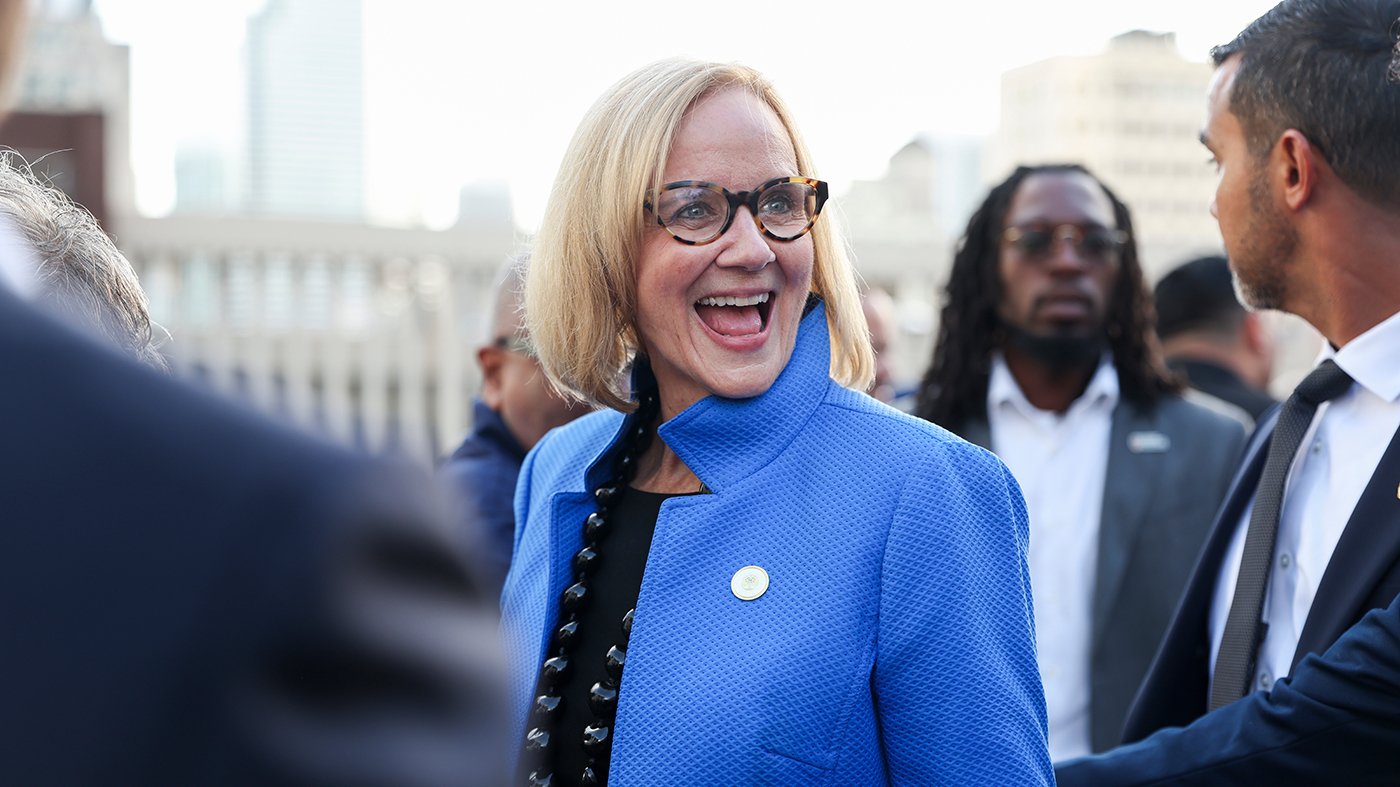
The most symbolic victory came this week when Democrat Emily Gregory flipped a state legislative district that encompasses former President Donald Trump's Mar-a-Lago resort. This followed the recent election of Eileen Higgins as mayor of Miami, the first Democrat to hold that office in decades, and another upset win by Brian Nathan in a separate district. Democratic strategists point to these results as evidence of growing voter dissatisfaction with the national political climate under Trump.
"It doesn't mean everything but it means something," said Steve Schale, a top Democratic strategist in Florida who ran Barack Obama's state operations. "I still think Florida is very hard at the statewide level but we have a more motivated electorate than we had in 2024. I do think more places are going to be in play. More voters are open to us making our argument to them."
Strategic Interpretations
Fernand Amandi, a Democratic consultant advising several campaigns, argues the data is now "indisputable." "We are now seeing in Florida what is happening everywhere else across the country, which is a double-digit Democratic over-performance in every single election since Donald Trump has retaken the presidency," Amandi stated. He cautioned that this does not instantly transform Florida into a purple state, but suggests it is "back in play" for the first time since 2018.
Republicans maintain public confidence but acknowledge private concerns. A former Trump campaign adviser, speaking anonymously, revealed "a lot of nervousness among Republicans" due to the president's low approval ratings with midterm elections approaching. "There's no real chance of losing the state, let's say at the governor level," the adviser conceded, while calling the recent Democratic wins "a sign of unpopularity." This internal GOP tension is reflected in incidents like a Florida Republican hosting sanctioned Russian officials, which has created party divisions.
David Jolly, the former GOP congressman now running for governor as a Democrat, offered a tempered analysis. "We should be cautious and understand—I think what we're seeing are people fleeing Republican leadership," Jolly said. "Whether or not they're embracing Democrats is to be determined. I think they're giving us a very fragile license in a moment of dramatic change."
The Uphill Battle
Democrats face significant structural challenges. Republican voter registration in Florida now surpasses Democratic registration by nearly 1.5 million, a daunting gap. "The registration difference is the challenge," said Democratic megadonor John Morgan, who attributed Democratic gains to voter reaction against "chaos and cruelty."
The state party has launched organizing initiatives like the Pendulum Initiative to make inroads in red districts and rural areas. However, strategists emphasize that sustained progress requires national support. "What Democrats in the state of Florida now need is rescue, resources and infrastructure help from the national party," Amandi argued, stating donors need to believe "it's safe to swim in Florida's political waters again."
These local developments occur against a backdrop of intense national political battles, including a Senate Democratic rejection of a DHS funding bill that is pushing the administration toward emergency actions, and controversies like the House Ethics Panel advancing a case against a Florida Democrat over alleged FEMA fund misuse.
The emerging question for both parties is whether these Florida results are temporary protests or the beginning of a broader recalibration. For Democrats, the victories offer a glimmer of hope in a state where they have suffered repeated statewide defeats. For Republicans, they serve as a warning that even in their strongest bastions, the political ground can shift, especially when the national party is embroiled in controversies, from attacks on media polling to unprecedented actions like placing a president's signature on U.S. currency. The coming midterm elections will test whether this is a momentary tremor or a genuine fault line in the Sunshine State's political geology.