Currency to Bear Sitting President's Signature for First Time
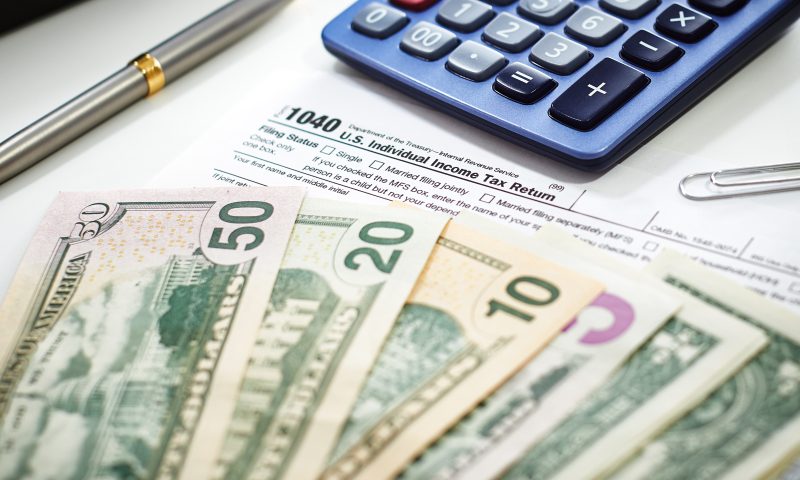
The U.S. Treasury Department announced on Thursday a historic departure from tradition: President Donald J. Trump's signature will be added to American paper currency. The move, framed as part of the nation's upcoming 250th anniversary commemoration, marks the first instance of a sitting president's name appearing on circulating money.
Treasury Secretary Scott Bessent declared the decision a fitting tribute. "There is no more powerful way to recognize the historic achievements of our great country and President Donald J. Trump than U.S. dollar bills bearing his name," Bessent said in an official statement. "It is only appropriate that this historic currency be issued at the Semiquincentennial."

Legal Shift Paves the Way
This development follows a significant legal change. Federal law has traditionally prohibited depicting living individuals on U.S. coins or currency. However, a provision within the Circulating Collectible Coin Redesign Act of 2020, which President Trump signed during his first term, created an exception for coins commemorating the 250th anniversary. This legal adjustment has now been interpreted to extend to paper currency for the anniversary observance.
Secretary Bessent linked the decision directly to the administration's economic record. "Under President Trump's leadership, we are on a path toward unprecedented economic growth, lasting dollar dominance, and fiscal strength and stability," he asserted.
Preceded by Commemorative Coin Approval
The currency announcement comes just a week after the Commission of Fine Arts approved the design for a special $1 gold coin also featuring President Trump's likeness in honor of the semiquincentennial. This sequence indicates a coordinated effort to incorporate the president's image into official commemorations of the nation's founding.
This initiative is part of a broader pattern during Trump's second term of attaching his name to prominent institutions. Recent actions include renaming the Institute of Peace to the Donald J. Trump Institute of Peace and the Kennedy Center to the Trump Kennedy Center. The administration has also been active on other fronts, such as when Trump moved to pay TSA agents via executive order during a Department of Homeland Security funding lapse.
Broader Political Context
The decision is likely to ignite debate over the blending of contemporary political figures with enduring national symbols. It arrives as the administration navigates complex policy challenges, including extending a military pause on Iran energy targets amid delicate diplomatic maneuvers. The move also contrasts with other political developments, such as the failed effort by Utah Republicans to repeal a redistricting map after thousands of voters withdrew their petition signatures.
Critics may question the precedent of placing a sitting president's signature on money, a practice avoided since the nation's founding. Supporters are expected to frame it as a celebration of current national achievements under Trump's leadership. The rollout will be closely watched as a defining element of the 250th anniversary preparations and as a reflection of this administration's approach to legacy and symbolism.