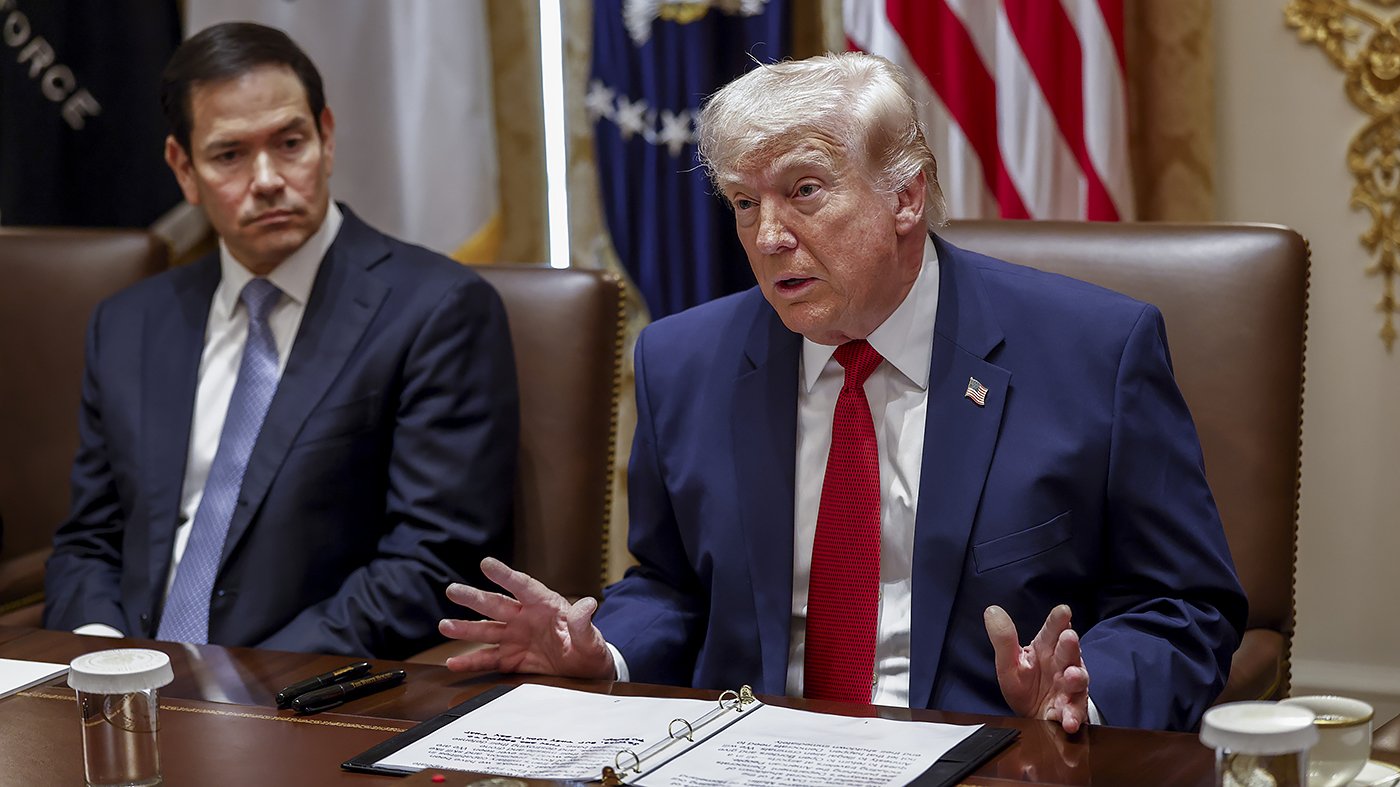
President Donald Trump announced Thursday he will use executive authority to direct the Department of Homeland Security to pay Transportation Security Administration agents, attempting to address mounting operational disruptions at airports across the country as a partial government shutdown continues.
In a post on his TruthSocial platform, Trump framed the move as necessary to counter what he called "Democrat Chaos at the Airports." The order will instruct Homeland Security Secretary Markwayne Mullin to authorize immediate payments to TSA personnel, who have been working without pay during the funding lapse that has entered its sixth week.
Shutdown Strains Airport Security
The announcement follows reports of significant security line delays and operational strain at major airports, with some locations experiencing wait times stretching several hours. The TSA, which falls under DHS, has seen rising absentee rates as financial pressures mount on its workforce of approximately 60,000 employees.
"It is not an easy thing to do, but I am going to do it!" Trump stated in his post. "I want to thank our hardworking TSA Agents and also, ICE, for the incredible help they have given us at the Airports." The reference to Immigration and Customs Enforcement highlights the broader DHS shutdown context, where multiple agencies within the department are affected.
Congressional Impasse Prompts Executive Action
The executive action comes as congressional negotiations to fully fund the Department of Homeland Security remain stalled. The House and Senate have been unable to reach a compromise on appropriations, leaving agencies operating under a continuing resolution that expired weeks ago.
Trump's decision to intervene unilaterally underscores the administration's growing urgency to mitigate visible public impacts of the shutdown, particularly in transportation hubs. The move represents a significant escalation in the political standoff, effectively bypassing the legislative appropriations process.
Legal scholars are likely to scrutinize the authority for such an order, given constitutional provisions assigning spending power to Congress. The administration is expected to justify the action under emergency provisions related to national security and transportation safety.
The president's announcement follows a pattern of using executive power to advance policy amid legislative gridlock. This approach mirrors other unilateral moves, such as the recent extension of a military pause on Iranian energy targets, which was also executed without congressional approval.
As airport disruptions threaten to intensify during peak travel periods, the administration faces mounting pressure to demonstrate operational control. The executive order represents both a practical response to staffing crises and a political maneuver to assign blame for the shutdown's consequences squarely on congressional Democrats.
The development occurs alongside other contentious administration actions, including civil rights investigations into major university medical programs and ongoing diplomatic challenges in the Middle East. Together, these moves illustrate a presidency increasingly reliant on executive authority to govern amid persistent political division.