Controversial Meeting Sparks Foreign Policy Divide
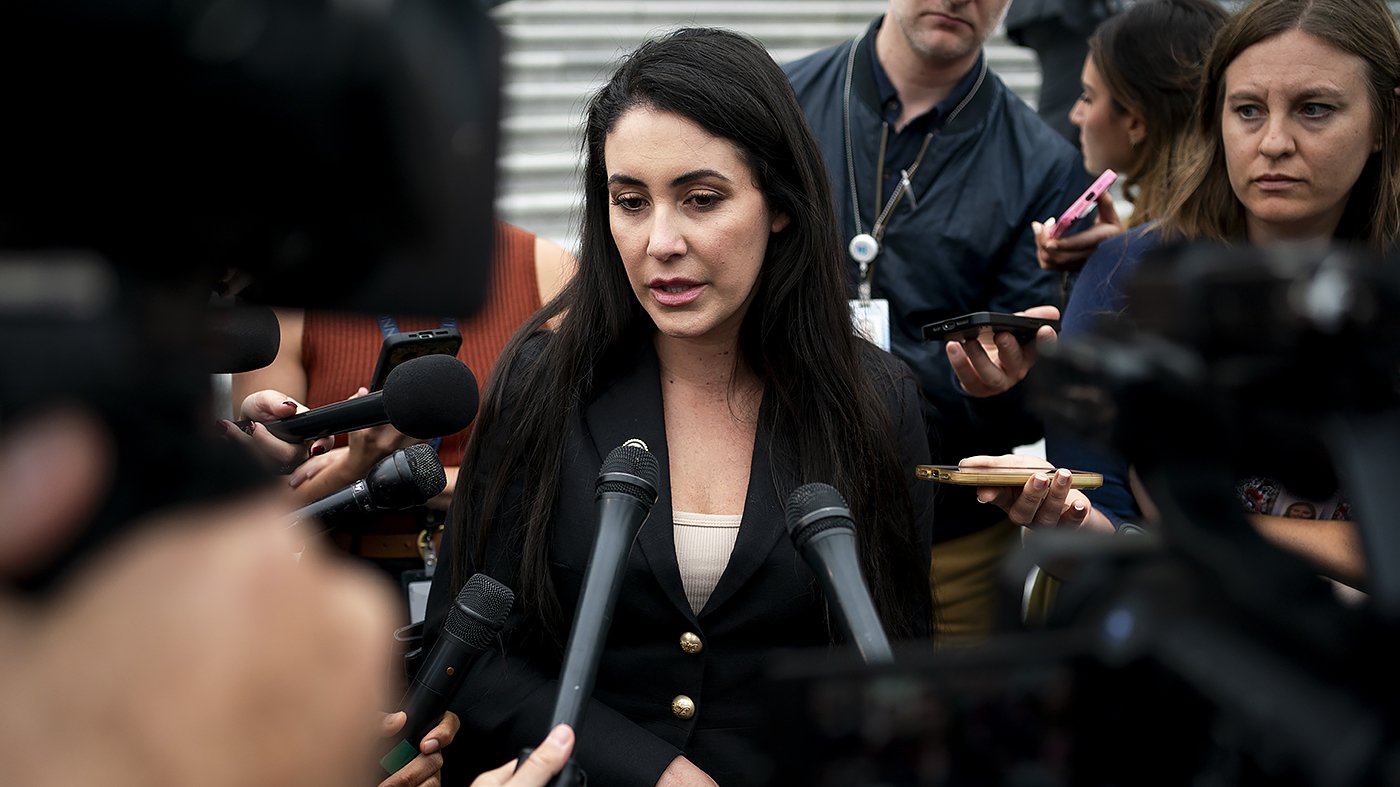
Florida Republican Representative Anna Paulina Luna hosted a delegation of sanctioned Russian officials in Washington this week, a move that exposed deep fractures within the GOP over engagement with Moscow and provoked immediate condemnation from Ukrainian advocacy groups and exiled Russian opposition figures. Luna framed the meeting as an effort to establish dialogue with a nuclear superpower and pursue peace in Ukraine, but critics accused her of legitimizing figures tied to an ongoing war of aggression.
Capitol Access and Attendees
The visit included a private tour of the U.S. Capitol, with access to the House Speaker's office suite. The meeting was attended by Luna and Republican Representatives Derrick Van Orden of Wisconsin, Andy Ogles of Tennessee, and Eli Crane of Arizona. Texas Democratic Representative Vicente Gonzalez was also present. The Russian delegation included Svetlana Sergeyevna Zhurova, a member of Putin's United Russia party, who noted it was her first time visiting the Capitol.
Luna defended the engagement, telling reporters that Congress has "one obligation to establish communication, to foster dialogue" with a nation typically viewed as an adversary. She stated the group is "pushing for an ending to the war in Ukraine" and wants congressional support for peace talks. The visit required special arrangements, as all delegation members were sanctioned by the U.S. in 2022 following Russia's invasion of Ukraine, likely necessitating a State Department-issued sanctions waiver.
Sharp GOP Criticism and Measured Support
Reactions from Luna's Republican colleagues ranged from harsh condemnation to cautious support. House Foreign Affairs Committee member Andy Barr of Kentucky called Russia an "adversary" and questioned the meeting's objectives given U.S. support for Ukraine. In a striking comparison, Representative Joe Wilson of South Carolina, a hawkish Ukraine supporter, equated meeting with members of the Russian Duma to "having visitors of the Third Reich." He argued that the Putin regime promotes goals of "death to America, death to Israel."
Other Republicans offered more nuanced views. Representative Derrick Van Orden, a former Navy SEAL, described the U.S. side as united in delivering a message of peace. He recounted challenging the Russian lawmakers' claims that they didn't understand why they were sanctioned, telling them, "if you're not telling the truth, this is not going to work." Van Orden suggested establishing a relationship was necessary before making demands, quoting, "The journey of a thousand miles is starting with a single step." He speculated one delegate was likely a former KGB agent but found them "pleasant enough."
House Foreign Affairs Committee Chair Brian Mast of Florida, who was invited but did not attend, said it's "always appropriate to have a conversation." However, he outlined a stringent list of concessions he would demand from Russia, including complete withdrawal from Ukraine, de-escalation of nuclear posture, payment of reparations, and resolution of war crimes allegations—particularly the kidnapping of tens of thousands of Ukrainian children.
International Condemnation and Broader Context
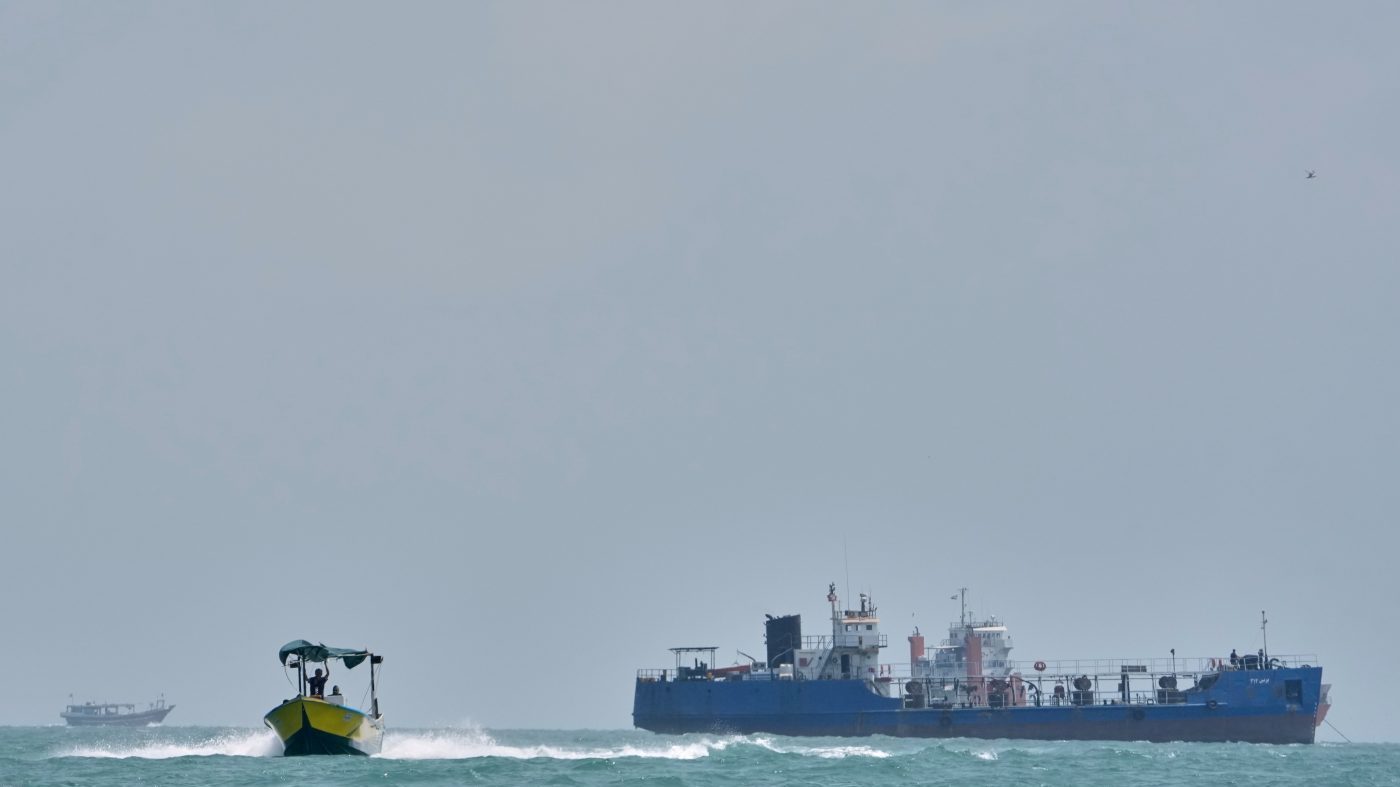
The meeting drew swift international rebuke. Ukraine's Ambassador to the U.S., Olga Stefanishyna, noted the individuals remain "fully sanctioned" and questioned the responsibility of lawmakers meeting "people directly responsible for the massive war crimes of humanity." Advocacy group Razom for Ukraine called the meeting "outrageous and unacceptable." The controversy unfolds amid broader geopolitical tensions, including a UK crackdown on Russian shadow fleet tankers and reports of a Russian intelligence phishing campaign targeting U.S. officials.
Luna posted a photo of the delegation outside the U.S. Institute of Peace, a congressionally funded institute rebranded under the Trump administration. The meeting occurs as the White House faces other legislative challenges, including efforts to negotiate a FISA 702 compromise with skeptical lawmakers. It also follows recent military deployments, with lawmakers demanding clarity on the deployment of the 82nd Airborne amid an Iran buildup.
The U.S. last convened Russia and Ukraine for peace talks in February, with a fourth round expected this month but postponed due to the conflict with Iran. Luna's direct engagement with sanctioned officials represents an unconventional and contentious approach to diplomacy, testing the limits of congressional foreign policy maneuvering and highlighting the persistent divisions over how to confront a resurgent Russia.