Senate Democrats on Thursday blocked a Republican-led effort to establish a national photo identification requirement for voters, creating a direct contradiction with their leader's recent public statements on election security. The amendment, introduced by Ohio Republican Senator Jon Husted, failed on a 52-47 vote, falling short of the 60 votes needed for adoption.
A Direct Challenge to Democratic Rhetoric
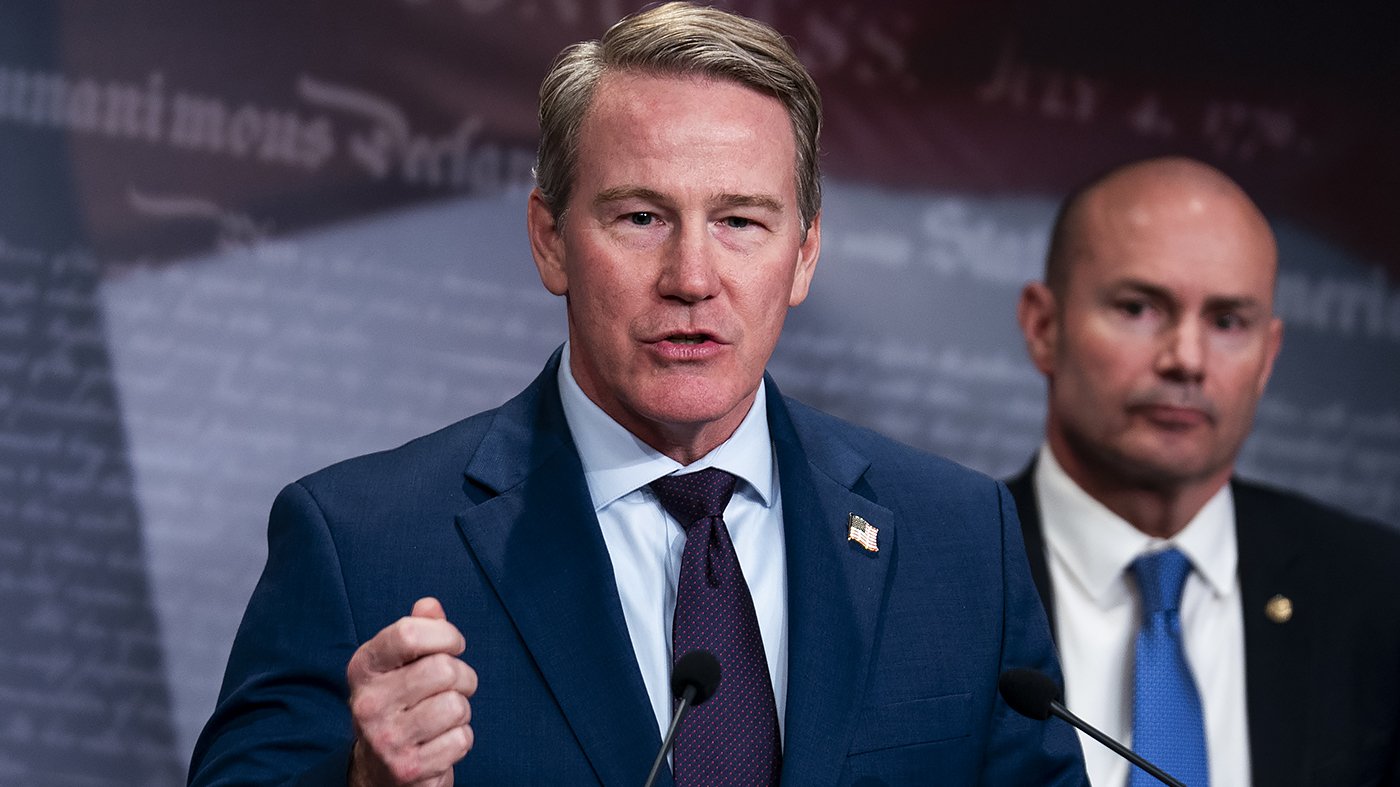
Senator Husted, who previously served as Ohio's secretary of state, crafted his amendment as a direct response to Senate Majority Leader Chuck Schumer's March 15 declaration that "Democrats support voter ID." Schumer had pointed to the inclusion of identification provisions in the Democratic-backed Freedom to Vote Act from 2021 as evidence of his party's position.
"We're going to take them at their word and offer an opportunity to turn those words into action," Husted said before the vote. "The Senate will take a roll call vote on a clean, simple, straightforward amendment of mine to require a photo ID to vote in American elections." His proposal would have accepted various forms of identification including driver's licenses, state IDs, passports, military veterans IDs, and tribal identification cards.
Schumer's Sharp Rebuttal
Schumer responded forcefully on the Senate floor, dismissing Husted's amendment as "a wolf in sheep's clothing" designed to suppress voter participation ahead of critical elections. He argued the measure would compromise ballot secrecy by requiring absentee voters to include photocopies of identification with their ballots.
"The sacred secrecy would be undone by this amendment," Schumer asserted. "Anyone who voted by mail would have to put a voter ID inside the envelope and the board of elections would see how you voted. It would violate basic privacy." He maintained that the broader legislative package under consideration, the SAVE America Act, contained more comprehensive election reforms beyond simple identification requirements.
Political Context and Implications
The vote occurred as Democrats face challenging political headwinds ahead of the midterm elections. Recent polling shows Democrats maintaining a lead in generic congressional ballots, but the party continues to navigate complex policy debates across multiple fronts. This includes simultaneous battles over homeland security funding and healthcare coverage.
Husted's amendment represented a standalone version of a key provision from the broader SAVE America Act, which also includes requirements for documented proof of citizenship during voter registration. By forcing a separate vote, Republicans sought to highlight what they characterize as Democratic inconsistency on election security measures.
The unified Democratic opposition—with no members crossing party lines—contrasts with the party's recent successes in flipping legislative seats in traditionally Republican districts. It also underscores the ongoing national debate over election integrity versus voting access that has intensified since the 2020 presidential election.
Broader Legislative Landscape
Thursday's vote represents another chapter in the protracted congressional battle over election law. While Democrats have promoted their own voting rights legislation containing identification provisions, they have consistently opposed Republican-backed measures they characterize as restrictive. The debate occurs alongside other significant policy discussions, including healthcare coverage protections that remain priorities for the Democratic base.
Husted dismissed Schumer's privacy concerns as a "misrepresentation," arguing his narrowly drafted amendment addressed only identification requirements without affecting ballot secrecy procedures. The exchange highlights the deep partisan divide over election administration that shows no signs of abating as the nation approaches another major election cycle.