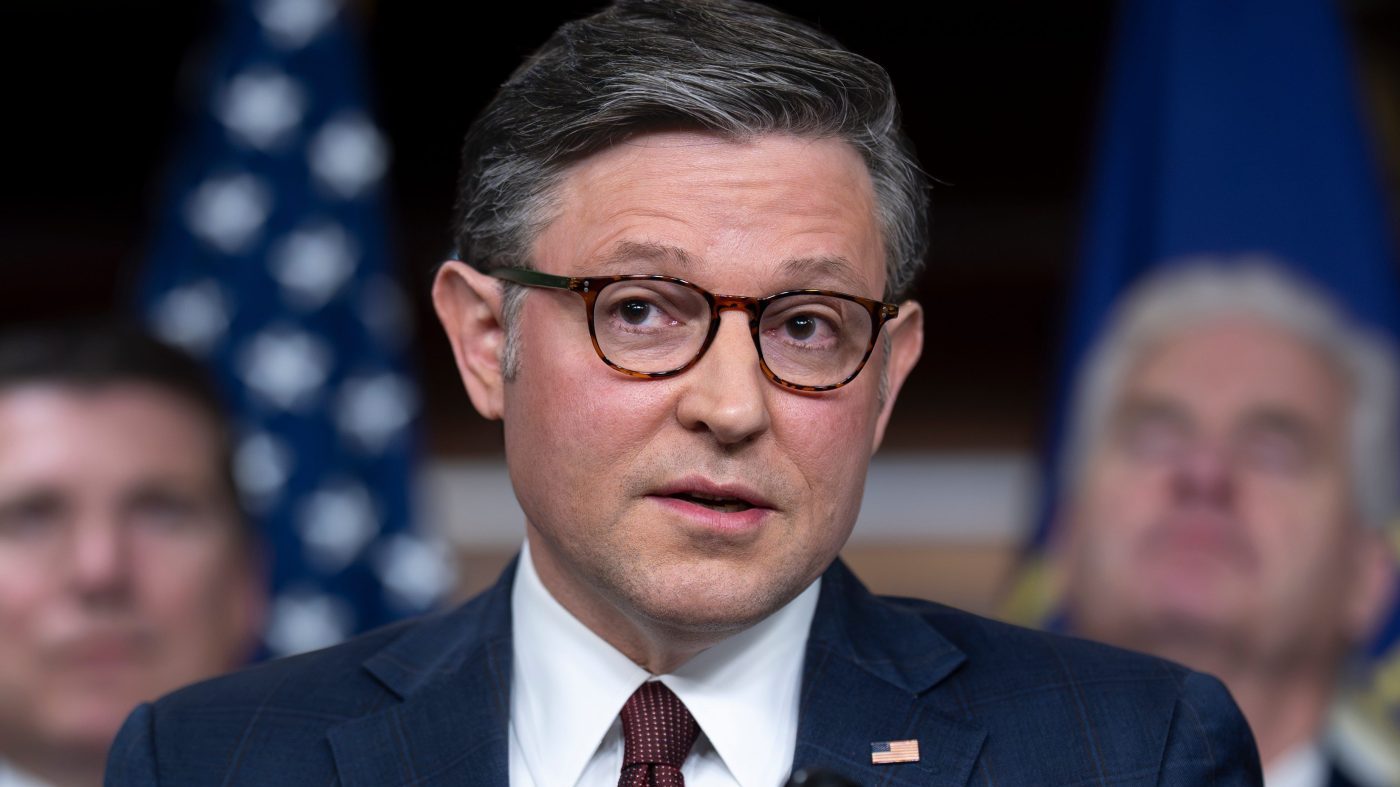
Speaker Mike Johnson is scheduled to address the press Friday afternoon as a political standoff over funding the Department of Homeland Security intensifies. The conference comes hours after the Senate advanced a legislative package to finance most DHS operations, a move that places significant pressure on the House Republican conference.
Senate Action Forces House Decision
In a late-night session, senators approved a deal to provide funding for the majority of the Department of Homeland Security. Notably, the legislation excludes specific allocations for key immigration enforcement agencies, a concession that reflects broader partisan disagreements over border policy. This Senate action effectively transfers responsibility for resolving the funding impasse to the House of Representatives, where Republican leadership now faces a pivotal choice.
Democratic lawmakers are actively urging their Republican counterparts to support the Senate-approved measure. The ongoing partial shutdown of DHS has already begun disrupting federal operations, most visibly causing significant travel delays and complications at airports nationwide as Transportation Security Administration personnel face payroll uncertainties.
House GOP Leadership Advocates Alternative Path
Despite Democratic pressure, Speaker Johnson and other senior House Republicans are reportedly urging their conference to reject the Senate's proposal. During a private conference call with members Friday morning, leadership pitched an alternative plan: an eight-week stopgap funding measure, known as a continuing resolution, that would provide temporary money for the entire department.
This approach would effectively kick the can down the road, avoiding an immediate confrontation over the exclusion of immigration agency funds but prolonging budgetary uncertainty. The strategy highlights deep divisions within the GOP, where hardline conservatives have consistently demanded stricter immigration enforcement provisions as a condition for any DHS funding. The internal GOP dynamics were recently illustrated when the Freedom Caucus blocked a previous funding deal, insisting on measures related to voter identification and Immigration and Customs Enforcement.
Political Stakes and Broader Context
The funding showdown represents more than a routine appropriations battle; it is a proxy fight over the Biden administration's immigration and border security policies. By separating funding for agencies like ICE, the Senate bill creates a clear political fault line. House Democrats have signaled their support for the Senate's framework, viewing it as a necessary step to restore core DHS functions while negotiating separately on contentious immigration issues.
However, the path forward remains fraught. The Senate's move to approve partial DHS funding after broader reform talks collapsed underscores the fragility of bipartisan negotiations on this issue. Speaker Johnson's remarks will be closely scrutinized for signals about whether he believes he can muster the votes for the Senate bill, rally support for the short-term extension, or faces the prospect of a prolonged shutdown.
The press conference, set for 2 p.m. Eastern Time, will be Johnson's first public opportunity to outline the House Republican strategy since the Senate vote. His comments may also address the operational impacts of the shutdown and the political ramifications of the party's next move. The decision carries weight not only for homeland security operations but also for the Speaker's ability to manage his narrow and fractious majority.
This funding clash occurs against a backdrop of other contentious spending debates, including separate discussions over international security assistance. Johnson has previously indicated that funding related to Iran and broader conflict zones would likely be addressed in a partisan reconciliation package, suggesting a strategic separation of domestic and international security funding in the GOP's legislative agenda.