Late-Night Deal Averts TSA Crisis, Leaves Immigration Enforcement in Limbo
In a pre-dawn session on Friday, the Senate reached unanimous agreement to fund several critical components of the Department of Homeland Security, narrowly averting a worsening crisis at airport security checkpoints. The expedited measure provides money for the Transportation Security Administration, the Coast Guard, the Federal Emergency Management Agency, and the Cybersecurity and Infrastructure Security Agency. Notably absent from the package is any funding for Immigration and Customs Enforcement or the Border Patrol, a direct result of collapsed negotiations over Democratic demands for sweeping operational reforms.
Negotiations Break Down Over ICE Reforms
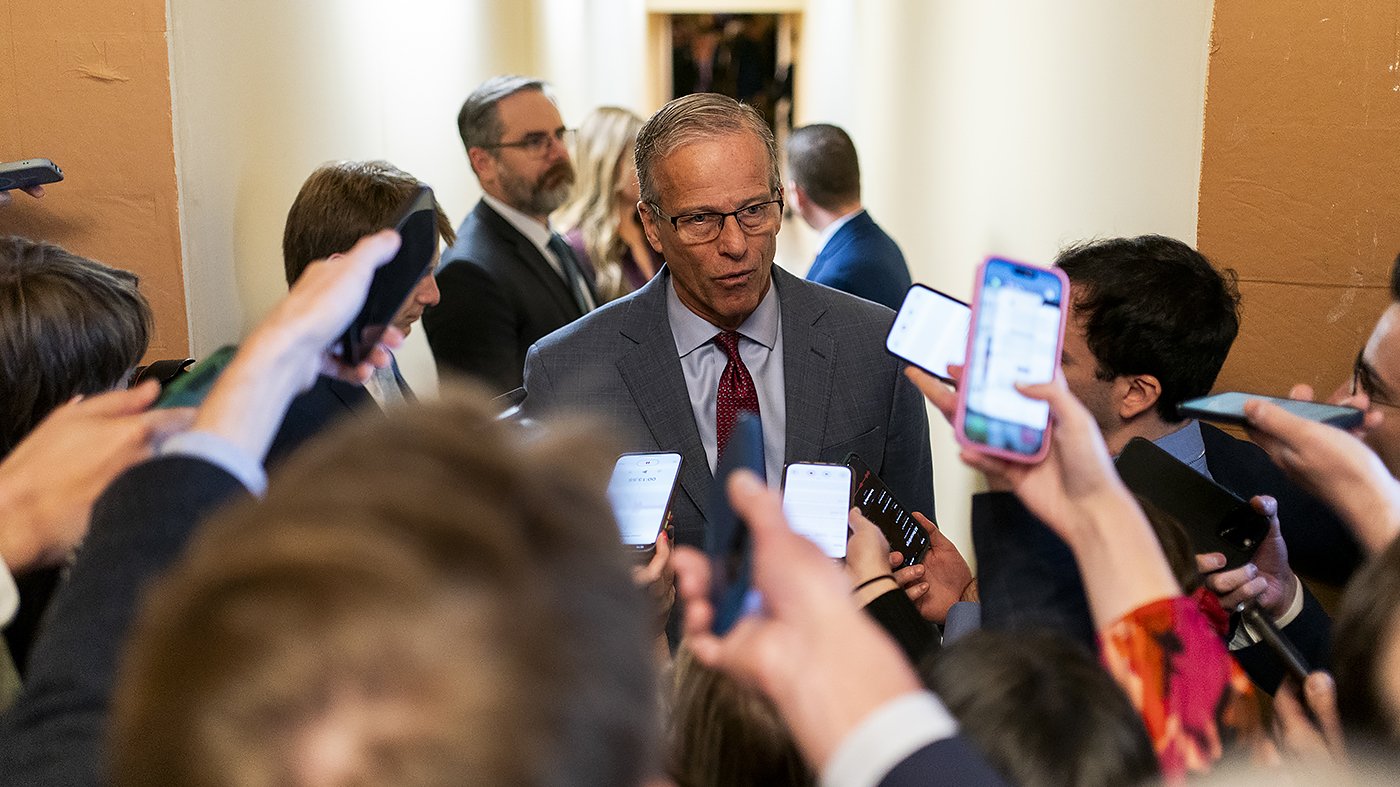
The deal, approved without objection, came together rapidly after months of stalled talks and just before a scheduled two-week congressional recess. It represents a significant strategic pivot by Senate Republicans, who had previously blocked multiple attempts to fund DHS agencies piecemeal, holding out for a comprehensive department-wide bill. Senate Majority Leader John Thune (R-S.D.) acknowledged the shift, stating Republicans had hoped to secure a full funding agreement that included reforms to ICE but found Democrats unwilling to compromise. "We couldn't get any closer on it so you kind of pivot to the next strategy," Thune told reporters, adding it was "unfortunate" and "not good for America."
Democratic Leader Chuck Schumer (D-N.Y.) framed the outcome as a victory, citing his caucus's unified stance. "Democrats held firm in our opposition that Donald Trump's rogue and deadly militia should not get more funding without serious reforms, and we will continue to fight for those reforms," Schumer declared on the Senate floor. The reform demands intensified after federal immigration officers fatally shot two protesters in Minneapolis in January, creating a political impasse that proved insurmountable.
Executive Action and Mounting Pressure Forced Senate's Hand
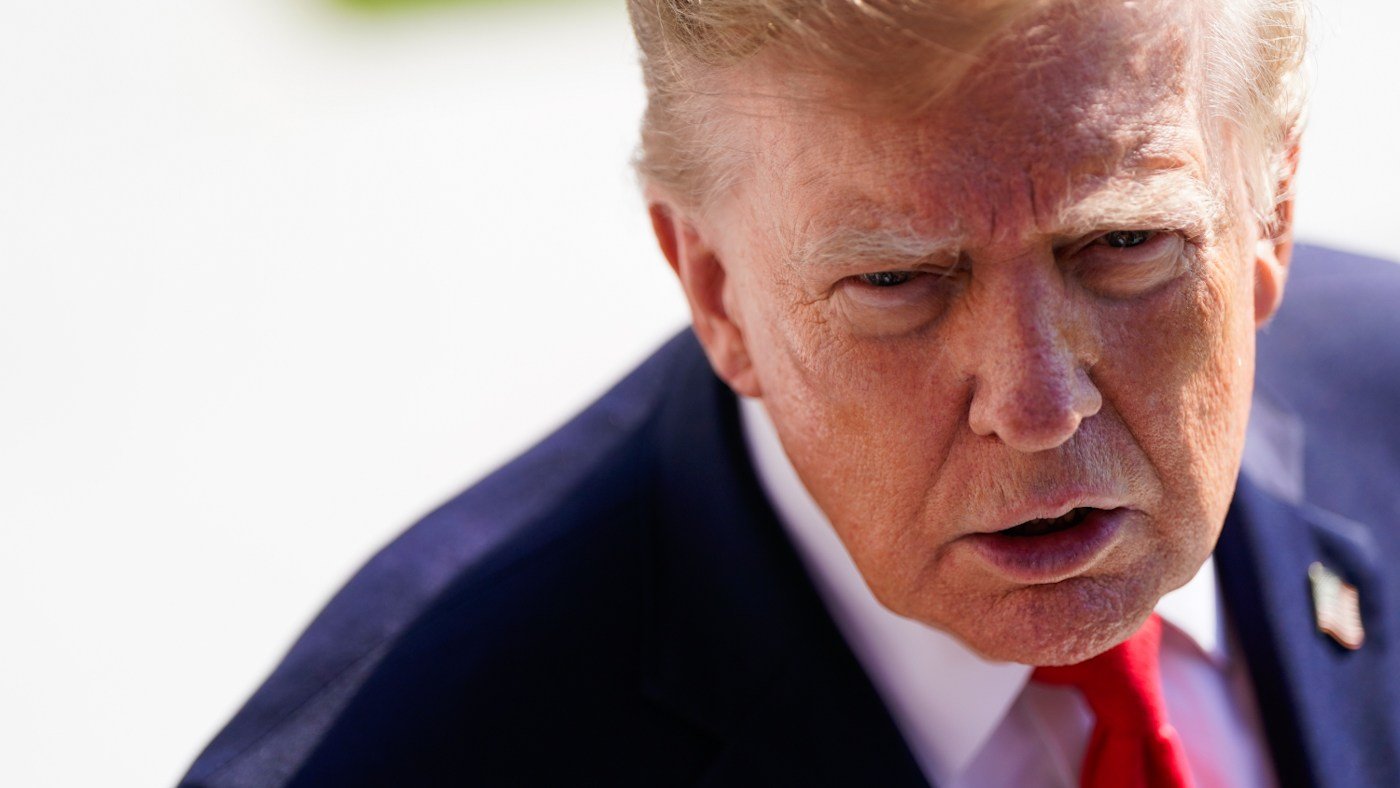
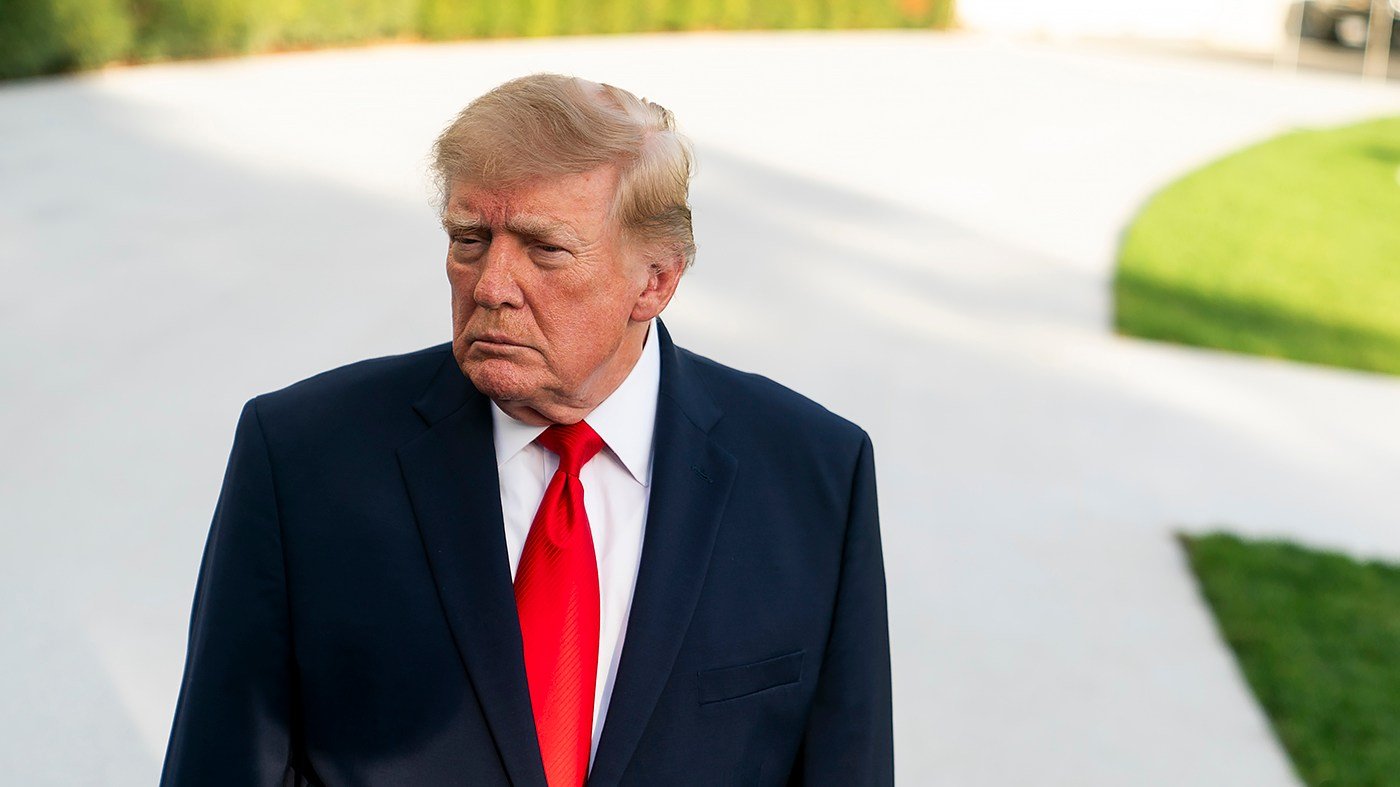
Mounting pressure from hours-long TSA lines at major airports like Atlanta's Hartsfield-Jackson and Houston's George Bush Intercontinental forced the issue. The situation grew so dire that President Trump announced Thursday evening he would use executive authority to ensure TSA workers were paid, accusing "Radical Left Democrats" of holding the country hostage. This move effectively ended the last hopes for a deal on ICE funding. According to Republican senators, the White House was acutely concerned about the potential for a nationwide TSA walkout if workers missed another paycheck.
Senate Appropriations Chair Susan Collins (R-Maine) worked with the White House budget office to identify unused funds to cover TSA payroll for several months. This executive action, coupled with a proposal from Senators John Kennedy (R-La.) and Ted Cruz (R-Texas) to separate ICE funding from the rest of DHS, paved the way for the Senate's late-night maneuver. The final vote capped a tumultuous week where a broader package linking DHS funding to voter ID measures had also been discussed but ultimately abandoned.
The political fallout from the pandemic continues to shape policy debates, much like a recent study revealing significant uncounted U.S. deaths highlighted systemic reporting failures. Similarly, the DHS funding impasse exposed deep fissures in how Congress approaches homeland security and immigration enforcement.
Uncertain Path in the House
The Senate's action now sends the partial funding package to the House, where its fate is uncertain. Speaker Mike Johnson (R-La.) must navigate his narrow majority to pass the bill before the weekend recess begins. President Trump must also sign the legislation for it to become law. Thune expressed cautious optimism about the president's support, noting Trump "understood where we were, where the Democrats were."
The failure to fund ICE and Border Patrol leaves a major segment of the nation's immigration enforcement apparatus in a state of budgetary limbo, ensuring the issue will return to the forefront after the recess. The episode underscores how sharply polarized immigration policy remains, capable of derailing even essential government funding and creating crises that ripple from the border to the nation's busiest airports.