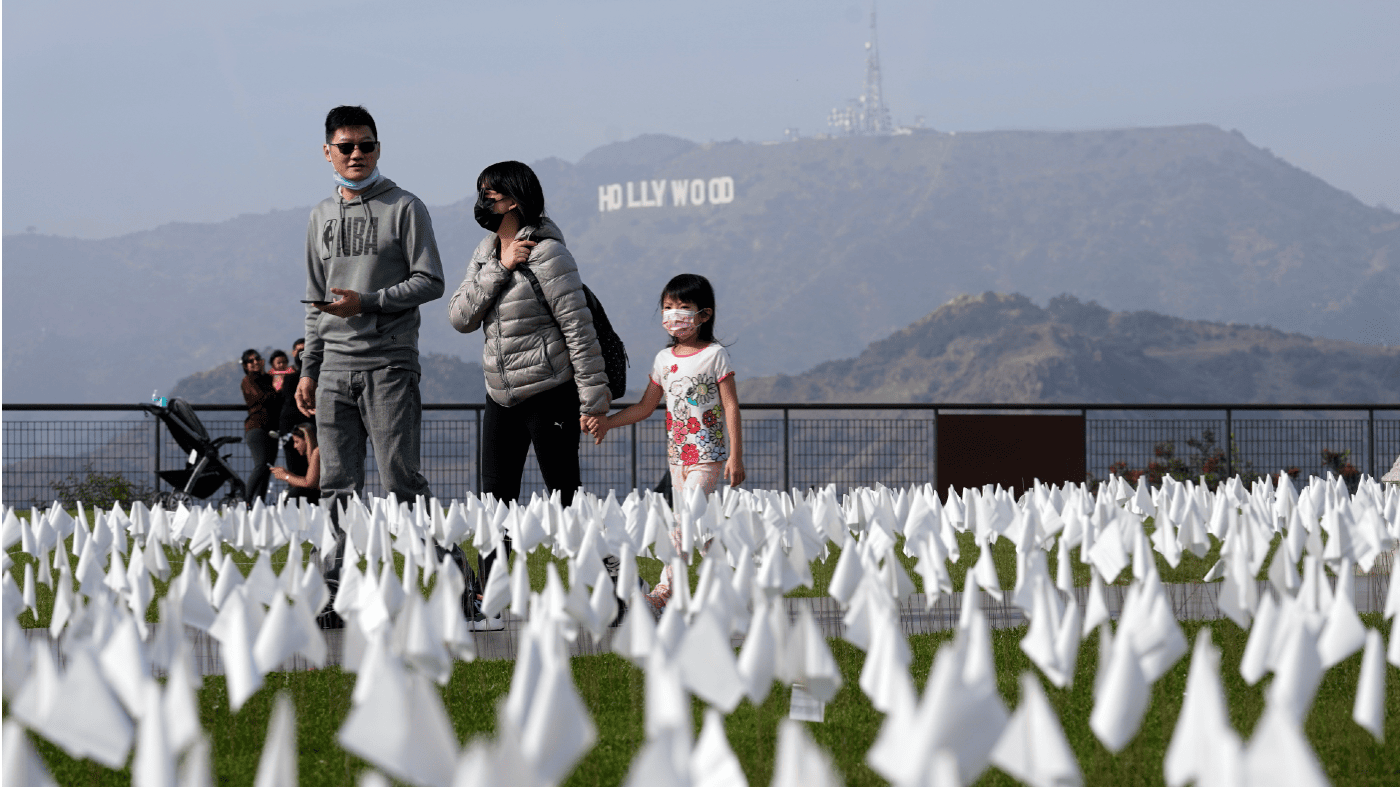
New research reveals the official U.S. death count from the early stages of the COVID-19 pandemic significantly understated the actual human toll, with more than 155,000 fatalities likely going unrecognized. The study, published Wednesday in the journal Science Advances, indicates that between March 2020 and December 2021, approximately 15.6 percent of deaths attributable to the pandemic were not included in official tallies.
Quantifying the Undercount
During the studied period, the official U.S. death toll stood at over 840,000. The researchers' analysis suggests the true figure was closer to 995,000. The Centers for Disease Control and Prevention (CDC) later reported the nation surpassed 1 million COVID-19 deaths in May 2022, a milestone that this new data suggests was reached earlier than officially acknowledged.
The study focused on deaths occurring outside of hospital settings, which proved more difficult to accurately attribute during the crisis. "Death reporting in the United States is a fragmented infrastructure that's underresourced," said Mathew Kiang, an epidemiologist at Stanford University and co-author of the study, in an interview with Scientific American. "During the pandemic, it was highly strained. We had more deaths than we'd ever had" in modern history.
Inequities in the Death Investigation System
The research points to systemic failures that disproportionately affected certain communities. "One prior study found that excess deaths attributed to non–COVID-19 causes were more common in counties with lower socioeconomic status, greater prevalence of preexisting health conditions, and a greater fraction of non-Hispanic Black residents," the authors noted. They added that another analysis found such excess deaths were more common in rural areas, the South, and the West.
"While these studies did not examine unrecognized COVID-19 deaths directly, they suggest that the death investigation system may have performed unevenly during the pandemic," the researchers concluded, highlighting potential geographic and sociodemographic inequities.
Methodology and Broader Impacts
To identify uncounted deaths, researchers employed machine learning algorithms trained on high-quality data from in-hospital fatalities, where testing was nearly universal. "In-hospital deaths, during this period of near-universal testing, provide a pool of high-quality training data for classification of whether a death was due to SARS-CoV-2 infection," explained University of Minnesota associate professor and study co-author Elizabeth Wrigley-Field.
The uncounted deaths encompassed not only direct COVID-19 fatalities but also collateral damage from the overwhelmed healthcare system. This includes individuals with other medical conditions who died because they could not access care and a rise in fatal drug overdoses linked to social isolation. This broader crisis of public health governance and infrastructure failure raises questions similar to those in debates over election administration and ballot counting procedures, where systemic strain can lead to unequal outcomes.
The findings underscore a critical failure in the nation's public health surveillance during a historic crisis. As the country continues to assess the pandemic's legacy, this data adds to a complex picture of governance under pressure, a theme echoed in other domains, from the media's role in scrutinizing power to the challenges of managing overlapping crises like the ongoing fentanyl epidemic. The study serves as a stark reminder that the full cost of the pandemic, measured in lives lost, may never be fully known, but was undoubtedly higher than official records reflect.