The House Freedom Caucus has launched a forceful blockade against a Senate-approved funding package for the Department of Homeland Security, dramatically complicating the legislative path forward and setting up a confrontation with Republican leadership. The group's opposition centers on the bill's exclusion of funding for key immigration enforcement agencies and the absence of a voter identification provision.
Core Conservative Demands
Members of the hardline faction stated they will only support legislation that reinstates funding for U.S. Border Patrol and the division of Immigration and Customs Enforcement (ICE) tasked with combating child sex trafficking. While not insisting on full funding for ICE, they are adamant that these specific operational lines be addressed. Their most significant new demand is the inclusion of a national voter ID measure, a policy priority for the Republican base that faces unified Democratic opposition.
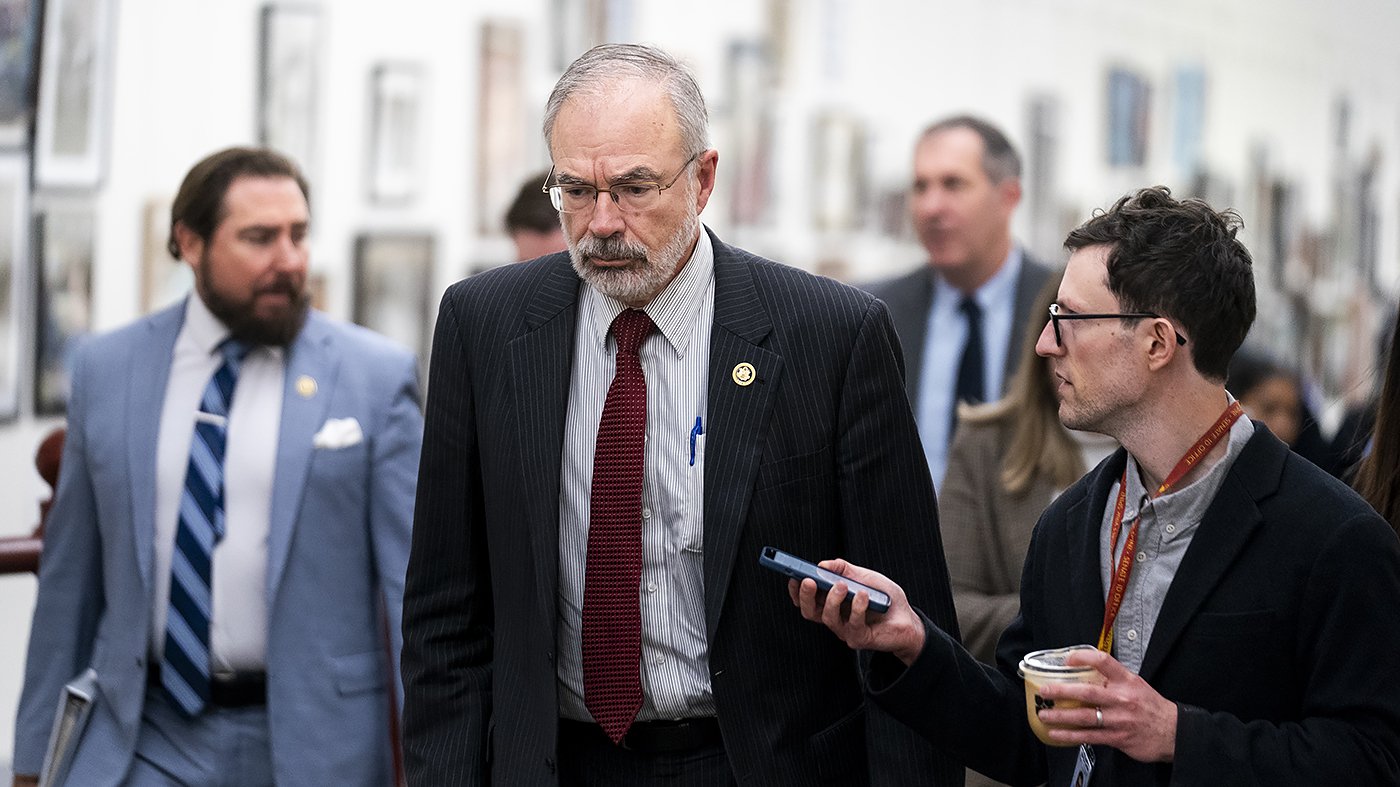
"The Senate abdicated its responsibility by not funding the child sex trafficking division of ICE and by failing to fund Border Patrol," said Freedom Caucus Chairman Andy Harris (R-Md.) in a statement to reporters. "The only thing we're going to support is adding that funding into the bill, adding voter ID, sending it back to the Senate... This deal is bad for America."
Procedural Roadblocks Emerge
The Senate passed the DHS funding legislation in the early hours of Friday morning, but its journey through the House has hit an immediate wall. To move the bill quickly, Speaker Mike Johnson (R-La.) would typically use a fast-track process requiring unanimous consent. The Freedom Caucus has explicitly stated it will block any such request, shutting down the simplest route to a floor vote before the weekend.
This obstruction forces leadership to consider more complex alternatives. One option involves the House Rules Committee granting the bill same-day authority, a maneuver that would then require a two-thirds supermajority vote on the floor. It remains uncertain whether Democratic members would supply the necessary votes to reach that threshold, given the bill's current form. This standoff echoes recent internal GOP tensions, similar to when the Problem Solvers Caucus faced opposition from both party flanks for its own DHS funding proposal.
Meeting with Leadership Yields No Shift
Following their public remarks, Freedom Caucus members met privately with Speaker Johnson on Friday morning. Emerging from the discussion, Rep. Chip Roy (R-Texas) indicated the talks were constructive but produced no change in the group's firm stance. "We'll see what happens, but we're not going to move the Senate bill today," Roy stated, leaving the legislative timeline in doubt.
The impasse throws the Homeland Security funding process into disarray and highlights the ongoing power of the conservative flank to dictate terms to House GOP leadership. The conflict over immigration enforcement funding occurs amid broader debates on security and foreign policy, including shifting generational views on military action in other geopolitical arenas.
With the clock ticking, Speaker Johnson must now navigate between the demands of his party's right wing and the practical realities of passing must-fund legislation in a narrowly divided chamber. The outcome will serve as a critical test of his ability to manage internal factions and avert a partial agency shutdown.