President Donald Trump declared his opposition on Friday to a Senate-approved funding measure for the Department of Homeland Security, arguing the legislation is inadequate because it excludes funding for the nation's primary immigration enforcement agencies. The move deepens a political impasse as a partial government shutdown affecting DHS entered its 42nd day.
Core Objection: Exclusion of Border Agencies
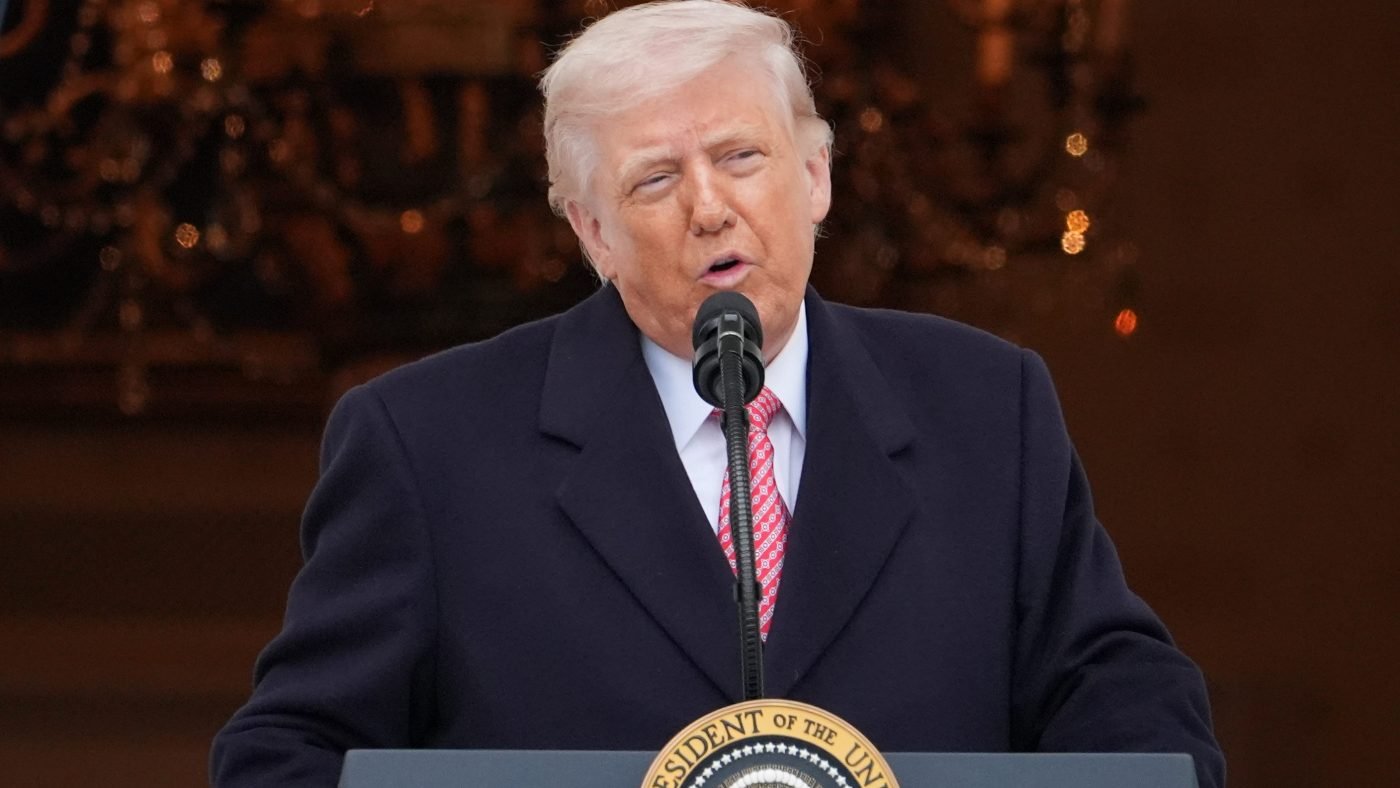
In a phone interview with Fox News, Trump stated the bill "wasn't appropriate" and specifically criticized its lack of appropriations for Immigration and Customs Enforcement (ICE) and Customs and Border Protection (CBP). "You can't have a bill that's not going to fund ICE. You can't have a bill that's not going to fund any form of law enforcement," the President said. He framed the dispute as a fundamental disagreement over border policy, asserting, "This whole thing is about the Democrats wanting to have open borders, no ICE, no Border Patrol."
The Senate bill, passed in the early hours of Friday morning, was designed to end the shutdown for DHS. It funded most departmental operations, including the Transportation Security Administration (TSA), but deliberately omitted funding for ICE and CBP—a concession to Democratic negotiators. The House swiftly rejected the Senate measure, with Speaker Mike Johnson dismissing it as a "joke" and questioning whether every Senate Republican had fully reviewed its language.
Leadership Dynamics and Legislative Deadlock
Despite his criticism, Trump later expressed some understanding of the challenging positions held by congressional leaders. Speaking to reporters en route to Miami, he said, "I understand [Senate Majority Leader] John Thune, and I understand [Speaker] Mike Johnson.... They want to be sure that people aren't coming into our country like they have for the last four years." This comment highlighted the internal GOP tensions between Senate pragmatists seeking to end the shutdown and House conservatives demanding full funding for border security.
The legislative path forward remains blocked. Johnson rejected the Senate's bill outright, calling it "unconscionable" that Democrats would force negotiations in the early morning hours. He pledged to hold a vote on the House's alternative continuing resolution "as soon as possible." However, the timeline is complicated by an impending two-week congressional recess for Easter and Passover, with many lawmakers having already departed Washington. This deadlock follows Senate Democratic Leader Chuck Schumer's rejection of the House GOP's earlier stopgap proposal, creating a perfect storm of inaction.
Executive Action on TSA Pay
Amid the funding lapse, Trump took unilateral action to address one visible consequence of the shutdown. He directed DHS to pay TSA workers, invoking emergency powers in a memo that stated, "These circumstances constitute an emergency situation compromising the Nation's security." A department spokesperson confirmed that TSA employees would begin receiving paychecks as early as Monday as a result of this order. This move, detailed in our report on Trump's use of emergency powers for TSA pay, temporarily alleviates pressure but does not resolve the underlying funding dispute.
The President's stance aligns him squarely with House conservatives who have made full DHS funding a non-negotiable priority. This alignment was evident when Senator Rick Scott aligned with House conservatives in rejecting the Senate deal over ICE funding. Their position leaves congressional Republicans divided, with the Senate bill representing a bipartisan compromise that now lacks support from both the White House and the House majority.
Broader Political Context
The funding fight occurs against a backdrop of intense political maneuvering on border security, a central theme of Trump's presidency and his expected reelection campaign. The President's rejection of the Senate bill signals a hardline approach, prioritizing the full budgetary demands of border agencies over ending a disruptive government shutdown. This strategy carries political risk, as the ongoing impasse highlights governance challenges and draws public attention to the mechanics of congressional appropriations.
As the standoff continues, the focus shifts to whether GOP leadership can bridge the gap between the Senate's passed bill and the House's demands before the recess further delays a solution. With Trump firmly opposed to the current Senate legislation and House leaders digging in, the prospects for a quick resolution appear dim, ensuring that Homeland Security funding will remain a contentious and unresolved issue in the weeks ahead.