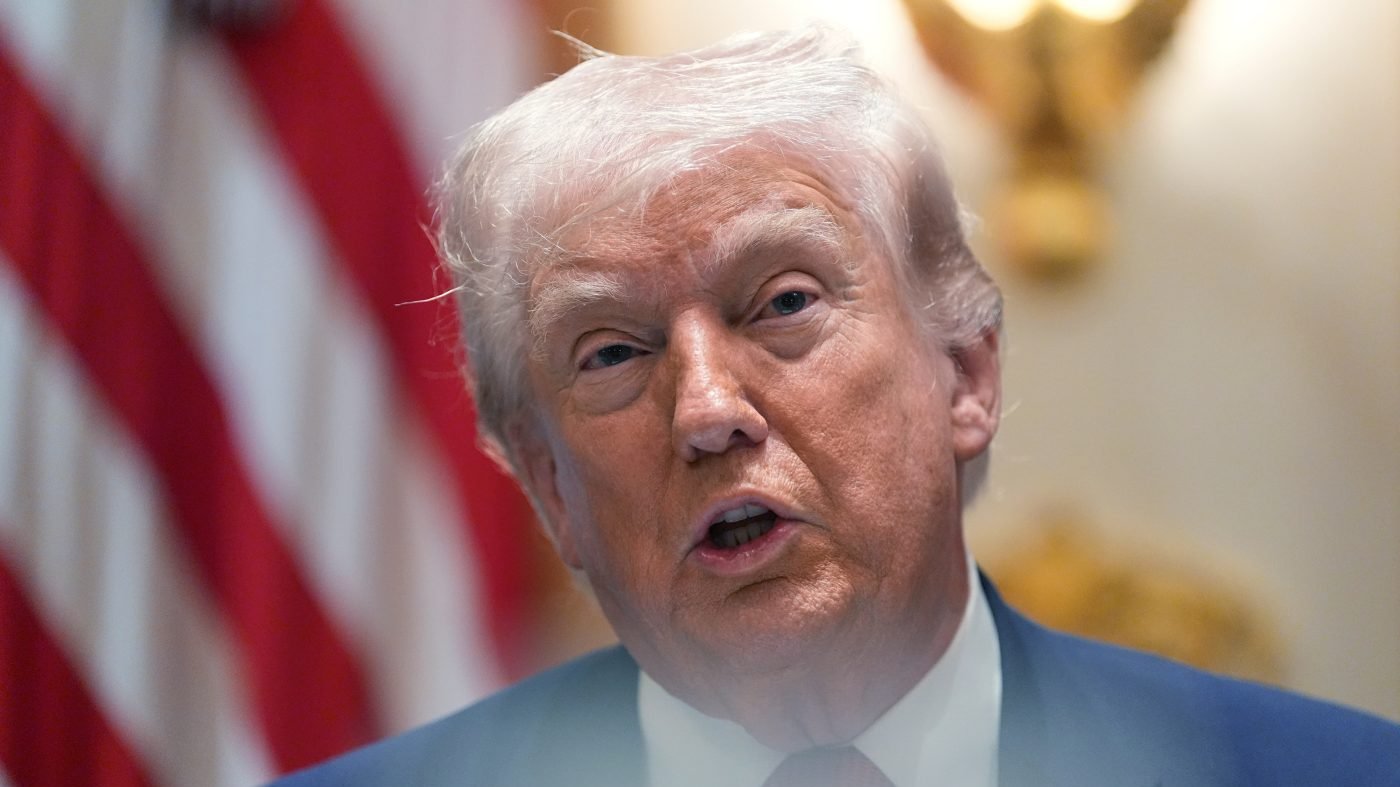
President Donald Trump has invoked emergency authority to mandate that Transportation Security Administration employees receive their salaries despite the ongoing lapse in federal appropriations. In a presidential memorandum issued Friday, Trump directed the Department of Homeland Security to process payments for TSA personnel, framing the decision as a necessary measure to protect national security.
The move comes as congressional negotiations over agency funding remain deadlocked, leaving hundreds of thousands of federal workers in financial limbo. The TSA, which falls under DHS, employs approximately 60,000 individuals responsible for screening passengers and baggage at airports nationwide.
Emergency Declaration
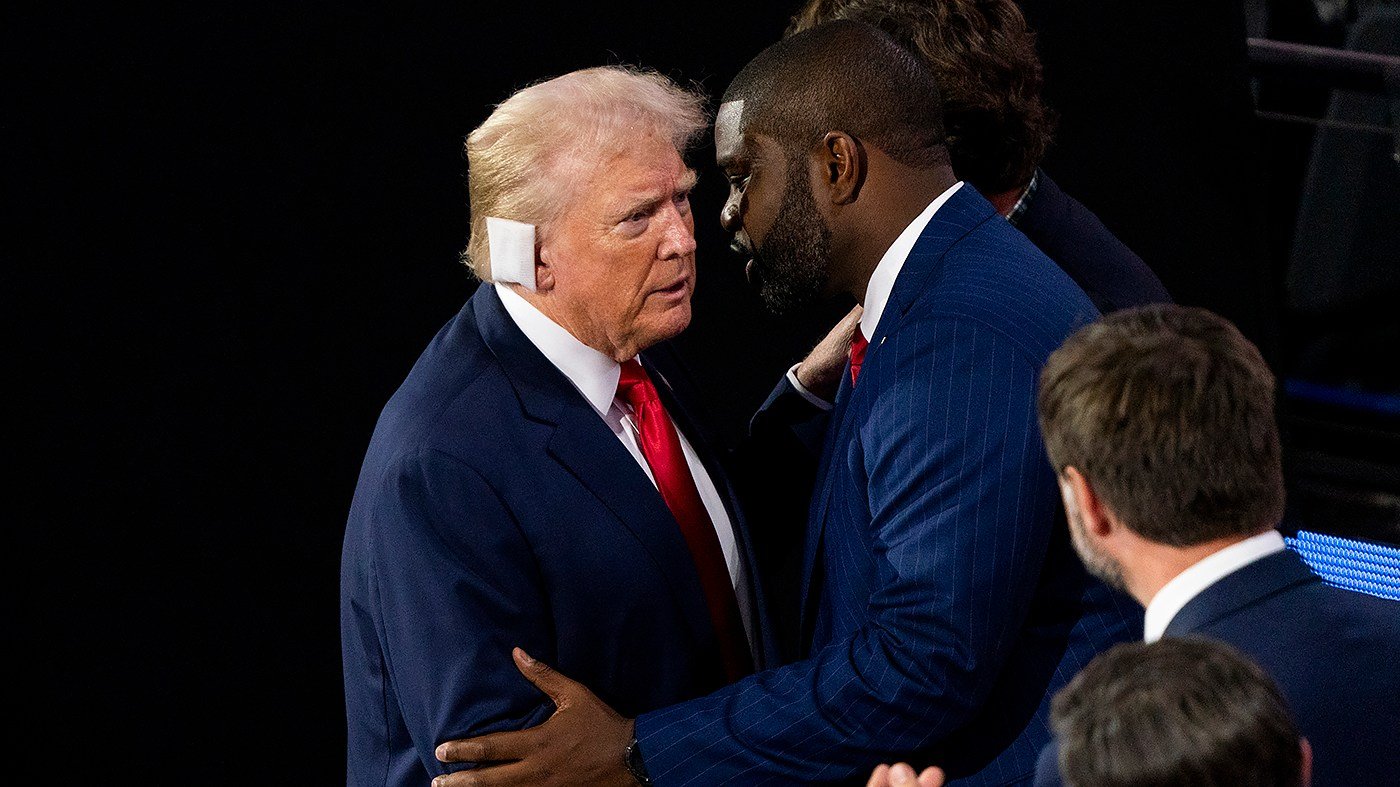
In the memorandum, Trump stated he had determined the circumstances constitute "an emergency situation compromising the Nation's security." This legal justification allows the administration to circumvent normal appropriations procedures that would otherwise prevent payment during a shutdown.
The decision represents a significant escalation in the administration's response to the funding impasse. While some federal agencies have maintained partial operations using carryover funds or fees, the TSA's situation had grown increasingly precarious as the shutdown extended into its third week.
Implementation Timeline
According to a source familiar with the administration's planning, officials are working to expedite payments to TSA employees. "Now that this has been signed, the administration is working to effectuate this as fast as possible," the individual told The World Signal. "We have directed payroll providers to process paychecks as expeditiously as possible."
The directive raises questions about the legal and budgetary mechanisms being employed. Typically, during a government shutdown, agencies cannot disburse funds for non-essential personnel without specific congressional authorization. The administration's emergency declaration appears to create an exception to this rule for what it deems critical security personnel.
Broader Political Context
This action follows a pattern of the Trump administration using executive authority to address political challenges. Recently, the president has taken similar unilateral approaches in other policy areas, including mandating specific ethanol blending requirements to appeal to agricultural constituencies and announcing farm sector relief measures amid economic pressures.
The TSA payment directive also comes as the administration faces scrutiny over its broader national security strategy. Critics, including some in Congress, have questioned the coherence of the White House's approach to complex international challenges. Representative Jason Crow recently criticized what he called the administration's vague Iran strategy, warning it could lead to unintended escalation.
Operational Implications
Airport security operations had shown signs of strain as the shutdown continued. While TSA employees were required to report to work without pay—deemed essential personnel—absentee rates had begun climbing at some airports as financial pressures mounted on screeners and other staff.
The administration's move to ensure payment may help stabilize airport operations, but it does not resolve the underlying funding dispute that triggered the shutdown. Congressional leaders from both parties remain at odds over border security funding and other policy priorities that have stalled broader appropriations legislation.
This development represents one of the most direct interventions by Trump into the shutdown's operational consequences. It follows other administration actions that have drawn attention for their unconventional approach to governance, including efforts to communicate directly with supporters through official mobile applications rather than traditional media channels.
The emergency payment authorization for TSA employees highlights the growing pressure on the administration to mitigate the shutdown's impacts even as it maintains its policy positions. With no immediate resolution in sight from Capitol Hill, such executive actions may become more frequent as the political and operational consequences of the funding lapse continue to accumulate.