The Trump administration moved decisively on Friday to shore up its rural political base, finalizing a sweeping package of regulatory relief and market support for American farmers grappling with rising costs. The centerpiece of the announcement is a mandate for record-high volumes of biofuels like ethanol to be blended into the nation's gasoline supply for 2026 and 2027, a policy the Environmental Protection Agency described as the most aggressive in the program's history.
The rollout, framed as a response to supply chain disruptions and inflation exacerbated by the ongoing war in Iran, included multiple executive actions. Alongside the biofuel boost, the administration is easing pollution monitoring requirements for agricultural equipment and offering new federal loan guarantees for small businesses in the food production and logistics sectors.

A Direct Appeal to a Core Constituency
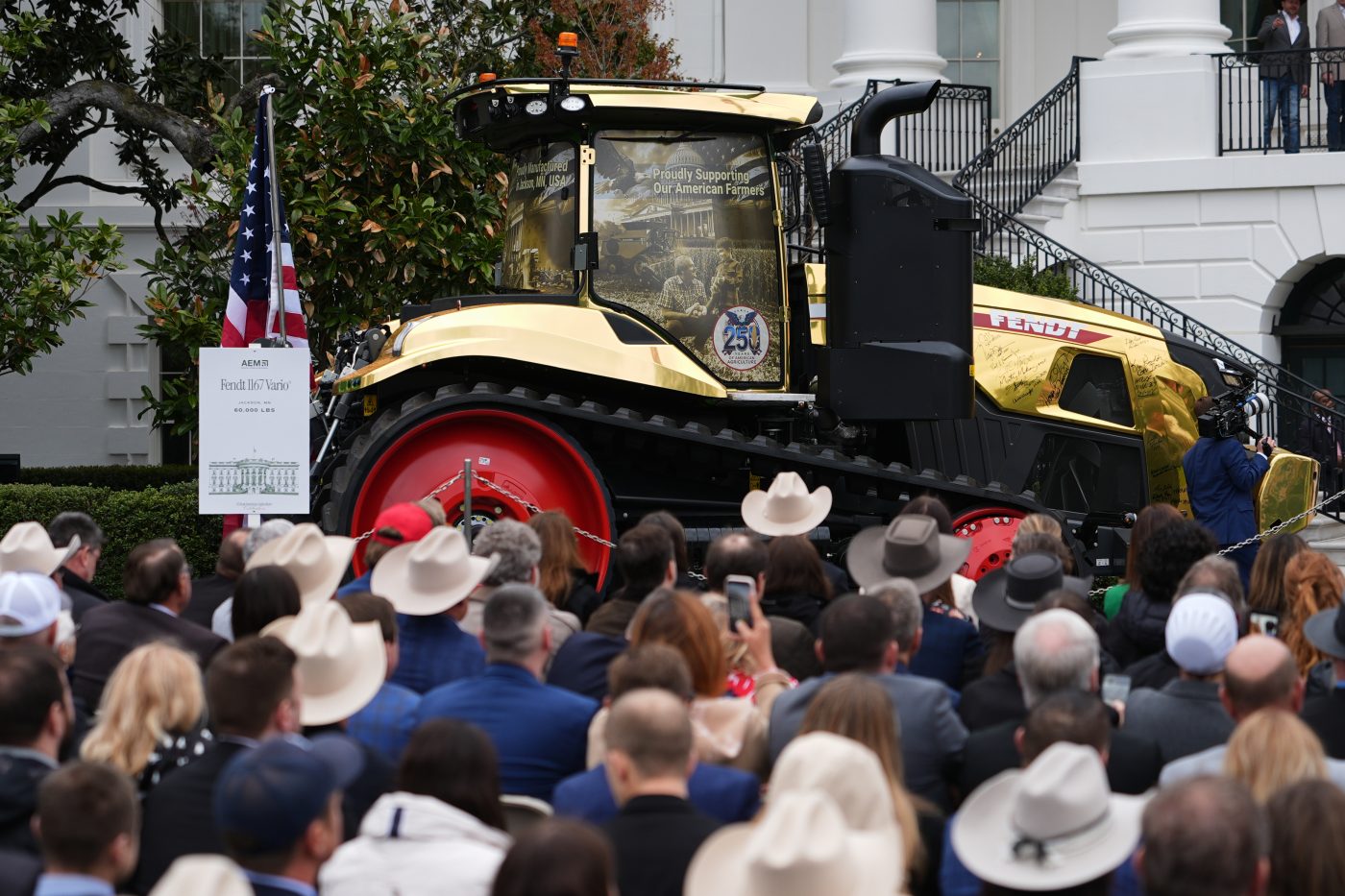
President Trump unveiled the measures at a South Lawn event he touted as "the single largest gathering of American farmers the White House has ever seen," which featured a gold tractor as a backdrop. His remarks were a direct political appeal. "You voted for me. I'll never forget that," Trump told the crowd, later adding, "You want that fair shot and a level playing field, and I'm giving that to you, and I think I'm actually giving you much better than a level playing field."
The move comes as the administration faces mounting political pressure over energy costs and overall affordability. The conflict has effectively closed the Strait of Hormuz, spiking prices for fuel and fertilizer critical to farming operations. Even before the war, food prices were rising faster than overall inflation, climbing 3.1 percent over the past year compared to a 2.4 percent annual inflation rate.
Regulatory Rollbacks and Legislative Pressure
A significant component of the package involves stripping environmental regulations from farm machinery. The administration claims that easing EPA rules on pollution sensors for tractors and trucks will save the sector $14 billion. "We're cutting out massive amounts of nonsense that are mandated to be put on your tractors, and all of your trucks that cost you a fortune," Trump said, dismissing environmental reviews as "garbage." He argued the change would allow manufacturers to produce "a bigger, better tractor at substantially less money."
Trump also intensified pressure on Congress to permanently remove restrictions on the summer sale of gasoline with higher ethanol blends, known as E15. While some Corn Belt lawmakers attempted to address the issue earlier this year, efforts stalled. Trump said he was "trusting" Speaker Mike Johnson (R-La.) and Senate Majority Leader John Thune (R-S.D.) to broker a compromise that satisfies farmers, consumers, and oil refiners—a nod to the regional GOP divide between corn and oil interests.
The administration simultaneously scrapped a Biden-era initiative that created credits for biofuels used in electric vehicles, refocusing the program squarely on liquid transportation fuels. The new Small Business Administration loan guarantees will be available to producers of grains, livestock, fruits, and vegetables, as well as to trucking and equipment firms and grocery wholesalers.
This farm-sector offensive follows a pattern of the administration using direct channels to rally support, similar to its deployment of an official mobile app to engage its base directly. The policy bundle represents a calculated effort to deliver tangible economic benefits to a loyal constituency while challenging Congress to act on a contentious energy issue, all against the backdrop of a foreign conflict reshaping the domestic economic landscape.