The Federal Reserve held its benchmark interest rate steady last week, a widely anticipated decision that belies a significant policy recalibration underway. While the official median projection still points to one rate cut later this year, the escalating conflict with Iran and its impact on global energy markets is injecting profound uncertainty into the central bank's calculus.
Chair Jerome Powell struck a notably cautious tone, emphasizing that progress on inflation must be evident before any easing occurs. "If you don't see progress, you won't see rate cuts," he stated bluntly at the post-meeting press conference. This hawkish stance reverberated through financial markets, sending Treasury yields sharply higher. The yield on the 10-year note hit an eight-month peak, while the two-year yield jumped half a percentage point since hostilities began—a move some analysts suggest influenced President Trump's decision to delay military strikes on Iranian power infrastructure.

A Departure from Past Oil Shock Playbooks
The Fed's current posture marks a distinct evolution from its historical response to energy crises. During the oil shocks of the 1970s, supply disruptions fueled stagflation, prompting aggressive rate hikes that triggered severe recessions. By the time of Iraq's 1990 invasion of Kuwait, the Fed's approach had shifted to "looking through" temporary price spikes, even cutting rates to counter an economic slowdown.
This flexibility was partly due to decreased U.S. reliance on imported oil following deregulation in the 1980s. Today, the nation's position as a net energy exporter and the world's top oil producer provides an even greater buffer. However, officials now confront a different dilemma: a series of persistent supply shocks over six years have kept inflation stubbornly above the Fed's 2% target, threatening its hard-won credibility as an inflation fighter.
Internal Debate and a Historic Disruption
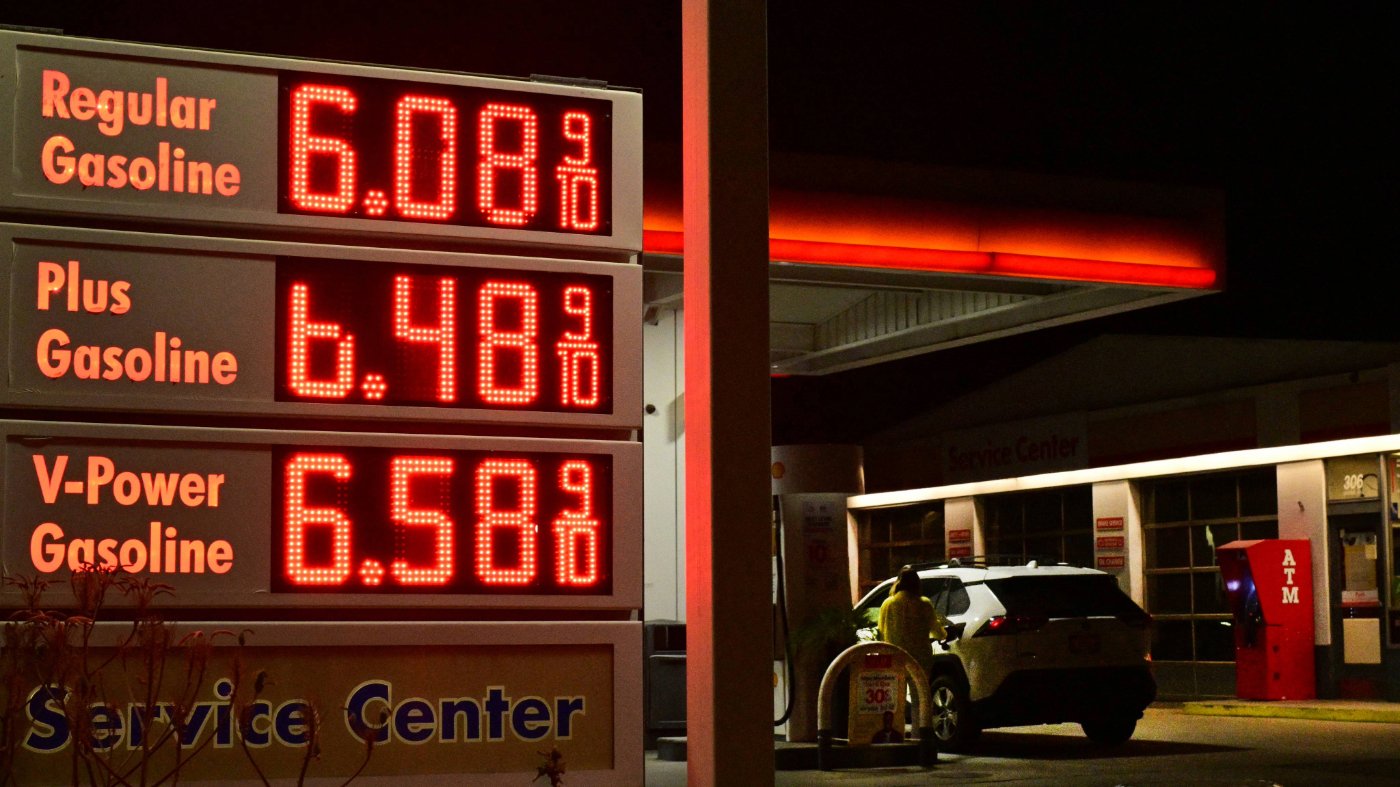
Evidence of a shifting internal consensus is emerging. Governor Christopher Waller, who previously favored easing, voted to hold rates steady in March. He acknowledged the conflict appears "much more protracted" and that elevated oil prices will likely persist. His concern is underscored by data from the International Energy Agency, which warns the disruption stemming from the Strait of Hormuz—a conduit for 20% of global oil and gas—is the largest in history. The fallout is already being felt by consumers, with U.S. gasoline prices surging and diesel fuel breaching $5 per gallon, which will ripple through the economy via higher transportation costs.
Chicago Fed President Austan Goolsbee added to the hawkish chorus this week, suggesting the central bank might need to tighten policy if rising energy costs boost inflation further. The core personal consumption expenditure price index, the Fed's preferred gauge, remains near 3%, and the OECD has revised its 2024 U.S. inflation forecast upward to 4.2% due to energy prices.
Political Pressure and a Pivotal Nomination
Amid this fraught economic landscape, political pressure continues. President Trump has repeatedly criticized the Fed for not cutting rates more aggressively, pinning his hopes on his nominee for chair, Kevin Warsh. Warsh has publicly argued for lower rates, contending that artificial intelligence will act as a disinflationary force, a view he articulated in a Wall Street Journal op-ed last November.
Should the Iranian conflict remain unresolved during his Senate confirmation hearings, Warsh will undoubtedly face intense questioning on whether the ongoing crisis has altered his stance. If confirmed, he would need to build consensus on a committee currently split on the path forward, with markets now pricing nearly equal odds of the next move being a hike or a cut.
The Fed's current hesitation underscores a central tension: balancing support for a softening labor market against the risk of unanchoring inflation expectations in a world of persistent geopolitical shocks. The outcome of this debate will define monetary policy long after the immediate crisis abates.