President Trump's chances of avoiding a voter backlash in the midterm elections over the economy now depend on whether a shaky U.S. labor market can endure the escalating conflict with Iran. The April jobs report, released Friday, surprised analysts with 115,000 new jobs added and unemployment steady at 4.3 percent. But beneath the surface, the data reveals a workforce strained by Trump's immigration crackdown and trade policies.
After more than a year of steep cuts to immigration and volatile tariffs, the labor market is adjusting to a smaller, more uncertain economy. Joe Brusuelas, chief economist at RSM, described the current state as a "low-hire, low-fire labor market," where fewer workers are entering the job pool, keeping unemployment from rising sharply. Job growth has slowed dramatically since Trump took office, but the unemployment rate has only edged up from 4 percent in January 2025. The administration's deportation policies have reduced the workforce by roughly 600,000 people, masking deeper weaknesses.
For Trump and Republicans, a stronger job market could provide a political lifeline. They face immense pressure from voters to deliver on Trump's 2024 campaign promise of lower prices. However, the war in Iran threatens to unravel this fragile balance. Surging gasoline and energy prices are forcing consumers to cut spending elsewhere, and economists warn that household budgets may soon buckle under the strain.
Kathryn Anne Edwards, an economist and co-founder of Optimist Economy, cautioned that the labor market is "in no position to absorb workers right now." She added, "Were that to change, this would look like a bad recession." The April jobs report likely did not capture the full impact of rising energy costs, said Guy Berger, chief economist at Homebase, who called the data "a signal of what could have been." He expressed growing concern about looming threats from the Iran conflict.
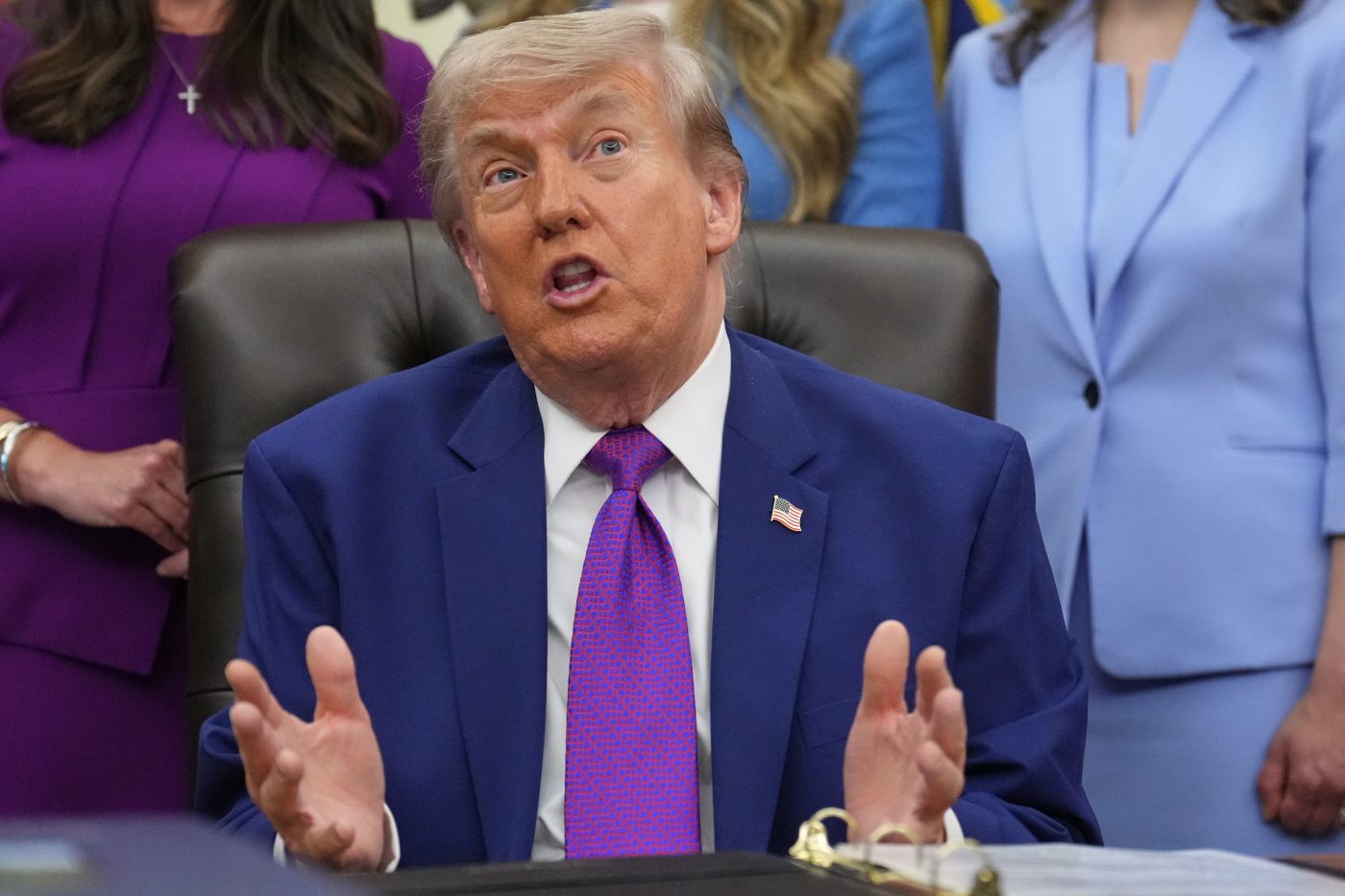
Trump and his team have publicly expressed confidence while scrambling for solutions. In a Sunday social media post, Trump attacked Federal Reserve Chair Jerome Powell and economists who predicted weaker job growth, boasting that "more Americans are working today than ever before." The next day, Trump endorsed suspending the federal gas tax to stabilize oil markets and eased import restrictions on foreign beef to curb rising food costs. These moves come as his economic approval ratings tank. Only 38 percent of registered voters approve of his handling of the economy, per a recent Economist/YouGov poll, while 69 percent disapprove of his actions on inflation.
The Iran war has driven gas prices to an average of $4.52 per gallon, up from $3.14 a year ago, and pushed the annual inflation rate to 3.3 percent. Trump's Iran victory claim rings hollow as the GOP faces midterm backlash, with the president now warning that the U.S. ceasefire with Iran is "on massive life support." Stocks fell and oil prices rose again on Monday after that statement. Midterm elections historically punish the incumbent party, and Democrats need to flip just eight House districts to regain control. The rising economic discontent could make that task easier, while the Senate remains a tougher climb for Democrats.
For now, all eyes remain on the labor market and the war in Iran. As Berger put it, "If we didn't have all this other stuff going on, then I would tell you, I feel really good about the rest of the year. I think there are things looming that make me more worried."