The Trump administration has unveiled a proposed rule that would make it easier for businesses to provide fertility treatment benefits to employees, sidestepping certain Affordable Care Act mandates. The Department of Labor released the measure on Sunday, which would classify infertility treatments as a new type of exempted benefit—alongside dental and vision coverage.
Exempted benefits are not subject to the ACA's essential health benefits requirements or other federal healthcare coverage rules. The proposal does not mandate that companies offer such coverage; instead, it permits them to add it voluntarily. The aim is to broaden access to costly procedures like in-vitro fertilization (IVF), though recipients would still face some out-of-pocket expenses.

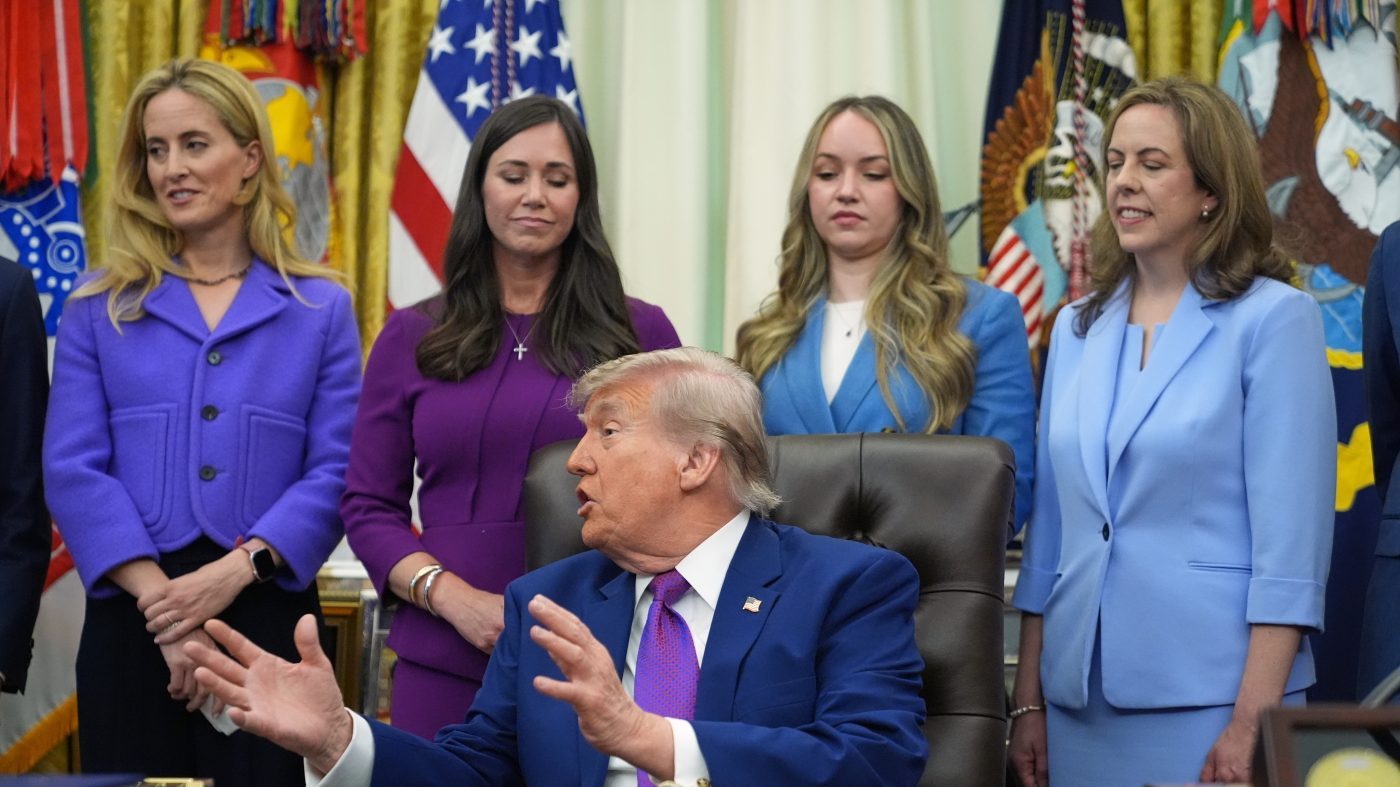
President Trump highlighted the policy during a maternal health event in the Oval Office on Monday. “This will hopefully reduce the number of couples who need to resort to IVF, because challenges can be identified and addressed early in the process,” he said.
Fertility treatments can run into tens of thousands of dollars, and most workers of reproductive age get health insurance through their jobs, but robust fertility coverage remains rare, according to the Department of Labor. Under the rule, employer-sponsored fertility benefits would carry a lifetime cap of $120,000 and require clear disclosure of coverage terms, mirroring conditions for other limited excepted benefits.
The benefits must cover diagnosis, mitigation, or treatment of infertility or related reproductive health conditions. Mehmet Oz, administrator for the Centers for Medicare and Medicaid Services, criticized private companies for “taking advantage” of available treatments. “As services get better, we make them more affordable, we’ll have more Trump babies,” Oz said on Monday.
The rule builds on an executive order Trump signed in February, which directed agencies to recommend ways to lower fertility treatment costs. Health and Human Services Secretary Robert F. Kennedy Jr. framed the move as a response to demographic trends. “The decline in birth rates is a serious challenge for our nation,” he said in a statement. “Under President Trump’s leadership, this rule expands access to fertility care and gives more Americans a real path to starting and growing their families.”
The American Society of Reproductive Medicine (ASRM) expressed cautious support. Sean Tipton, the group’s chief advocacy and policy officer, said in a statement that the proposal is “encouraged” but noted it falls short of fully addressing affordability. “The latest proposed step, allowing employers to voluntarily provide coverage as an ‘excepted benefit,’ may indeed increase access, but will not yet fulfill that promise,” Tipton said. He stressed that the rule is still a draft open for public comment and urged citizens to weigh in.
The proposal arrives amid broader debates over healthcare costs and family policy. Critics argue that exempting fertility benefits from ACA protections could leave gaps in coverage, while supporters see it as a flexible tool for employers to help workers facing infertility. The rule is now subject to a comment period before finalization.
As the administration pushes this initiative, other policy moves continue to draw attention. For instance, the California voter ID referendum offers GOP a rare statewide opening, and the soaring national debt threatens fiscal sanity, states offer blueprint for restraint. These stories underscore the political landscape in which the fertility rule is being advanced.