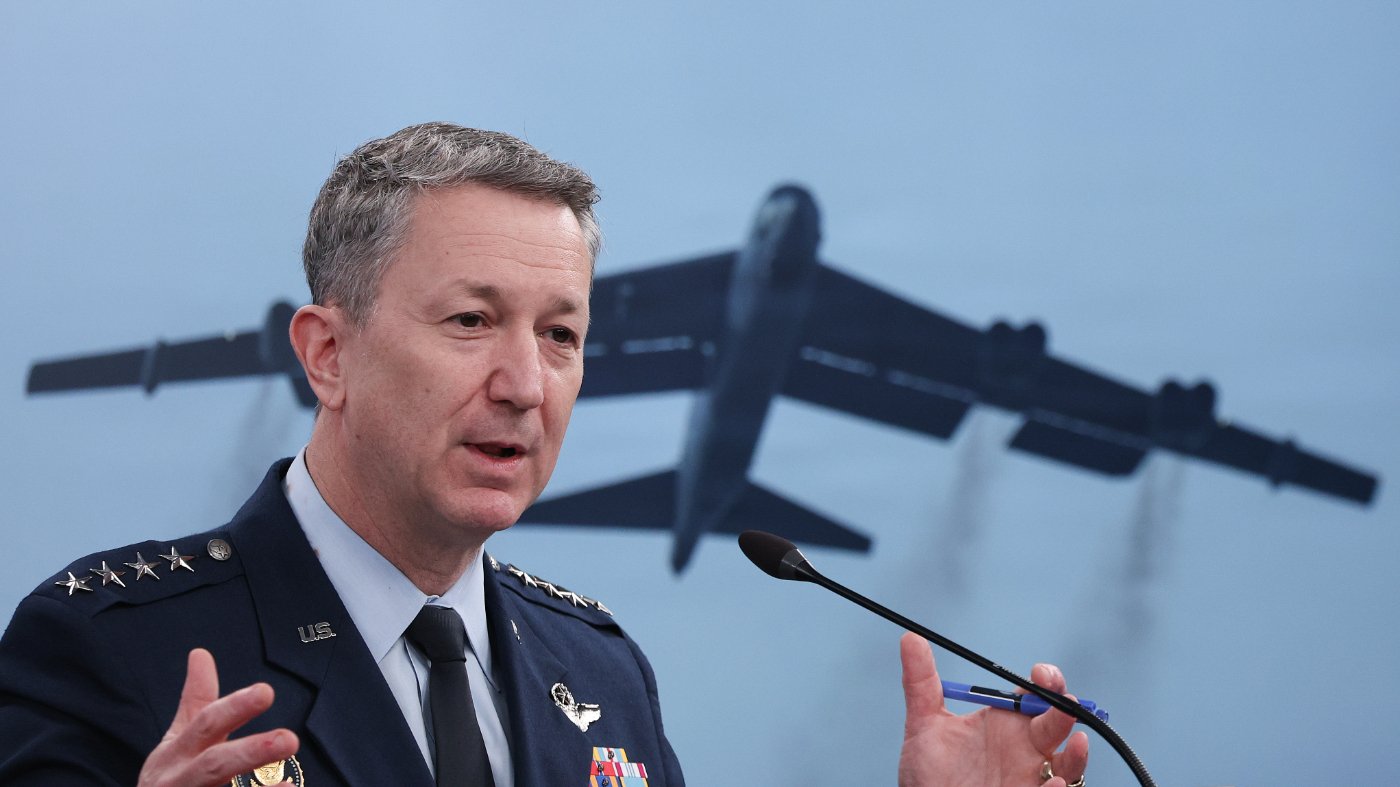
A new Congressional Research Service report reveals that at least 42 U.S. military aircraft have been lost or damaged since the start of the Iran war on February 28. The tally, drawn from news reports and Pentagon statements, includes a mix of fighter jets, helicopters, and drones, underscoring the conflict's growing toll on American air power.
Among the losses detailed in the May 13 report are four F-15E Strike Eagles, one F-35A Lightning II, one A-10 ground-attack aircraft, seven KC-135 aerial refueling tankers, an E-3 Sentry AWACS, two MC-130J special operations planes, one HH-60W combat rescue helicopter, 24 MQ-9 Reaper drones, and a single MQ-4C Triton drone. The Pentagon and U.S. Central Command have not yet commented on the findings.
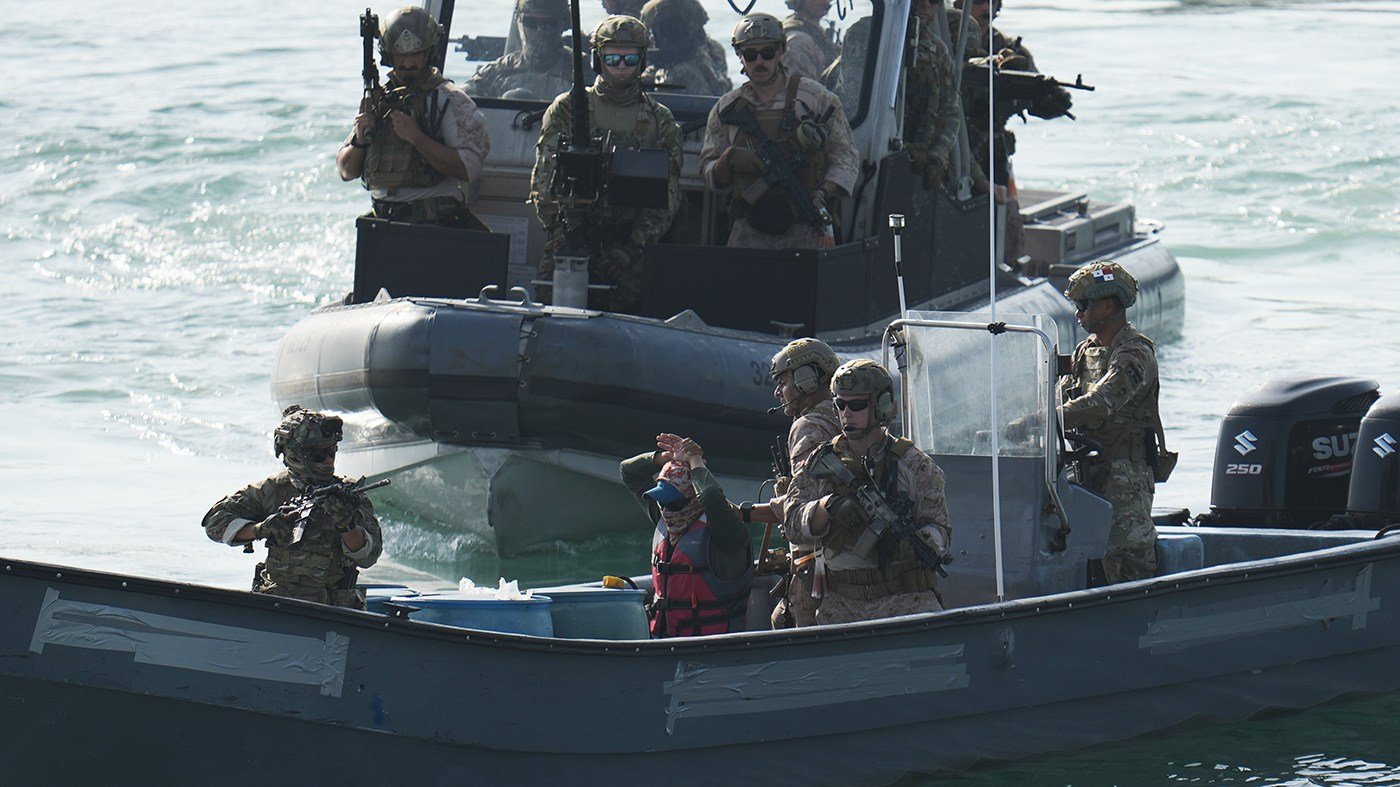
The report stops short of assessing how these losses might affect the Defense Department's ability to meet current operational demands, maintain global force posture, or respond to future crises. However, the broader context of the war paints a grim picture: hundreds of U.S. casualties, dwindling munitions stockpiles, and a Navy facing tough budget cuts without emergency congressional funding. At least 15 service members have been killed, and over 500 wounded since the U.S.-Israeli campaign began.
Adding to the strain, the USS Gerald R. Ford aircraft carrier suffered damage from a laundry room fire, and American forces are rapidly depleting stocks of air defense and long-range munitions. The war's price tag now hovers around $29 billion, according to Pentagon comptroller Jules Hurst, who told House lawmakers on May 12 that the increase partly reflects refined estimates for repairing or replacing damaged equipment.
Washington is currently operating under a tenuous ceasefire with Iran, in place since April, but a lasting peace deal remains elusive. President Trump is seeking an exit strategy, but negotiations have stalled over Iran's nuclear enrichment program and control of the Strait of Hormuz. Tehran has demanded a full end to hostilities, withdrawal of U.S. forces from nearby areas, reparations, lifted sanctions, and the release of frozen funds. Trump, however, rejected a recent Iranian request to separate nuclear talks from broader peace discussions, calling the proposal 'totally unacceptable.'
The war's impact on military readiness is raising concerns among defense analysts, especially as the Pentagon grapples with the need to replace high-value assets like the F-35 and MQ-9 Reaper. The Congressional Research Service report notes that the full operational consequences remain unclear, but the strain on the force is evident. As one defense expert noted, the loss of multiple tanker aircraft alone could hamper long-range strike capabilities.
The political fallout is also mounting. Republicans in Congress are pressing for a clearer strategy, while Democrats question the administration's handling of the conflict. The erosion of bipartisan cooperation on Capitol Hill, detailed in a recent book, has further complicated efforts to secure emergency funding. Meanwhile, the military's trauma care gap threatens readiness for large-scale conflict, as highlighted in a separate analysis of the war's medical toll.
As the ceasefire holds by a thread, the path to peace remains uncertain. Trump's silence on broader strategic issues, such as Taiwan during Xi Jinping's visit, signals a possible shift in focus, but for now, the Iran war continues to exact a heavy price in both blood and treasure.