Shifting Political Landscape Favors Democrats
With the midterm elections approaching, the political environment is showing signs of breaking toward Democratic candidates. Historical patterns already posed challenges for Republicans as the party holding the White House, but specific factors are amplifying those headwinds. Declining public approval of President Trump, widespread voter dissatisfaction with the nation's direction, and demonstrated Democratic energy in recent special elections have combined to create tangible momentum for the opposition party. This convergence has produced a scenario where control of both legislative chambers appears genuinely contested.
Trump's Approval and Polling Numbers Define the Terrain
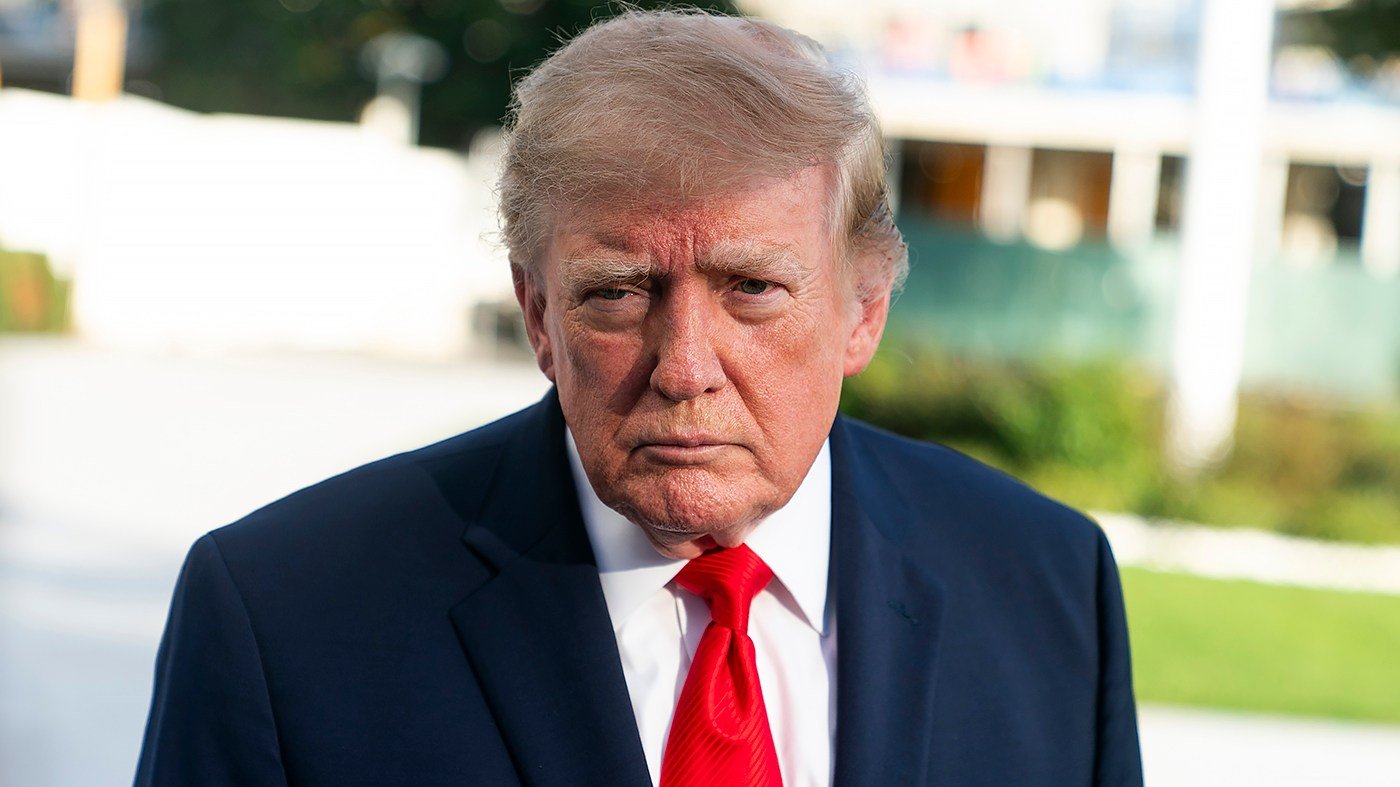
The central dynamic remains President Trump's standing with the electorate, which has deteriorated into a clear political liability. Growing public discontent, particularly regarding foreign policy and its economic repercussions, has driven down his numbers. According to the RealClearPolitics average, just 41% of Americans approve of Trump's job performance, while 57% disapprove. A recent CNN survey found only 38% of voters approve of his handling of foreign affairs. On the generic congressional ballot, Democrats hold a 6-point lead, 48% to 42%. These figures do not assure a Democratic wave but indicate a significant erosion of Republican positioning.
This erosion is visible in several critical Senate contests. In Maine, polling shows Democrat Graham Platner leading incumbent Republican Susan Collins by 7 points. In North Carolina, former Governor Roy Cooper leads his Republican opponent by 8 points. Perhaps most tellingly, in Texas, a state Rep. James Talarico is statistically tied with both incumbent Senator John Cornyn and Attorney General Ken Paxton in recent surveys. The competitiveness of a Democrat in Texas serves as stark evidence of the national environment. Prediction markets have registered this shift, now giving Democrats a slight 51% to 49% edge to retake the Senate, a dramatic change from last fall when Republicans held a 75% chance.
Democratic Weaknesses and Structural Hurdles
Despite this momentum, it would be an error for Democrats to equate favorable trends with inherent strength. The party's national image remains severely damaged. A recent NBC News survey found only 30% of Americans hold a favorable view of the Democratic Party. RealClearPolitics calculates a net negative 20-point favorability rating for Democrats, which is 5 points lower than the Republican rating and 6 points lower than Trump's own rating. Many voters do not yet see Democrats as a compelling governing alternative. To capitalize on the environment, the party must persuade voters it offers a credible agenda, not merely opposition to the current administration.
Structural factors also limit the potential scale of Democratic gains. The number of competitive House districts has shrunk dramatically since the last major wave election. Eight years ago, analysts identified 75 competitive seats; that figure has fallen to fewer than 20 ahead of this cycle. This narrower map makes replicating a 2018-style landslide victory difficult, even with a favorable national wind. Furthermore, external pressures on Republicans, such as public frustration over the Iran conflict and its impact on energy costs, could ease by November.
Democrats also face vulnerabilities on specific cultural issues where progressive activist positions diverge from broader public opinion. For instance, every Democratic senator present recently voted against a bill to bar transgender athletes from participating in women's sports, a position at odds with the 61% of Americans who oppose the policy. Such votes can provide potent attack lines for Republican campaigns in competitive districts.
Underlying Trends and the Path Forward
Nevertheless, the fundamental indicators point toward Democratic opportunity. Voter trust on the economy, long a Republican stronghold, has shifted: Democrats now hold a 3-point lead on which party voters most trust to handle it, according to Civiqs. Deep discontent persists about the nation's trajectory, with 60% of voters saying the country is on the wrong track. Crucially, key demographic groups that shifted rightward in the last presidential election, including Hispanic voters and independents, appear to be moving back toward Democrats. Recent electoral results, like the special election upset in a Trump-adjacent Florida district, signal these vulnerabilities.
The overall picture suggests a high likelihood the House will change hands, while the Senate is now a true toss-up. This does not forecast a repeat of 2018's blue wave. The Democratic brand is weaker, the electoral map is more constrained, and Trump retains a unique political resilience. While internal party dynamics, such as when Democrats break ranks to demand a colleague's resignation over ethics violations, can complicate messaging, the broader opening is clear. Ultimately, Democrats possess momentum but must articulate a positive vision to convert it into decisive victories. Their success may hinge on navigating legislative fights, such as their rejection of DHS funding bills, while presenting a coherent alternative to voters.