Democrats Escalate Pressure for Transparency on Iran War
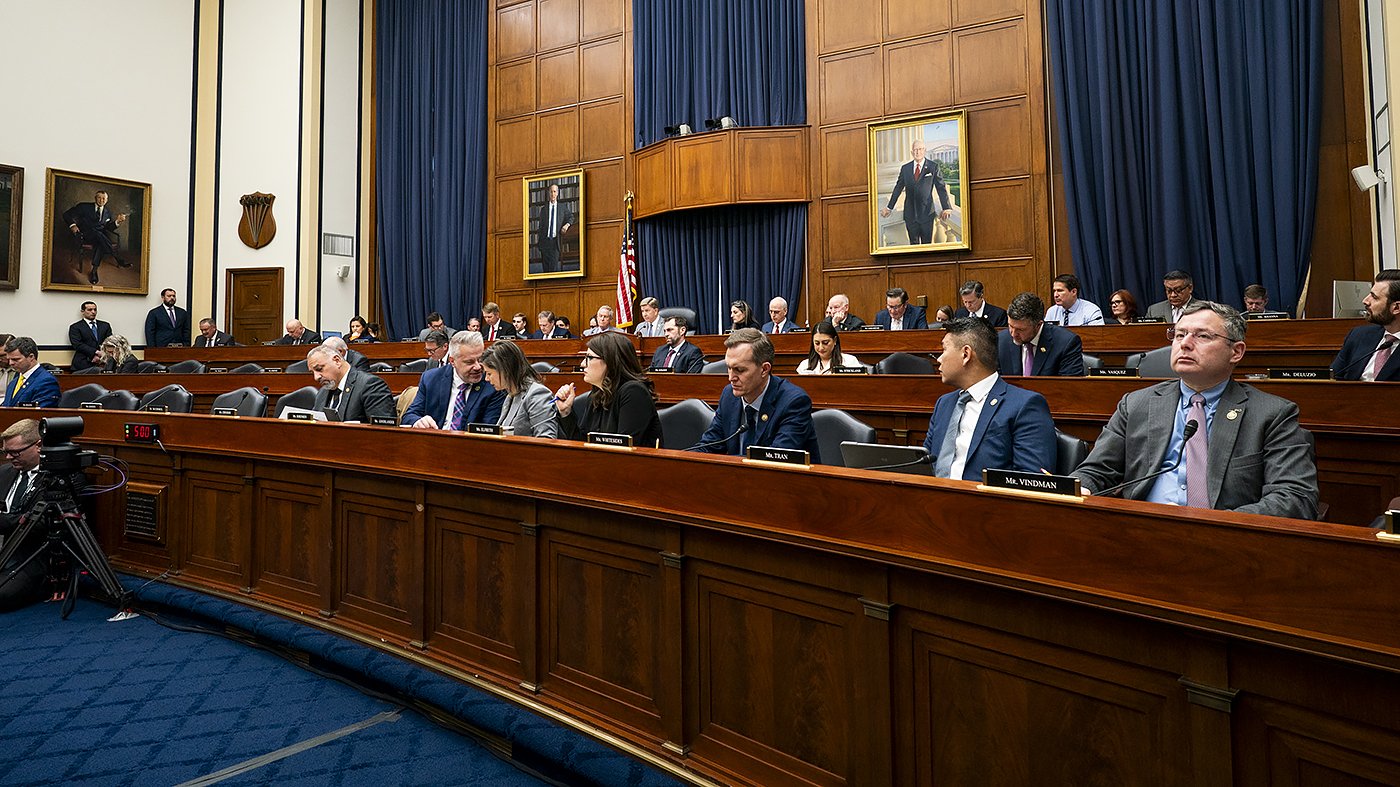
In a unified move, all Democratic members of the House Armed Services Committee have formally called upon the panel's Republican chairman to convene a public hearing with top Pentagon officials regarding the ongoing military conflict with Iran. The demand follows what lawmakers from both parties described as unsatisfactory classified briefings held earlier this week, which left critical questions about strategy and objectives unanswered.
The 27 lawmakers sent a detailed letter on Friday to Chairman Mike Rogers (R-Ala.), who himself had criticized the Department of Defense for providing insufficient substantive information during a Wednesday classified session. "We believe the military action against Iran necessitates that the Department of Defense immediately testify, in an open setting, before the House Armed Services Committee," the letter states, framing the request as a matter of congressional oversight and public accountability.

Core Concerns: Shifting Objectives and Ground Troops
The Democrats' letter expresses profound concern over the administration's handling of the conflict, now in its fourth week. "We are deeply troubled by the lack of transparency from the Trump Administration and the Department of Defense and its failure to keep the Congress and the American people informed," the lawmakers wrote. They highlighted "the ever-shifting strategic and operational objectives of the conflict and lack of clarity regarding the possible use of U.S. ground forces in the region" as primary issues.
These congressional frustrations were echoed by Chairman Rogers after the classified briefing. "We want to know more about what's going on, what the options are and why they're being considered. And we're just not getting enough answers on those questions," Rogers told reporters, indicating bipartisan unease as the administration reportedly considers deploying ground troops. However, Secretary of State Marco Rubio sought to downplay that possibility on Friday, asserting from France that the U.S. "can achieve all our objectives without deploying ground troops" inside Iran.
Mounting Costs and Casualties
The letter also presses for answers on the financial and human toll of the engagement. Lawmakers stated that "our questions remain unanswered about the costs incurred, including daily operations, lost and damaged equipment, munitions expenditures and reports that the administration plans to ask Congress for a $200 billion supplemental" funding request.
According to U.S. Central Command, over 300 American service members have been wounded since hostilities began in late February, with the vast majority sustaining minor injuries. A Centcom spokesperson confirmed that 273 troops have returned to duty, while at least 13 have been killed. Militarily, U.S. forces have struck over 10,000 targets within Iran, with Centcom claiming the destruction of two-thirds of the country's naval, missile, and drone production capacity.
A Call for Dedicated Scrutiny
While acknowledging Iran's destabilizing actions, the Democrats insisted the conflict's gravity warrants exclusive congressional attention. "There is no question that the Iranian regime is guilty of horrific crimes against its own people, conducts destabilization activities throughout the region, and should not be permitted to develop a nuclear weapon," the letter concedes. However, it argues that "given the complexity and gravity of this conflict, it is imperative that it receive its own hearing, separate and apart" from other scheduled briefings with defense officials.
This push for oversight comes amid other significant legislative tensions, including Senate Democrats rejecting a Homeland Security funding bill, which forces difficult decisions on domestic security resources. The administration's focus remains split, as seen when President Trump hosted a Greek Independence celebration while managing multiple international and domestic crises. Furthermore, the White House has outlined a potential diplomatic path, with the Trump cabinet confirming a 15-point Iran peace framework even as military operations persist.
The request places Chairman Rogers in a pivotal position, balancing oversight responsibilities with partisan dynamics. The Hill has contacted his office for comment on the Democratic letter. The outcome will test Congress's ability to assert its war powers authority and demand clarity on a conflict with significant strategic and budgetary implications.