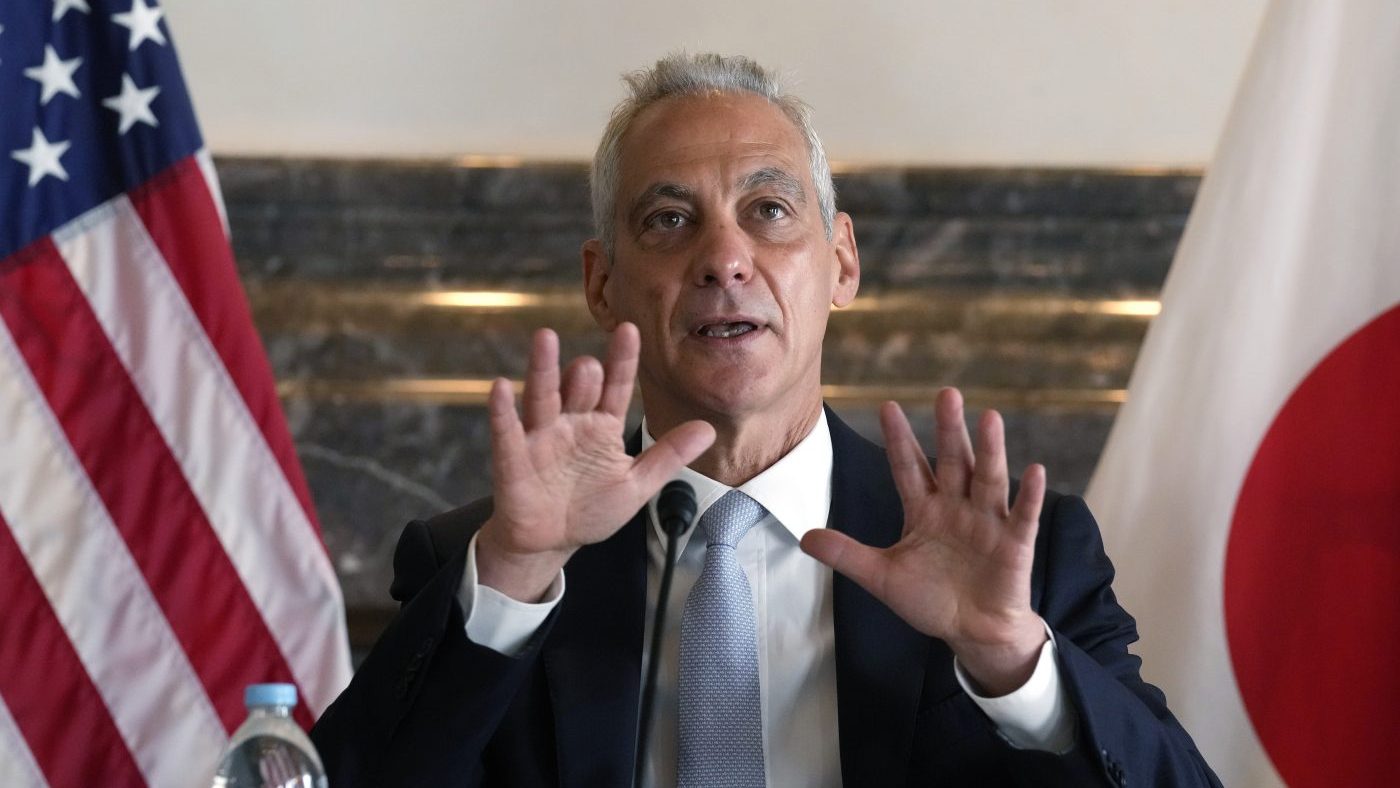
Rahm Emanuel, the former Chicago mayor and Obama chief of staff, laid out a sweeping proposal Sunday calling for a fundamental overhaul of the U.S. military to meet the demands of 21st-century conflict. In an op-ed for the Wall Street Journal, he argued that the wars in Ukraine and Iran expose critical gaps in American defense strategy.
Emanuel compared the need for reform to the landmark Goldwater-Nichols Act of 1986, which reshaped the Pentagon's command structure. “There’s no time to waste,” he wrote, urging Congress and the administration to act swiftly.
Rejecting President Trump's focus on instilling a “warrior spirit,” Emanuel insisted the real challenge is structural. “The issue isn’t reawakening the ‘warrior spirit’ in our soldiers,” he wrote. “Nor is it simply that the military needs more resources, though that may be true in many circumstances. Rather, it is whether we are comprehensively prepared for future battlefields.”
He argued that the Pentagon’s long-standing doctrine of fighting two simultaneous wars is outdated. Instead, the U.S. must be ready to wage both conventional and unconventional warfare in the same theater at the same time. “It has been the nation’s policy for decades to ensure the military is able to fight two wars simultaneously,” he noted. “But given how the world is evolving technologically and geopolitically, we must be able to fight two types of wars — conventional and unconventional — at the same time and in the same theater.”
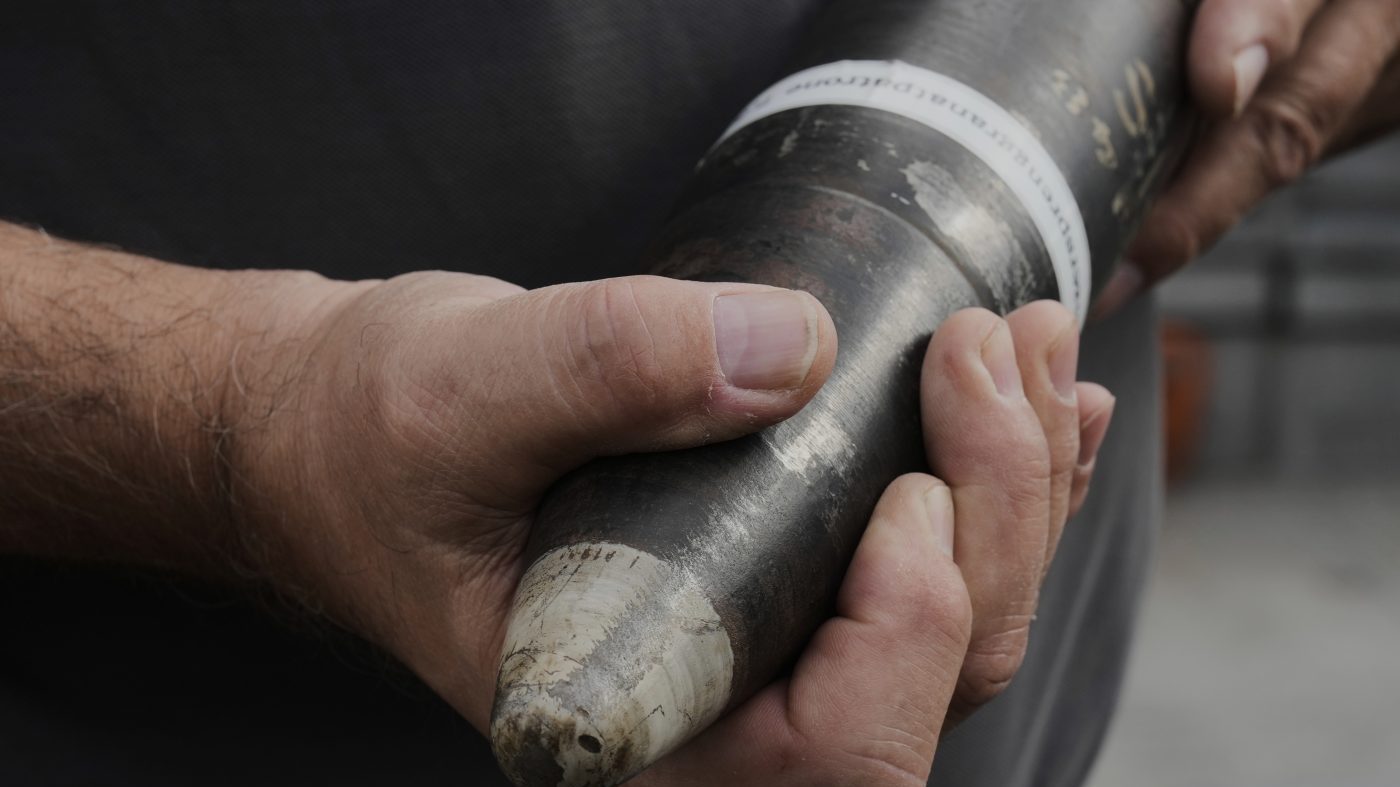
Drawing on the conflict in Ukraine, Emanuel highlighted the effectiveness of drone warfare. Since Russia’s full-scale invasion in February 2022, Ukrainian forces have used small, first-person-view drones to strike Russian tanks and disrupt supply lines, as noted by the Modern War Institute at West Point. “Ukraine’s drones have been crucial to stymieing Moscow’s advances, while helping Kyiv attack deep into Russian territory,” Emanuel wrote. “We should have the best and cheapest drones, and instead we’re racing to catch up.” This echoes broader concerns about Pentagon procurement, as highlighted by critics like Senator McConnell, who has blasted the Pentagon for hoarding military aid to Ukraine.
Turning to the conflict with Iran, Emanuel pointed out that while the U.S. military has destroyed or damaged more than 150 Iranian naval ships, Tehran has effectively used an unconventional weapon: the Strait of Hormuz. By restricting shipping there, Iran has driven up global oil and gas prices, including at American pumps. “We went to war in large part to neutralize Iran’s nuclear weapons program, and the country’s leaders realized they had another nuclear option: the Strait of Hormuz,” he wrote. “Their unconventional measure carries significant weight — that’s where we need to win.” This aligns with recent tensions, as Secretary Rubio dismissed Iran’s Strait of Hormuz proposals without nuclear concessions.
Emanuel also took aim at the Pentagon’s reliance on the Big Five defense contractors: Lockheed Martin, Raytheon, Boeing, General Dynamics, and Northrop Grumman. He argued that these suppliers “operate on time frames few institutions would tolerate” and proposed barring them from stock buybacks until they deliver weapons on time and on budget. Additionally, he revived a January 2025 proposal to reserve 30% to 40% of federal funding for emerging technologies and asymmetrical weapons systems for bidders outside the Big Five. “That’s how you stand up new companies and new technologies with speed,” he said.
The former mayor, who is weighing a 2028 Democratic presidential bid, has rolled out several policy proposals in recent months, focusing on education and technology. But his latest salvo centers on national security. “While more money is required to develop the ability to fight two different types of wars simultaneously, we also need leadership and vision,” he concluded. “The challenge will require reforms unlike any we’ve undergone since the Reagan administration.”
Emanuel’s push comes amid ongoing debates over U.S. military strategy, including questions about the cost of the Iran war and recent Pentagon firings. As the 2028 campaign looms, his centrist approach is already drawing scrutiny from rivals like Governor Pritzker.