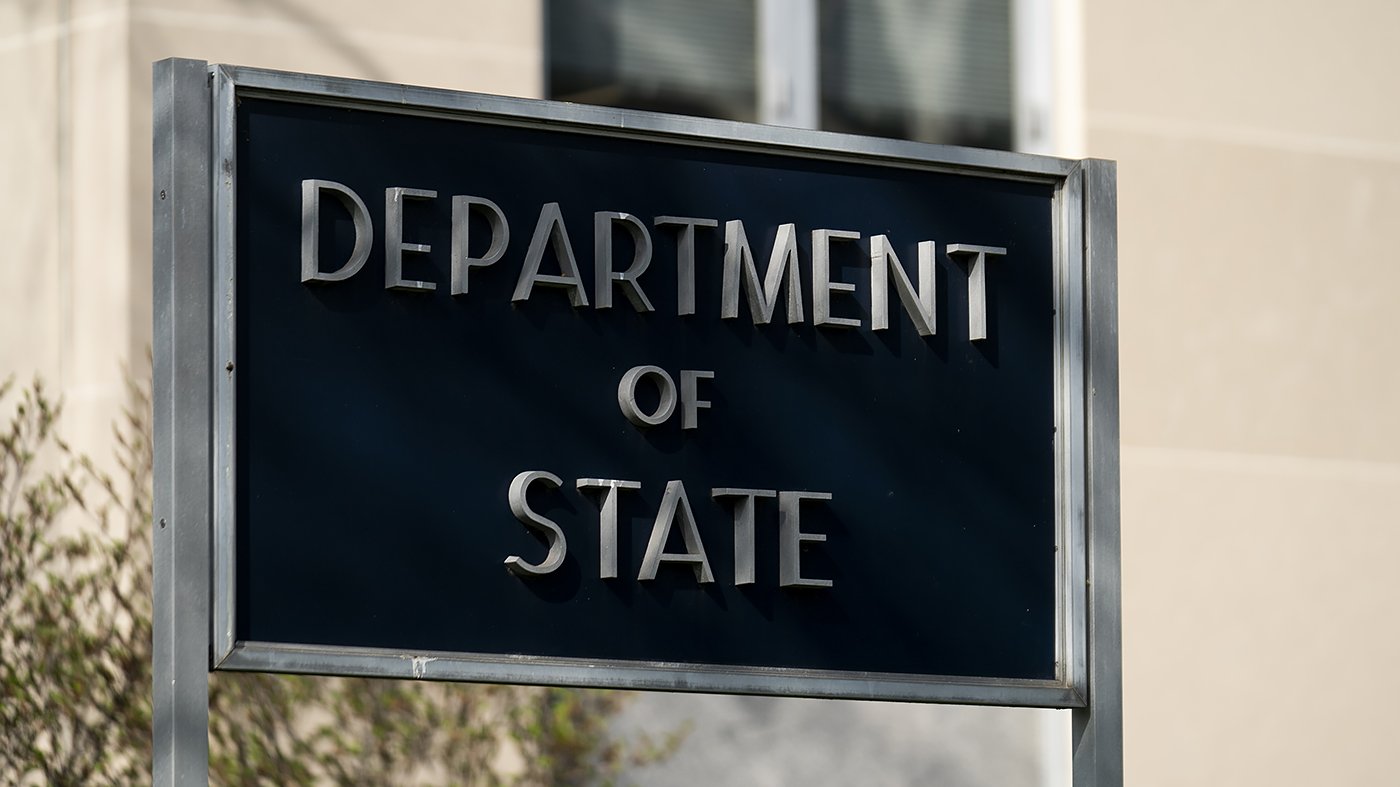
The U.S. State Department will convene high-level talks between Israeli and Lebanese officials in Washington next week, a department official confirmed Thursday, in a bid to broker a ceasefire to end the escalating cross-border conflict. The negotiations will focus squarely on halting hostilities between Israel and the Iranian-backed militant group Hezbollah, which operates from Lebanese territory.
Diplomatic Framework and Escalating Violence
According to reports, the U.S. delegation will be led by Ambassador to Lebanon Michel Issa, while Israel is expected to be represented by its Ambassador to the U.S., Yechiel Leiter. The Lebanese representation remains unclear. The diplomatic initiative follows a public directive from Israeli Prime Minister Benjamin Netanyahu, who stated on social media that he had ordered his government to pursue direct negotiations with Lebanon "as soon as possible." Netanyahu framed the talks' objectives as the disarmament of Hezbollah and the establishment of peaceful bilateral relations.
This diplomatic push unfolds against a backdrop of severe and recent military escalation. On Wednesday, Israel launched its most intense barrage yet into Lebanon, striking 100 sites within ten minutes. The Lebanese health ministry reported the attacks killed at least 303 people and wounded 1,150 others. Further strikes on Thursday morning killed more than ten people, including women and children, according to Lebanon's National News Agency. These actions have prompted a formal complaint from Lebanon to the United Nations.
Trump's Intervention and Regional Ceasefire Complications
The violence has drawn direct intervention from President Trump, who revealed he urged Prime Minister Netanyahu to temper Israel's military campaign. "I spoke with Bibi and he's going to low-key it. I just think we have to be sort of a little more low-key," Trump said Thursday, expressing concern that the strikes could destabilize a separate, fragile ceasefire agreement between the U.S. and Iran reached earlier this week.
Iran, Hezbollah's primary patron, insists the U.S.-Iran truce explicitly covers Lebanon, a claim that appears directly challenged by Israel's sustained operations. In a significant retaliatory move, Iran responded to the latest strikes by closing the Strait of Hormuz, a critical global oil chokepoint that has been a focal point of regional tensions.
The situation has also ignited international diplomatic repercussions. Spain has called for the European Union to consider sanctions against Israel, citing violations of international law. Meanwhile, the pressure from Washington reflects a delicate balancing act, as the administration seeks to preserve its ceasefire with Iran while supporting its ally Israel. This dynamic was underscored by Trump's public pressure on Netanyahu to de-escalate, marking a rare public divergence in strategy.
The upcoming Washington talks represent a critical test for U.S. mediation. They follow Netanyahu's order for direct negotiations but face immense challenges given the scale of recent casualties, Hezbollah's entrenched position, and the complex overlay of the U.S.-Iranian détente. The success or failure of this diplomatic channel will have profound implications for regional stability and the sustainability of the broader pause in hostilities between the U.S. and Iran.