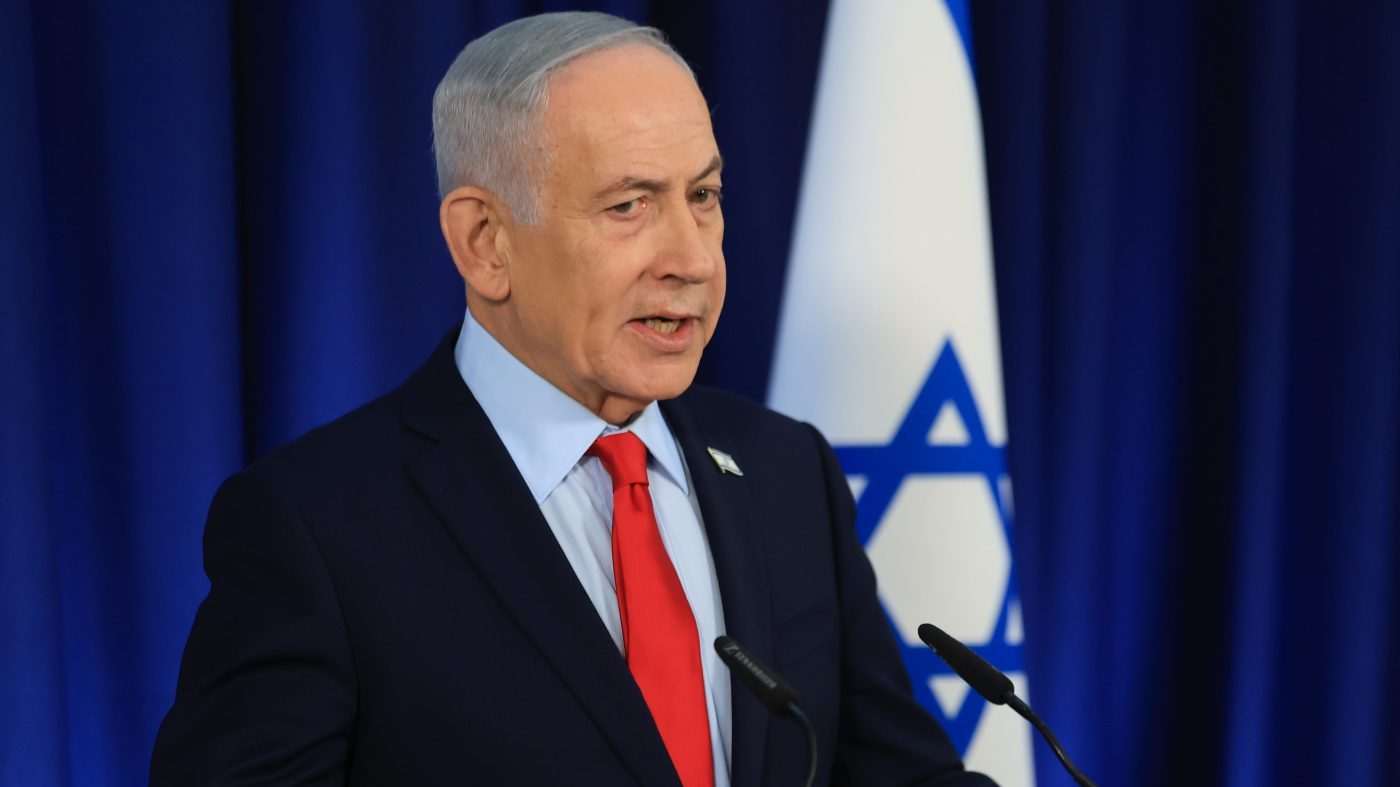
Israeli Prime Minister Benjamin Netanyahu announced Thursday that he has directed his cabinet to initiate direct negotiations with the Lebanese government. The move comes as the Israeli military intensifies its campaign against Hezbollah targets within Lebanon, marking a significant diplomatic maneuver amid ongoing hostilities.
"In response to persistent requests from Lebanese officials for direct talks, I have ordered the cabinet to commence negotiations with Lebanon at the earliest opportunity," Netanyahu stated. He specified that the discussions would center on the disarmament of the Iran-backed militant group Hezbollah and the establishment of a formal peace between the two nations.
Military Escalation and Civilian Toll
The announcement follows a severe escalation of Israeli military action. The Israel Defense Forces resumed strikes on March 2, two days after coordinated U.S. and Israeli operations against Iran. On Wednesday alone, IDF spokesperson Lt. Col. Nadav Shoshani reported that Israeli forces hit approximately 100 Hezbollah targets.
The human cost has been substantial. Lebanese civil defense authorities reported that the recent strikes killed at least 254 people and wounded over 1,165. Heba Morayef of Amnesty International described Wednesday as the deadliest single day in Lebanon since Israel renewed its offensive last month, with central Beirut suffering particularly heavy casualties.
Lebanese Response and International Reactions
In response to the bombardment, Lebanese Prime Minister Nawaf Salam declared his government would file a formal complaint with the United Nations Security Council. His cabinet also ordered the national army and security forces to bolster defenses around Beirut and to restrict weaponry within the capital to "legitimate forces"—a clear directive aimed at curtailing Hezbollah's armed presence. Netanyahu publicly expressed appreciation for this measure.
The violence directly threatens a fragile, U.S.-brokered ceasefire between Washington and Tehran, agreed just days earlier. Iranian President Masoud Pezeshkian condemned Israel's "repeated aggression" as a "flagrant violation" of that truce, warning that continued strikes would render negotiations "meaningless" and vowing Iran's unwavering support for Lebanon.
U.S. officials moved quickly to clarify the ceasefire's scope. Shortly after the truce was announced, Netanyahu's office stated it did not apply to Lebanon. Vice President J.D. Vance later echoed this, attributing the confusion to a "legitimate misunderstanding." Vance explained that the U.S. never indicated the pause covered Israeli operations against Hezbollah, a position that has drawn criticism from other international actors.
The situation underscores the complex, multi-front nature of the regional conflict. While Israel escalates its campaign against Hezbollah, the U.S.-Iran ceasefire explicitly excludes this theater, creating a dangerous loophole. The impending UN complaint from Lebanon and Iran's stark warnings suggest the diplomatic window opened by Netanyahu's order exists within an extremely volatile and bloody context, where talks will proceed alongside ongoing military action.