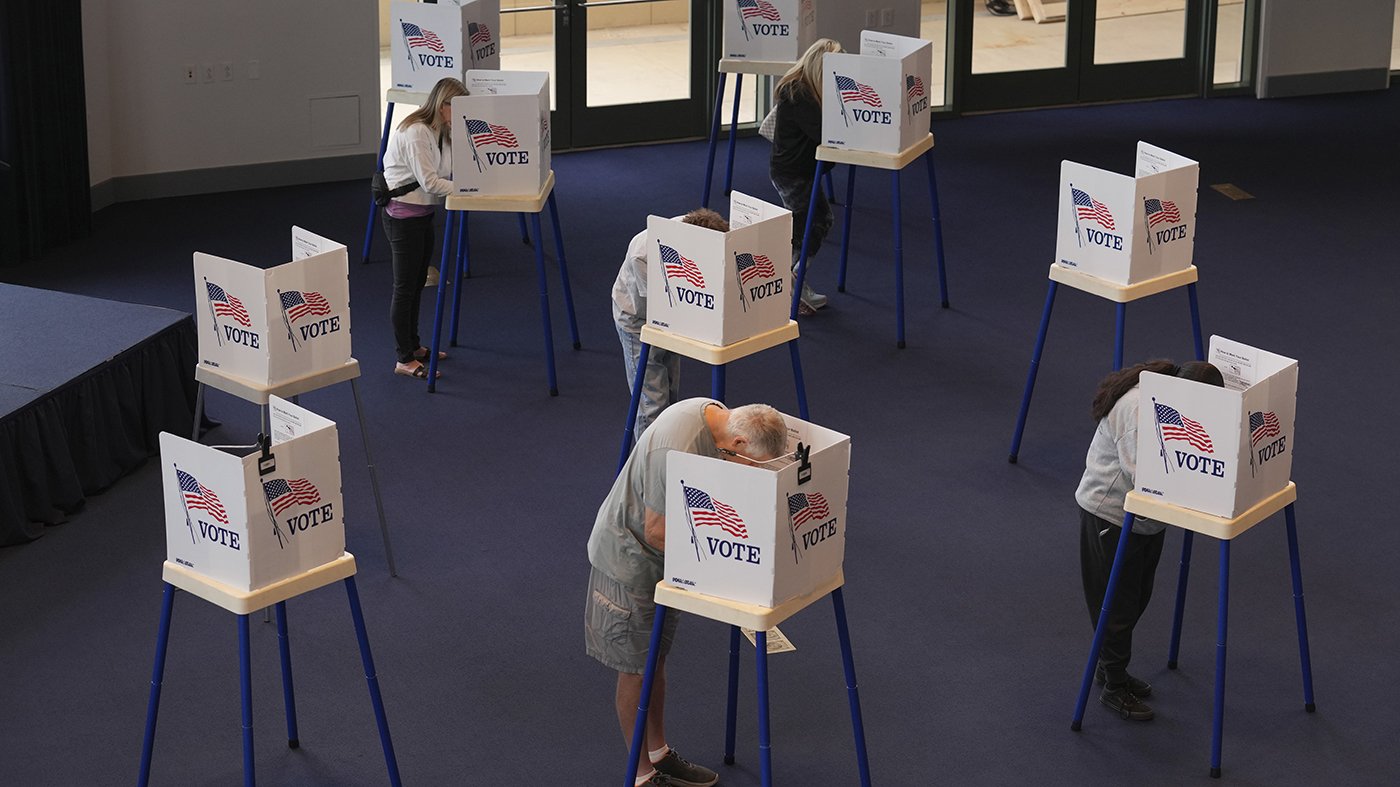
The California Supreme Court issued a decisive order on Wednesday, commanding Riverside County Sheriff Chad Bianco to immediately halt his investigation into more than 650,000 ballots seized from a November special election. The ruling represents a major legal setback for Bianco, a Republican candidate for governor, who launched the probe in February based on allegations from a local community group.
Legal Showdown Over Election Integrity
The court's intervention came at the request of Democratic Attorney General Rob Bonta, who had demanded Bianco stop what he characterized as an unauthorized investigation. Bonta praised the decision as a "necessary and appropriate response to what is clearly an unprecedented situation." In a statement, Bonta accused the sheriff of willfully defying orders, misusing criminal investigatory tools, and creating a "constitutional emergency." He framed the Supreme Court's action as reining in a "rogue Sheriff" whose actions were destabilizing.
Bianco, in a video posted to Instagram, offered a mixed reaction to the ruling. "Technically... I'm very happy," he said, while lamenting that the investigation was now frozen. "Unfortunately we are status quo, we're still at the hold of the court," Bianco stated. "So, we are not allowed to progress with the counting of the ballots, and we'll just continue fighting for this for you, and we'll make sure that an investigation, like any investigation, is completed and not swept under the rug, as our attorney general would like to happen."
Warrants Reveal Lack of Specific Fraud Evidence
In a related development, Riverside County Superior Court Judge Gail O'Rane ordered the unsealing of three search warrants used to seize the ballots. Media organizations, including the Los Angeles Times, had sued for access. The warrants, reviewed by the Times, failed to identify any specific scenario or individual involved in alleged voter fraud. County officials had previously argued to keep them sealed, citing an active investigation.
This legal clash occurs as Governor Gavin Newsom's political future remains a topic of national speculation, with state-level controversies often influencing broader perceptions. The dispute also touches on themes of election integrity that have become central to Republican campaigns nationwide, similar to legal challenges seen in other contexts, such as when former President Donald Trump appeals fraud-related penalties.
Bianco had already paused the investigation last week amid mounting legal challenges. He previously told the Times the probe was on hold "because of the politically motivated lawsuits and court filings." The sheriff's actions have ignited a fierce debate over the limits of local law enforcement authority in reviewing election administration, a area typically governed by state officials and canvassing boards.
Officials Dispute Basis of Fraud Claims
Riverside County's registrar of voters, Art Tinoco, has directly challenged the premise of Bianco's investigation. Tinoco stated the discrepancy in question involved only 103 votes from the special election and attributed the community group's allegations to a misunderstanding of unprocessed raw data. He maintained the claims of systemic fraud were inaccurate.
The California Supreme Court has agreed to review the case on its merits, setting the stage for a precedent-setting ruling on the separation of powers and election oversight. Such judicial reviews of state authority can have wide ramifications, much like other Supreme Court rulings that threaten to reshape state regulatory frameworks.
The confrontation underscores the intensely politicized environment surrounding election administration since 2020. It pits a local sheriff running for higher office against the state's top law enforcement official, with the judiciary now acting as arbiter. The outcome will likely influence how election challenges are pursued in California and potentially other states, defining the boundary between legitimate inquiry and overreach.