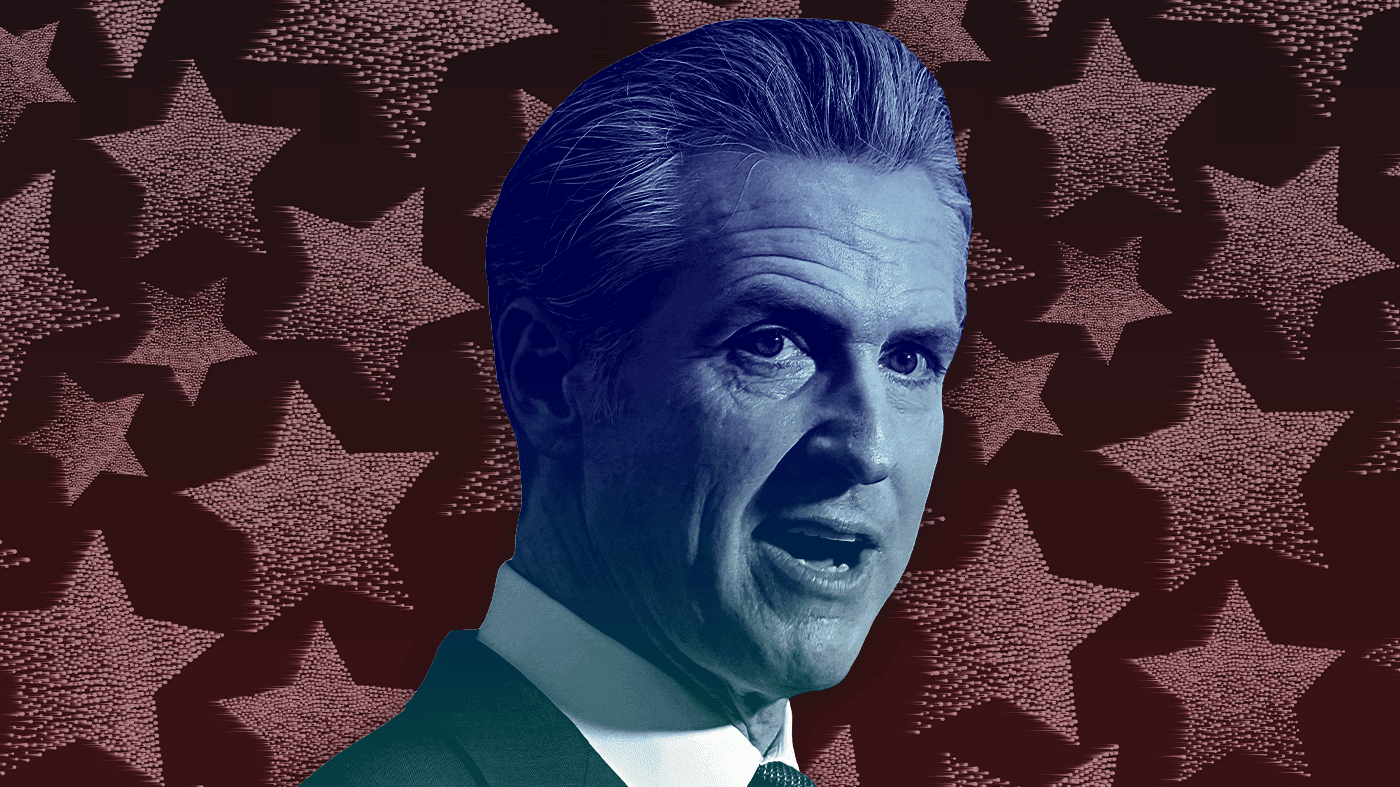
As international tensions escalate in the Middle East, California Governor Gavin Newsom has drawn attention for his political positioning rather than his policy leadership. Within hours of recent military strikes in the region, the Democratic governor took to social media with dual messages—condemning the conflict as "illegal" while calling for Iran's regime "must go." His communications team quickly shifted focus to California's economic metrics, showcasing what critics describe as a pattern of political theater over substantive governance.
The Political Performer
Newsom's critics characterize him as a political performer whose greatest achievement may be transforming his national image from that of a California governor facing significant policy challenges to a leading contender for the 2028 Democratic presidential nomination. He has recently conducted what observers describe as a thinly-veiled political tour through early primary states under the guise of a book promotion, simultaneously positioning himself as a resistance figure against former President Donald Trump while engaging in the culture wars he criticizes others for exploiting.
The governor frequently emphasizes his background as someone raised by a single mother with limited means, presenting himself as relatable to average voters. This narrative contrasts with his actual family history: his father and grandfather were established political figures in California, with connections to both Governor Pat Brown and Governor Jerry Brown. His grandfather secured lucrative business concessions, while his father served as an adviser to Jerry Brown and trustee of the Getty Family Trust, linking Newsom to substantial wealth. His aunt by marriage is former House Speaker Nancy Pelosi.
California's Policy Challenges
Newsom's policy record in California faces mounting criticism across multiple fronts. The state continues to grapple with persistent water shortages amid slow progress on reservoir approvals. Energy costs have soared following the decommissioning of natural gas facilities, restrictions on oil drilling, and increased regulation of refineries—all while permitting significant utility rate increases.
Housing remains a critical issue, with Newsom's promise to build 3.5 million new homes falling dramatically short at approximately 13% of that target. Homelessness has increased despite billions in allocated funding, while California's roads rank among the nation's worst despite higher per-mile spending than other states. Educational outcomes lag behind national averages even as costs continue rising. The state maintains the nation's highest tax burden, with the top 1% paying nearly half of all income tax revenue, yet still operates with a substantial deficit that has contributed to resident outmigration.
These policy outcomes, critics argue, result from the governor's alignment with specific interest groups. Environmental lobbying organizations that fund Newsom's campaigns promote legislation like the California Environmental Quality Act, which restricts energy production and water resource development. Trial lawyers benefit from extensive litigation that increases living costs, while government employee unions push for higher compensation and greater control over education systems—all factors driving up taxes and contributing to budget shortfalls.
Political Positioning Amid Crisis
Newsom's response to the Middle East conflict exemplifies what detractors call his tendency toward political performance over substantive leadership. His simultaneous anti-war and anti-Iran statements represent what one critic describes as "threading needles that exist only in political fantasy." This comes as the State Department orders evacuations from Iraq and Americans express growing concern about fuel costs amid escalating tensions.
The governor frequently highlights California's economic strengths, including its concentration of successful businesses and wealth generation. Critics counter that these advantages stem primarily from the state's natural assets—climate and geography—rather than effective governance, comparing Newsom's claims to "the rooster claiming credit for the sunrise." They argue businesses and residents tolerate what they characterize as incompetent governance because of California's inherent advantages.
As Newsom continues his national positioning, his presidential ambitions face scrutiny not only from political opponents but from voters evaluating tangible results. With Democratic momentum building ahead of midterms and economic confidence declining, the governor's record in California may prove a significant factor in any national campaign. His ability to translate political performance into substantive policy achievements remains the central question surrounding his potential presidential bid.