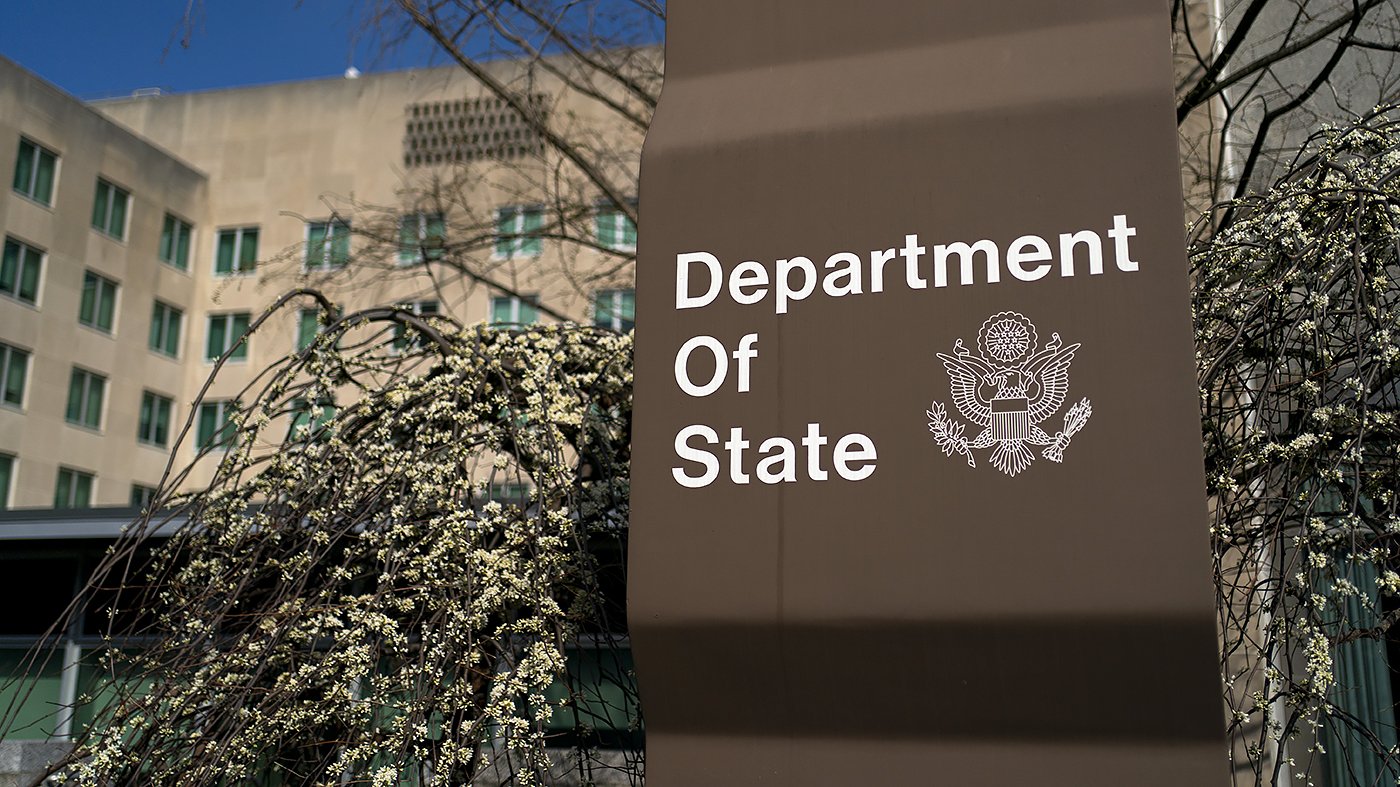
The U.S. State Department issued an urgent security directive on Wednesday, advising all American citizens in Iraq to leave the country immediately using overland travel routes. The warning cites a heightened threat from Iran-aligned militia groups, which have recently conducted drone attacks targeting areas near the Baghdad Diplomatic Support Center and Baghdad International Airport.
Explicit Threat Against U.S. Interests
In a statement posted on the social media platform X, the department warned that these militias "may intend to conduct additional terrorist attacks against U.S. citizens and targets associated with the United States throughout Iraq, including in the Iraqi Kurdistan Region." The alert explicitly advises against air travel within Iraq due to the persistent risk of missiles, drones, and rockets in the country's airspace, despite Iraqi authorities announcing plans to resume commercial flights.
"U.S. citizens should leave now via overland routes," the directive states, marking a significant escalation in official travel warnings for the country.
Context of a Fragile Ceasefire
This security alert emerges just one day after President Trump announced a two-week ceasefire agreement with Iran, intended to facilitate negotiations for a longer-term peace deal. However, the durability of that agreement is already in question. Several Gulf nations, including Saudi Arabia, the United Arab Emirates, and Kuwait, have reported strikes originating from Iran following the ceasefire announcement. This pattern of continued aggression, as noted in recent analysis, casts serious doubt on the strength and viability of the nascent diplomatic arrangement.
Prisoner Swap Precedes Warning
The State Department's travel advisory follows the recent release of American journalist Shelly Kittleson, who was captured near Baghdad last week by the Iran-backed militia Kataib Hezbollah. Kittleson was freed on Tuesday in exchange for detained members of the militia group. The militia stated that similar agreements for the release of U.S. citizens would not be made in the future, signaling a hardening stance.
Secretary of State Marco Rubio acknowledged Kittleson's release in a social media post, writing, "We will continue to use every tool to bring Americans home and to hold accountable those responsible. We are relieved that this American is now free and are working to support her safe departure from Iraq." The journalist's case underscores the complex and dangerous environment for Americans in Iraq, a situation detailed further in reporting on the terms of her release and subsequent expulsion order.
Logistics and Security Protocols
The State Department confirmed that the U.S. Mission in Iraq remains open to assist with citizen departures but strongly advised against visiting U.S. facilities in Baghdad or Erbil due to "significant security risks." The department identified operational overland exit routes to Jordan, Kuwait, Saudi Arabia, and Turkey, while cautioning travelers to anticipate extensive delays at border crossings.
Americans in Iraq requiring evacuation assistance are instructed to contact the U.S. Department of State's 24/7 Task Force. This coordinated departure effort highlights the severity of the assessed threat, which extends beyond the capital. The militias' capabilities and regional posture, particularly regarding critical waterways, remain a focal point of strategic concern, as highlighted by warnings that Iran maintains a strategic advantage in the Strait of Hormuz despite the ceasefire.
Broader Regional Implications
The immediate evacuation order reflects a deteriorating security situation that directly challenges the administration's recent diplomatic overtures. The continued militia activity suggests that Tehran either cannot or will not control its proxy forces in Iraq, undermining the ceasefire's foundation. This development also raises questions about the future U.S. diplomatic and military footprint in Iraq, as non-essential personnel and private citizens are urged to exit. The administration's response to this provocation may involve further economic measures, including potential tariff threats on nations accused of arming Iran, as part of a broader pressure campaign.
The directive represents one of the most severe travel warnings issued for Iraq in recent years and signals a clear assessment that Iran-aligned groups are prepared to escalate attacks against U.S. interests, regardless of high-level diplomatic talks.