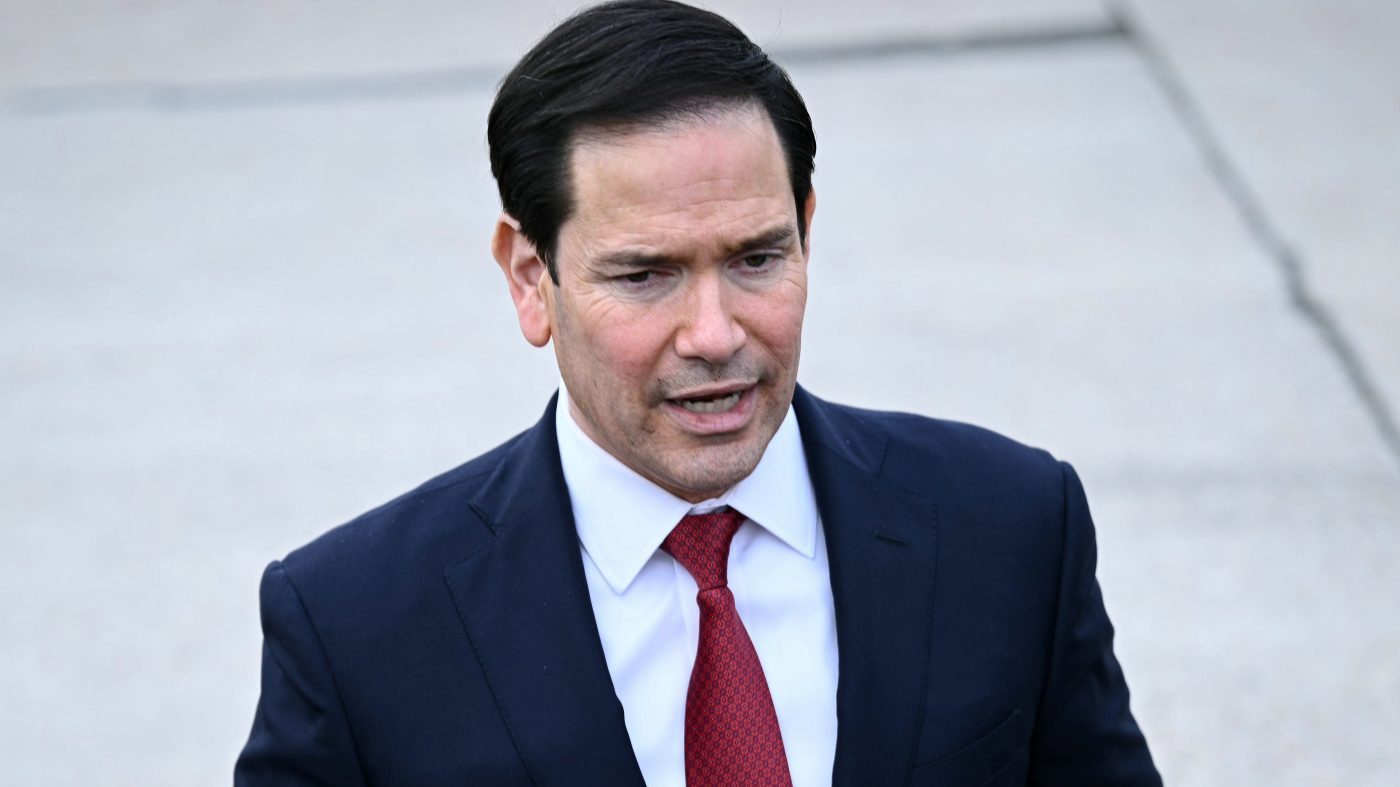
Secretary of State Marco Rubio announced Tuesday night that American journalist Shelly Kittleson has been released after being held captive for more than a week by an Iran-backed militia in Iraq. Rubio stated U.S. authorities are now focused on securing her safe exit from the country.
“I am pleased to announce the release of American journalist Shelly Kittleson, who was recently kidnapped by members of the foreign terrorist organization Kata’ib Hizballah near Baghdad,” Rubio wrote in a social media post. “We will continue to use every tool to bring Americans home and to hold accountable those responsible. We are relieved that this American is now free and are working to support her safe departure from Iraq.”
Prisoner Exchange Details
Kittleson's release was secured through a prisoner swap, according to reports from The Associated Press. In exchange for her freedom, Iraqi authorities released six members of Kata'ib Hizballah. Most of those freed were reportedly linked to attacks on U.S. military bases in Syria, highlighting the ongoing regional tensions. The militia stated this type of exchange would not be repeated but said Kittleson was freed “in appreciation of the patriotic stances” of outgoing Iraqi Prime Minister Mohammed Shia al-Sudani.
The militia that held her has ordered Kittleson to “leave the country immediately” upon her release. Her current whereabouts remain unclear as U.S. officials work to facilitate her transfer. This incident occurs amid broader heightened security warnings for Americans in the region.
Cautious Response from U.S. Contacts
Alex Plitsas, a national security analyst and Kittleson's U.S. contact, expressed cautious optimism. “We are still awaiting Shelley to be transferred to US officials. We welcome the news of her pending release but will save celebratory statements until she is transferred,” Plitsas wrote online. “The video that was released provided proof of life. We will have more to say when she is in US hands.”
Kittleson is a freelance journalist whose reporting on the Middle East has gained significant recognition. She has often worked abroad, using Rome as a base for some time. U.S. authorities had reportedly warned her of specific threats prior to her capture, underscoring the dangerous environment for journalists in conflict zones. This case mirrors the complex dynamics seen in other hostage situations involving Iranian-backed groups.
The release comes at a sensitive time in U.S.-Iraq relations and amid ongoing regional instability. The involvement of Kata'ib Hizballah, a group designated as a terrorist organization by the U.S., points to the continuing proxy influence of Iran in Iraq. Such incidents test diplomatic channels and crisis response protocols, particularly as the U.S. navigates multiple foreign policy challenges.
This episode also raises questions about the safety of independent journalists operating in high-risk areas and the mechanisms for their protection. The prisoner swap, while securing Kittleson's freedom, also represents a tactical concession that analysts say could influence the behavior of other militant groups seeking leverage. The situation reflects the intricate balance of power and negotiation that defines U.S. engagement in Iraq, a context further complicated by broader strategic calculations regarding Iran.
The State Department's announcement emphasizes the administration's commitment to recovering American citizens abroad, a consistently stated priority. However, the method of exchange—trading detained militia members for a hostage—remains a contentious tool of statecraft, often criticized for potentially incentivizing future kidnappings. The U.S. government maintains it employs a range of options to secure releases, with each case evaluated independently.