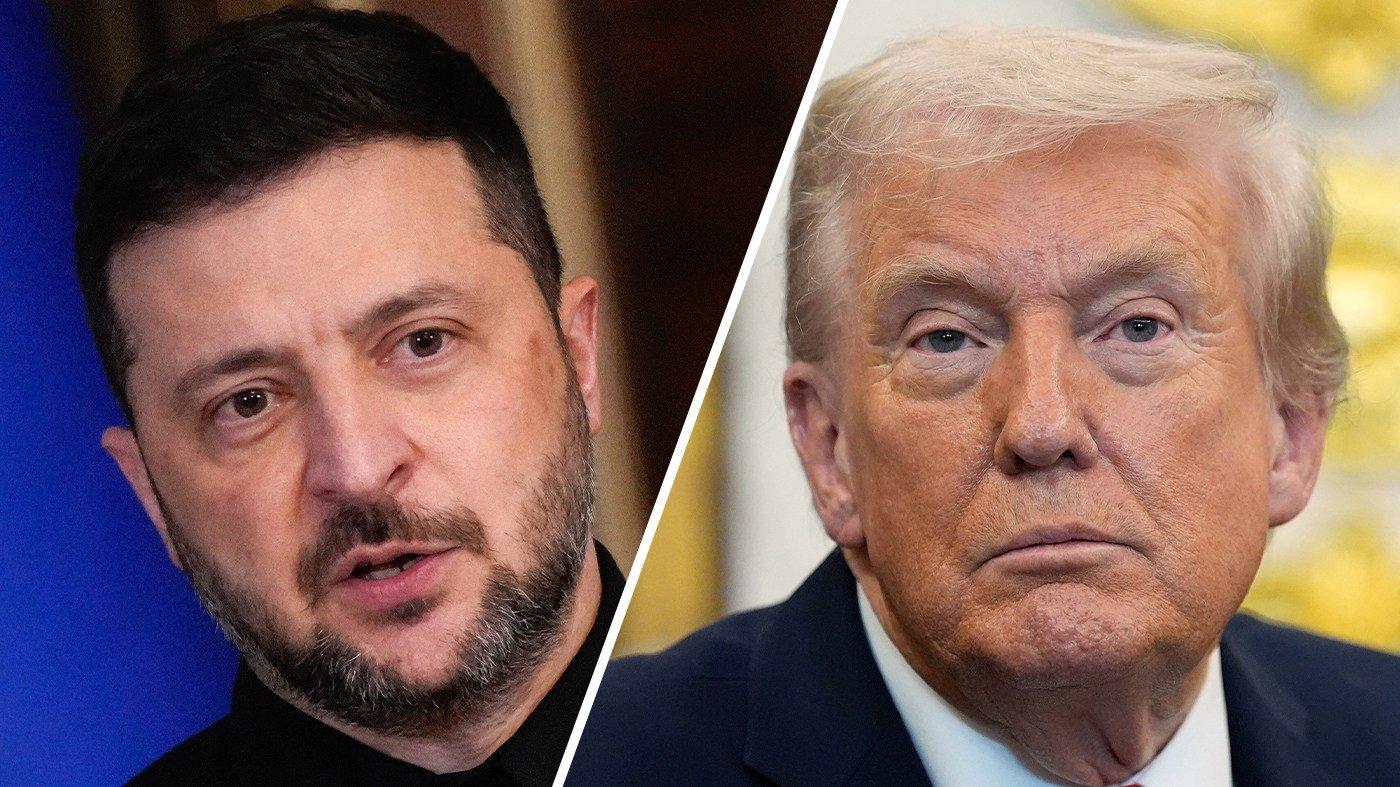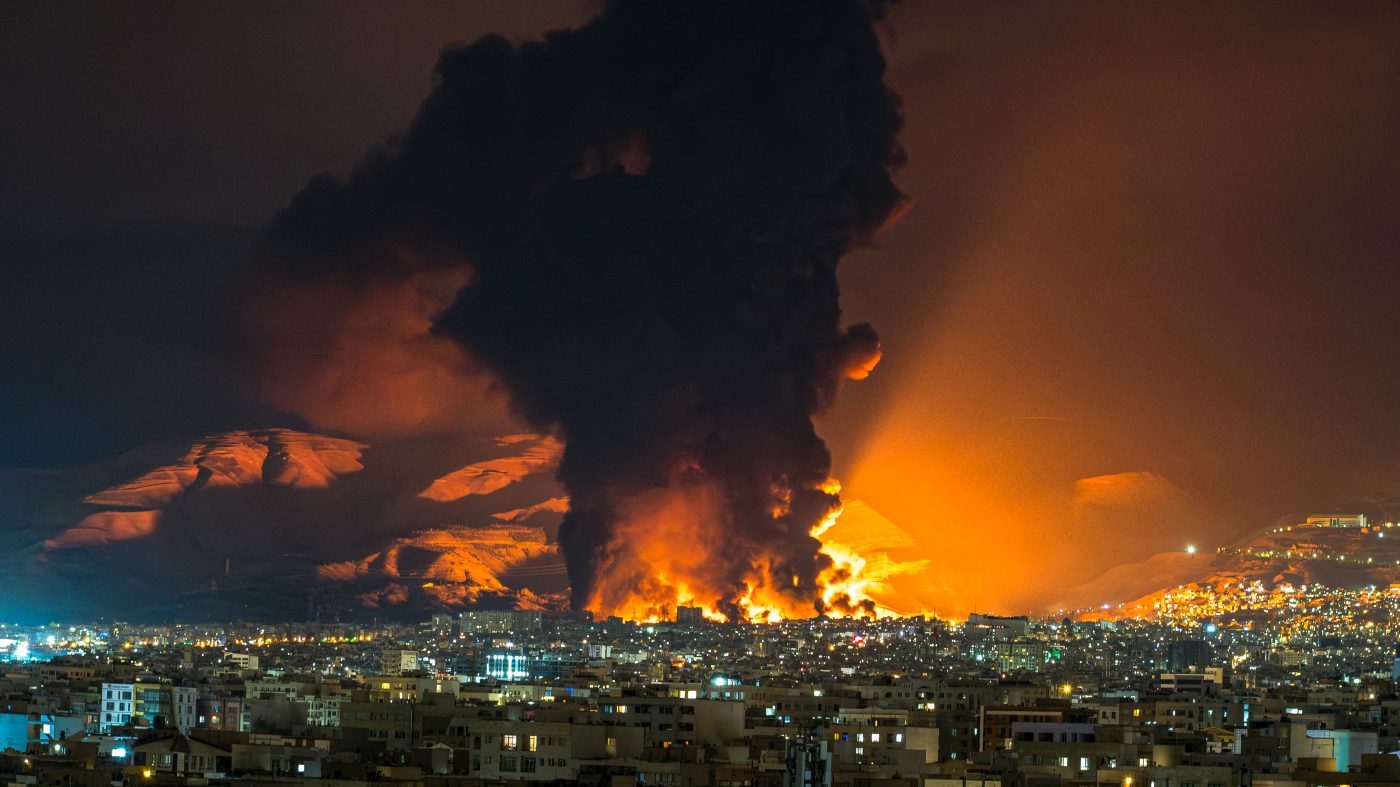
The U.S. State Department issued a stark warning Tuesday, urging American citizens across the Middle East to evacuate the region immediately. The advisory comes as President Donald Trump has threatened to launch a significant bombing campaign against Iranian infrastructure if Tehran does not meet a series of demands by an 8 p.m. Eastern Time deadline.
The U.S. Embassy in Cairo stated on social media that the administration's highest priority is the safety of Americans abroad, prompting the region-wide precautionary message due to "evolving dynamics." This public evacuation call represents a significant escalation in rhetoric and preparedness, moving beyond standard travel warnings.
Escalated Travel Advisories and Consular Suspensions
In response to the heightened threat environment, the State Department raised its travel advisories for Jordan, Oman, Saudi Arabia, and the United Arab Emirates to Level 3, urging citizens to reconsider travel. Egypt remains at Level 2, advising increased caution. The department specifically cited concerns about extremists and Iranian-aligned actors planning attacks, including potential targets on university campuses.
U.S. government employees and private American citizens in Bahrain have been instructed to shelter in place, remaining in secure structures with supplies of food, water, and medication. The U.S. Embassy in Manama has suspended all routine consular services, as have embassies in Saudi Arabia and Kuwait following strikes from Tehran. Americans requiring emergency assistance are directed to contact a 24/7 State Department task force.
Ultimatum and Regional Implications
President Trump's ultimatum demands Iran reopen the strategic Strait of Hormuz or agree to an unspecified deal, threatening that "a whole civilization will die tonight" unless "something revolutionary wonderful" occurs. This direct threat against Iranian infrastructure has sharply increased regional tensions, with the warning issued just weeks before the annual Hajj pilgrimage to Mecca.
The State Department advised religious travelers to reconsider participation in this year's Hajj, noting that from April 18, entry to Mecca will require specific permits. These measures will remain through mid-June, complicating travel for thousands. The timing places additional strain on regional diplomacy and security coordination, as seen in the recent congressional defense of the administration's targeting strategy.
The administration's approach has drawn criticism from some quarters, with senators warning that military action alone cannot achieve strategic objectives. Meanwhile, the White House has explicitly denied considering nuclear options, attempting to clarify the scope of potential retaliation. The geopolitical stakes are further heightened by energy security concerns, as regional instability could exacerbate already record fuel prices affecting the global economy.
This evacuation order marks one of the most comprehensive security directives for Americans in the Middle East in recent years, reflecting administration assessments of imminent retaliatory threats. The situation continues to develop as the presidential deadline approaches, with diplomatic channels reportedly active but outcomes uncertain.