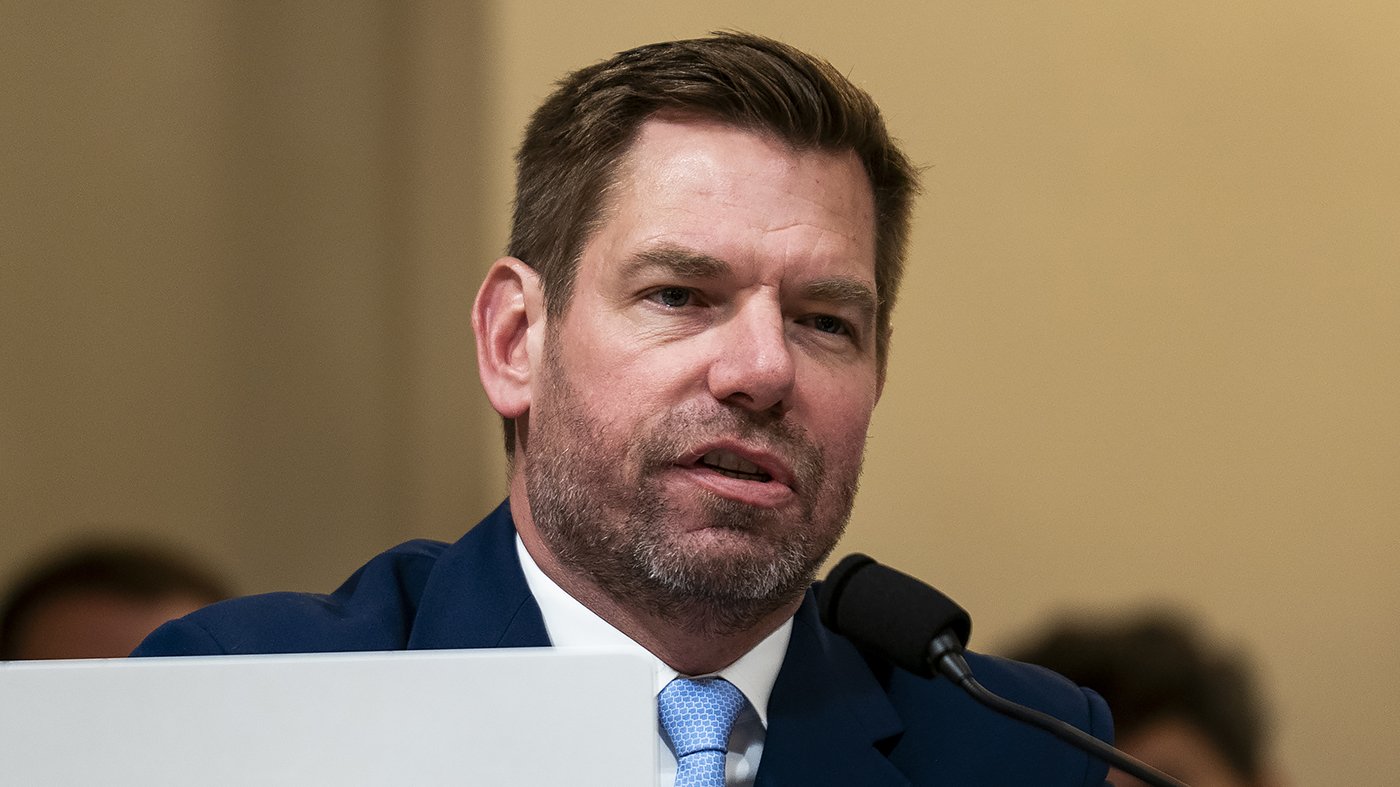
The campaign for Representative Eric Swalwell, a Democratic candidate for California governor, has issued a categorical denial of social media rumors alleging multiple women are preparing to come forward with sexual misconduct claims against the congressman. The allegations surfaced just weeks before the state's critical nonpartisan primary election.
A spokesperson for Swalwell's campaign characterized the claims as a politically motivated fabrication. "This false, outrageous rumor is being spread 27 days before an election begins by flailing opponents who have sadly teamed up with MAGA conspiracy theorists because they know Eric Swalwell is the frontrunner in this race," the spokesperson stated.
The campaign also specifically refuted suggestions that nondisclosure agreements had silenced potential accusers. "In 13 years, no one in Eric Swalwell’s Congressional office has ever been asked to sign an NDA. Ever. In 13 years, not a single ethics complaint by any staff in his office or any other office has ever been lodged. Ever," the spokesperson said, adding that Swalwell has "spent his career fighting for women" and would continue that advocacy as governor.
Sources Signal Impending Allegations
The claims originate from online figures who say they are preparing to publicize the allegations. Cheyenne Hunt, an attorney and executive director of Gen-Z for Change, stated in a social media post that she has been "working with a number of women who are in the process of coming forward and sharing their stories of sexual harassment and even alleged abuse at the hands of Eric Swalwell."
Arielle Fodor, an online education influencer, has also indicated knowledge of women with claims against the congressman. Both Hunt and Fodor have denied being political operatives and have pushed back against the campaign's characterization of their motives. Hunt responded to the campaign's statement by saying, "smearing survivors with claims that they 'teamed up with MAGA' is morally repugnant."
No major news outlet has verified the identities of the alleged accusers or the substance of their claims. The situation echoes other political controversies where public figures forcefully deny allegations amid heated electoral contests.
High-Stakes Political Context
The controversy erupts as Swalwell has recently climbed in polls for the crowded race to succeed term-limited Governor Gavin Newsom. The nonpartisan primary on June 2 will narrow the field to the top two vote-getters for the November general election. Swalwell faces notable opponents including former Representative Katie Porter, billionaire Tom Steyer, former Fox News host Steve Hilton, and Riverside County Sheriff Chad Bianco.
Political analysts note the timing is particularly sensitive, following a separate report last week that the FBI considered releasing files related to a suspected Chinese spy who had contact with Swalwell years ago. The congressman was not accused of wrongdoing in that matter but argued such a release would violate Justice Department guidelines about actions taken close to an election.
In the volatile California electoral landscape, where a splintered Democratic field could inadvertently allow two Republicans to advance from the primary, any significant allegation has the potential to reshape the race. The state last elected a Republican governor in 2006 with Arnold Schwarzenegger's re-election.
Mail ballots for the primary are scheduled to be distributed to voters early next month, compressing the timeline for any campaign to respond to and manage emerging controversies. As candidates make their final appeals, the Swalwell campaign's aggressive denial strategy highlights how modern political battles are increasingly fought over unverified claims circulating on social media as much as through traditional policy debates.