French President Issues Sharp Rebuke of Israeli Military Action
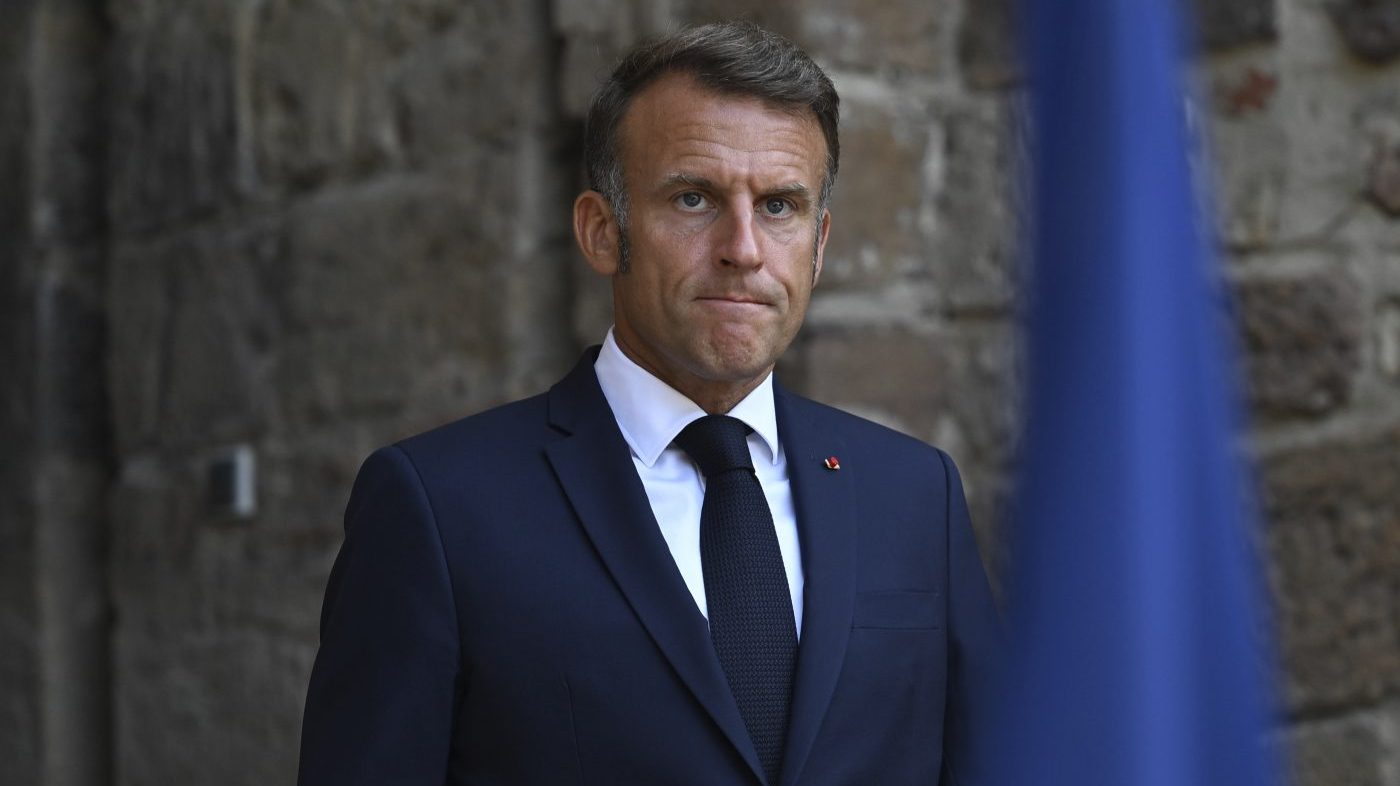
French President Emmanuel Macron issued a forceful condemnation of Israeli military strikes in Lebanon on Wednesday, declaring France's "full solidarity" with Beirut following a major escalation that resulted in significant civilian casualties. Macron revealed he had spoken directly with Lebanese President Michel Aoun and Prime Minister Najib Mikati, marking a significant diplomatic intervention as regional tensions threaten to unravel a newly established ceasefire.
Ceasefire Under Immediate Strain
The French leader's statement comes as a two-day-old U.S.-brokered ceasefire between Washington and Tehran faces immediate strain. The agreement, which took effect Tuesday, appeared increasingly fragile on its first full day as Israel conducted what Lebanese officials described as the largest military operation in the country since the current conflict began. The strikes targeted over 100 sites within ten minutes without warning, according to regional reports.
In his statement posted on social media platform X, Macron said, "We condemn these strikes in the strongest possible terms." He emphasized that the attacks resulted in "a very high number of civilian casualties" and described them as indiscriminate. The French president's language represents one of the strongest Western criticisms of Israeli military actions in Lebanon to date.
Conflicting Interpretations of Ceasefire Terms
The core dispute centers on whether the ceasefire agreement covers hostilities in Lebanon. Pakistan, which helped mediate the talks, has stated that Lebanon was included in the arrangement. However, both Israel and the United States have maintained that the ceasefire specifically excludes the conflict between Israel and the Iranian-backed militant group Hezbollah in Lebanon. This fundamental disagreement over the agreement's scope has created immediate operational confusion and provided diplomatic cover for continued military action.
Macron explicitly challenged this interpretation, asserting that "Lebanon must be fully covered by" the ceasefire. His position aligns with that of Tehran, which has accused the United States of violating the ceasefire terms by allowing the Israeli strikes to proceed. Iranian state media reported Wednesday that Tehran had closed the strategic Strait of Hormuz in response to the attacks on Hezbollah positions, a significant escalation that threatens global energy markets.
Regional Retaliation and Broader Implications
The closure of the Strait of Hormuz represents a major retaliatory step by Iran, directly linking the Lebanese conflict to vital international shipping lanes. This move underscores how quickly localized fighting can trigger broader regional consequences. The strait is a chokepoint for approximately one-fifth of the world's oil shipments, meaning its closure could have immediate effects on global energy prices and supply chains.
Meanwhile, Lebanese officials have characterized the Israeli strikes as representing a "dangerous turning point" in the conflict. The scale and intensity of Wednesday's attacks suggest a significant escalation in Israel's campaign against Hezbollah, which it considers a direct Iranian proxy and an existential threat. The strikes reportedly focused on Hezbollah's military infrastructure but caused substantial collateral damage in civilian areas.
Diplomatic Maneuvering Intensifies
Macron's intervention positions France as a key diplomatic player seeking to stabilize the situation. Historically, France has maintained close ties with Lebanon, a former French protectorate, and frequently positions itself as a mediator in Middle Eastern conflicts. The president's direct communication with Lebanese leadership and his public condemnation of the strikes signal Paris's willingness to adopt a more assertive role, potentially creating friction with both Washington and Jerusalem.
The coming days will test whether the U.S.-Iran ceasefire can withstand this pressure or if the conflict in Lebanon will continue as a parallel theater of operations. With Iran taking retaliatory action and key U.S. allies like France expressing strong objections, the Biden administration faces mounting diplomatic challenges in maintaining the fragile agreement while managing relations with regional partners.