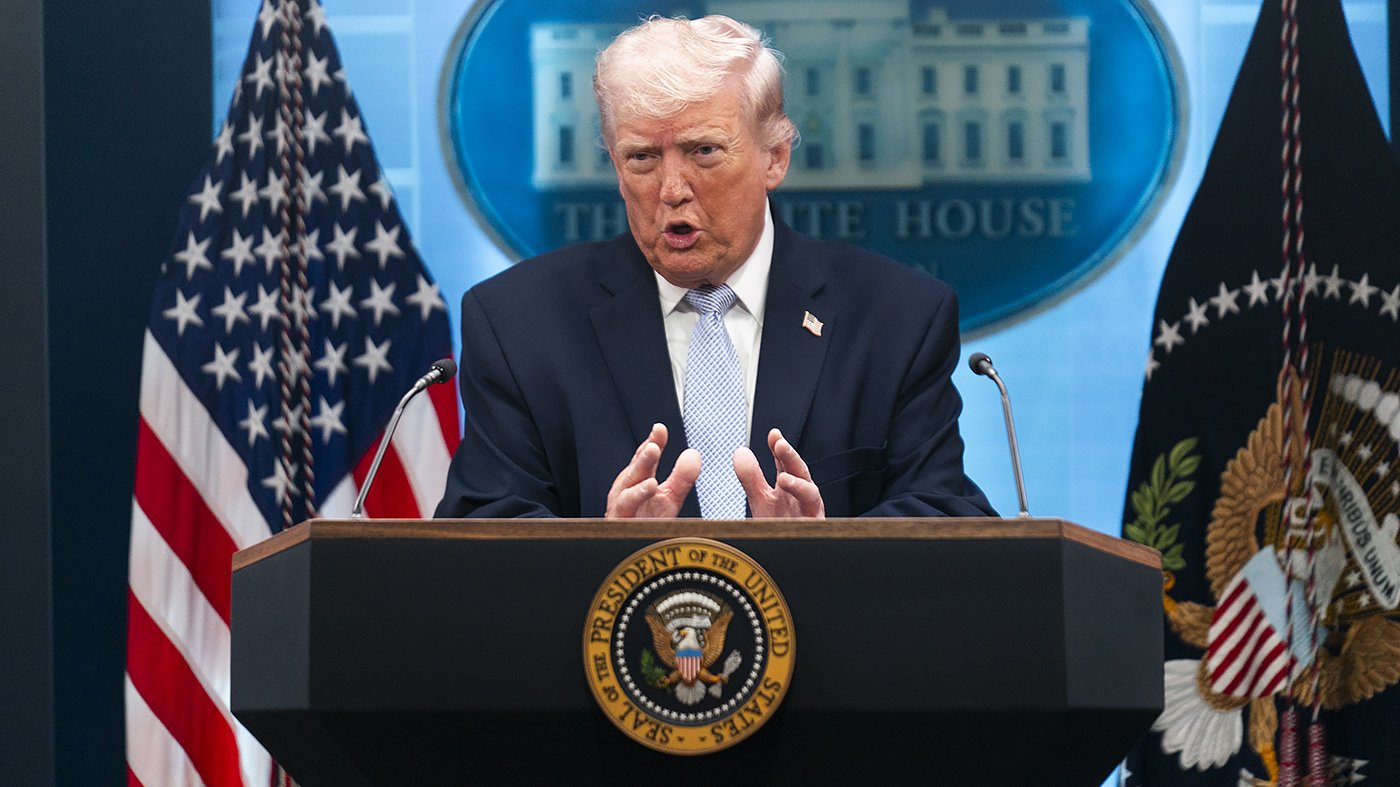
President Donald Trump issued a scathing public rebuke of the NATO alliance on Wednesday, just hours after concluding a two-hour meeting at the White House with NATO Secretary-General Mark Rutte. The broadside, delivered on his Truth Social platform, underscores the administration's escalating frustration with European allies over their military and political support.
"NATO WASN'T THERE WHEN WE NEEDED THEM, AND THEY WON'T BE THERE IF WE NEED THEM AGAIN. REMEMBER GREENLAND, THAT BIG, POORLY RUN, PIECE OF ICE!!!" Trump wrote, reviving his controversial 2019 effort to purchase the autonomous Danish territory. The statement signals that past grievances remain active drivers of his foreign policy approach.
Meeting Amid Deepening Rifts
The sit-down with Rutte occurred against a backdrop of significant strain, primarily stemming from the U.S.-led military engagement with Iran. While Rutte has offered general backing for the conflict, key NATO members have refused direct involvement, denying the U.S. critical basing and overflight rights. This refusal has fueled a narrative within the Trump administration that the alliance operates as a "one-way street," a point emphasized last week by Secretary of State Marco Rubio.
"Ultimately, that's a decision for the President to make, and he'll have to make it," Rubio told Fox News, indicating a formal review of the U.S.-NATO relationship is pending. "But I do think, unfortunately, we are going to have to re-examine whether or not this Alliance... is still serving that purpose, or is it now become a one-way street where America is simply in a position to defend Europe." This sentiment echoes growing congressional concerns about strategic concessions to Iran.
Legal Limits and Lasting Damage
While a full presidential withdrawal from NATO would require congressional approval—a high bar even with unconditional support from some GOP allies—experts warn Trump has broad authority to degrade cooperation unilaterally. European officials have repeatedly stated that the mere threat of U.S. disengagement has already inflicted severe damage on the alliance's credibility and deterrence posture.
The Greenland reference highlights how personal diplomatic spats continue to color strategic discussions. Rutte himself intervened in January to defuse a crisis over the Arctic island, steering Trump away from threats of forceful action during the Davos summit and toward a proposed negotiation framework. The episode demonstrated Rutte's role as a frequent intermediary between a volatile U.S. president and a nervous Europe.
The public attack places Rutte in a difficult position, having just engaged in extended diplomacy at the White House. It also risks further complicating ongoing ceasefire negotiations with Iran, which have already drawn scrutiny from lawmakers like Senator Lindsey Graham. The administration's foreign policy moves, including the Iran conflict, have contributed to a sharp decline in the President's domestic standing, with approval ratings hitting historic lows amid economic fallout.
This latest flare-up ensures that the future of the transatlantic alliance will remain a central and contentious issue, intersecting with critical defense, diplomatic, and political calculations in an election year. The administration's posture suggests a continued willingness to leverage the U.S. commitment to NATO as a tool to demand specific policy concessions from European capitals, a strategy that promises more turbulence ahead for the 75-year-old pact.