Democrat Warns Against Conceding Strategic Waterway Control
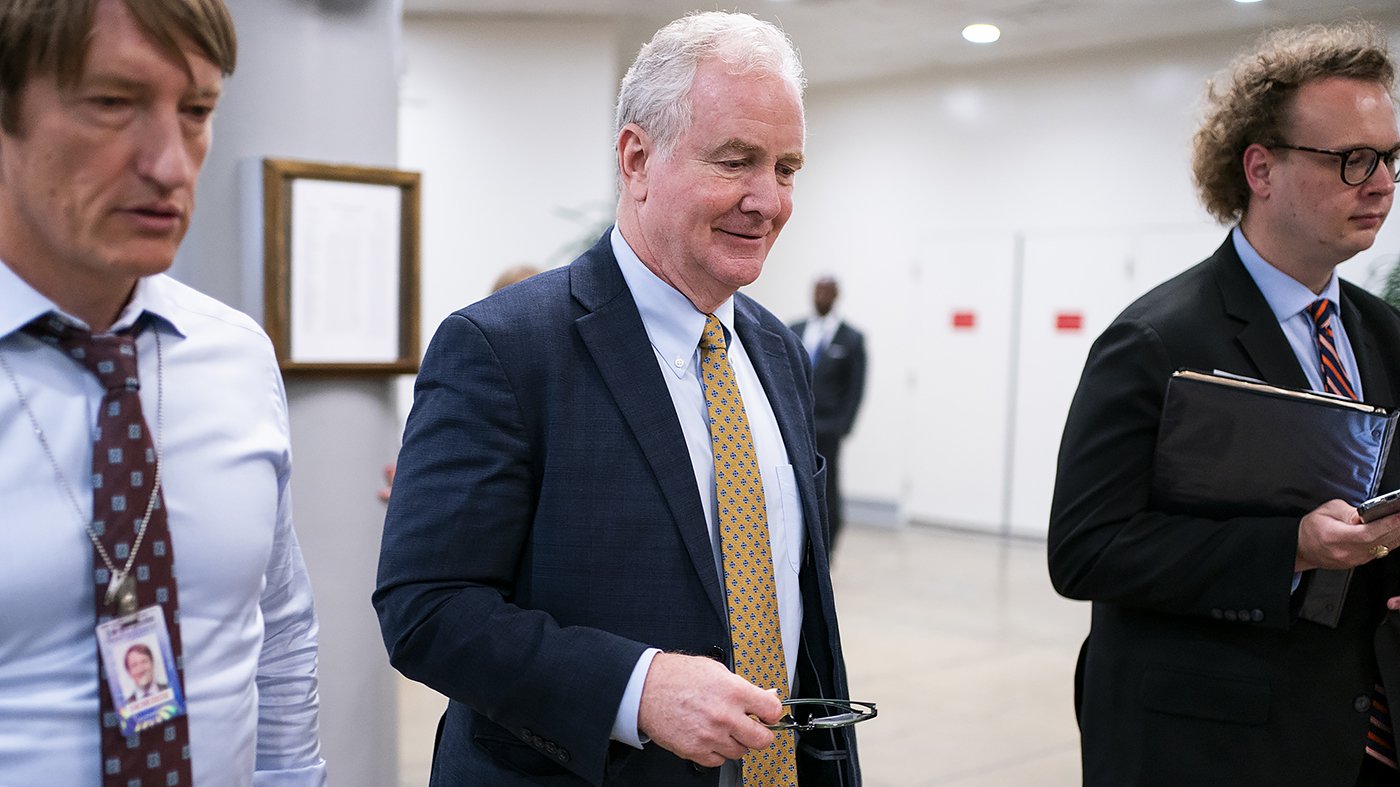
Senator Chris Van Hollen (D-Md.) issued a stark warning Wednesday that any arrangement allowing Iran to collect tolls for passage through the Strait of Hormuz would represent what he termed "an extraordinary win" for Tehran. The Maryland Democrat's comments came in response to President Trump's proposal for a "joint venture" between the United States and Iran to charge vessels transiting the critical global trade chokepoint.
"It would be an extraordinary win for Iran, which, of course, was not charging tolls before the war began," Van Hollen stated during an appearance on CNN's "News Central." The senator emphasized that the fundamental strategic landscape has shifted, noting that "now Iran has clearly established that it can control the strait and is even talking about charging tolls."
Trump's Controversial Proposal
President Trump floated the toll collection idea during discussions about reopening the vital waterway, which Iran closed in retaliation for Israeli strikes on Hezbollah in Lebanon. In a phone interview with PBS Newshour, the president addressed the ongoing conflict in Lebanon, stating "They were not included in the deal. That'll get taken care of too. It's alright," and later characterizing it as "a separate skirmish."
Throughout recent hostilities, Trump has repeatedly advocated for the U.S. to "take" Iran's oil for American profit, suggesting he would prefer an arrangement similar to his administration's takeover of oil operations in Venezuela. The toll proposal represents a shift toward a potential revenue-sharing model rather than outright seizure.
Strategic Costs of the Conflict
Van Hollen, while welcoming the ceasefire agreement that prevented Trump from following through on threats to destroy Iran's "civilization," argued the war has significantly damaged U.S. interests. "I will say, Kate, there was never any doubt that the United States military could obliterate Iran's military. I mean, there was never a question there," the senator told anchor Kate Bouldan. "The question's always been to what purpose, at what cost and at what risk? And if you analyze it at the strategic level there, that's where this is being a big loss."
The lawmaker presented a grim assessment of the war's outcome, stating the country is "worse off today" than when hostilities began. He cited economic disruptions, the human cost of the conflict, and a strengthened Iranian position. "We have a regime in Iran that is more radical, more extreme, more hardline than the one before," Van Hollen asserted. "We, of course, have lost 13 service members, hundreds wounded, thousands of civilians in the region. We are less safe today than when this war started, and we are worse off."
Uncertain Reopening Timeline
The timeline for reopening the Strait of Hormuz remains unclear. Iranian state media has reported that Israel's attacks in Lebanon must cease before Tehran reopens the chokepoint. Meanwhile, Iran has negotiated passage for a limited number of tankers from friendly nations since the war began, along with vessels carrying its own oil exports.
The proposal for toll collection has generated significant debate about the long-term implications for global trade and regional power dynamics. As military analysts have warned, Iran appears to have gained substantial leverage over this critical passage. Furthermore, reports indicate Iran has proposed specific cryptocurrency-based toll mechanisms, suggesting detailed planning for monetizing control of the waterway.
Van Hollen's criticism reflects broader Democratic concerns about the administration's Middle East strategy. While Democratic lawmakers supported the ceasefire to avoid broader conflict, many share the senator's view that the war has diminished American standing and security in the region. This strategic debate occurs alongside ongoing political challenges for both parties as they navigate complex foreign policy and domestic political landscapes.
The future of the Strait of Hormuz—through which approximately one-fifth of the world's oil passes—remains uncertain. Whether it reopens under previous norms, with new toll arrangements, or remains partially restricted will have profound implications for global energy markets and geopolitical stability. The debate over Trump's joint venture proposal highlights fundamental disagreements about how to manage relations with Iran and protect vital American interests in one of the world's most strategically important regions.