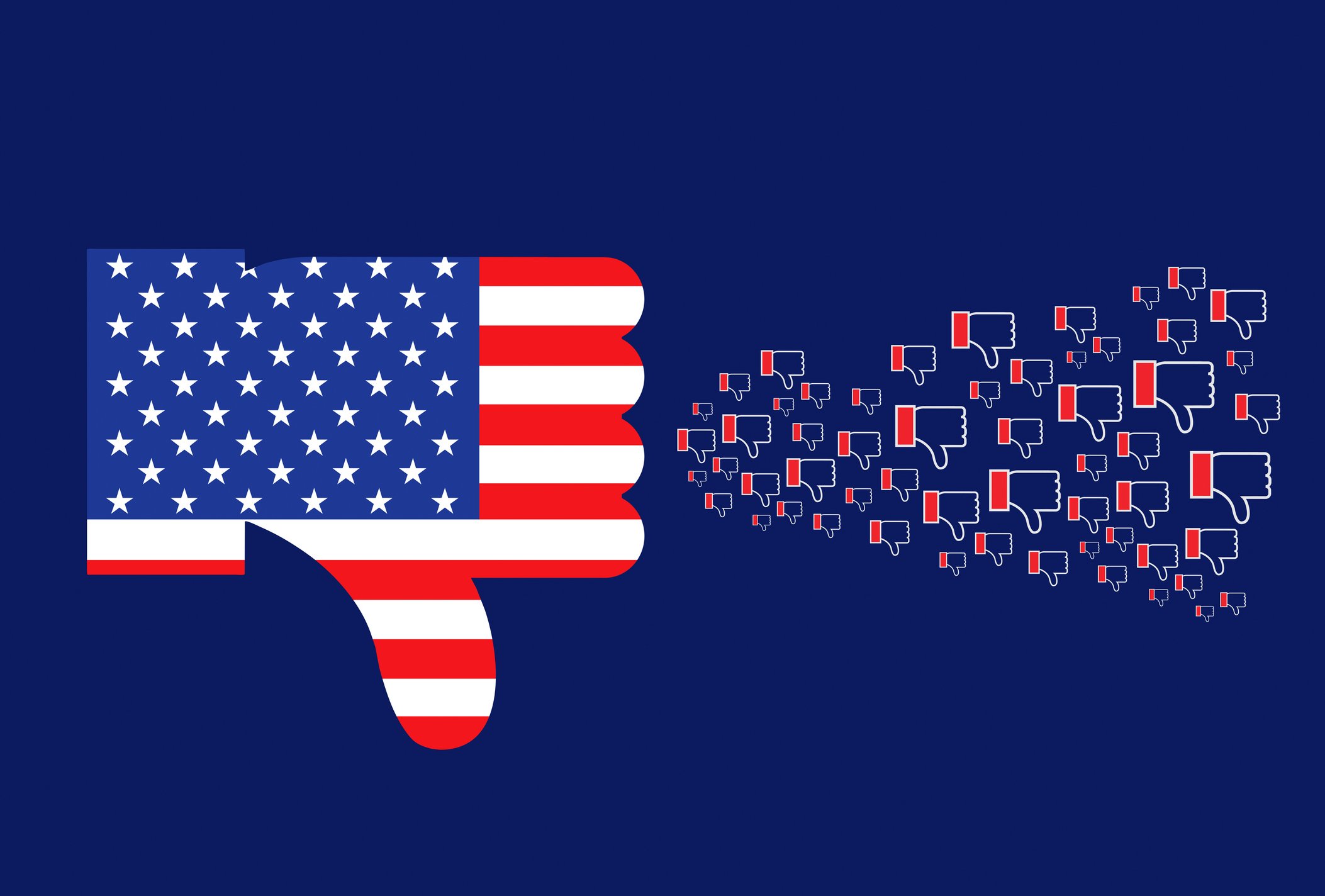
Recent surveys paint a contradictory political landscape. While President Donald Trump's approval ratings have plunged to historic lows, the Democratic Party finds itself unable to capitalize on this vulnerability, with its own public standing remaining weak and stagnant.
The Approval Gap
A YouGov/Economist poll this week placed Trump's net approval at a stark negative 23 points. A separate CNN survey showed similarly poor assessments of his handling of core issues like the economy and immigration. These numbers have fueled Democratic optimism about potential gains in the upcoming midterm elections, including the possibility of reclaiming both chambers of Congress.
However, that optimism may be premature. The same CNN poll reveals a critical complication: the Democratic Party trails the Republican Party in overall approval by four percentage points. At just 28%, Democratic approval is actually lower than it was a year ago, indicating that voter dissatisfaction with Trump is not automatically converting into support for his primary opposition.
Perceptions of Weakness and a Policy Vacuum
Analysts point to a persistent perception problem. Many voters, including a significant portion of the Democratic base, view the party as ineffective and lacking the fortitude to counter the administration's agenda. An Associated Press-NORC poll from last year found Democratic voters themselves describing their party as "weak" and "ineffective," sentiments that appear largely unchanged.
Compounding this is a perceived policy vacuum. Beyond symbolic gestures, such as impeachment discussions targeting Trump or Defense Secretary Pete Hegseth, many voters feel the party has failed to articulate a clear, actionable agenda for governing. This is particularly acute for the millions grappling with economic pressures, from doubled health insurance premiums following the end of Affordable Care Act subsidies to a soaring cost of living. These voters, some of whom supported Trump in 2024, are seeking concrete plans for economic relief, not just opposition.
Potential Pathways Forward
The article suggests several avenues for Democratic renewal. First, embracing a "common-sense populism" focused on tangible economic relief. This could include legislative proposals to curb Wall Street investment in single-family homes, which drives up housing costs, and implementing taxes on large residential portfolios to fund first-time homebuyer credits.
Second, reconnecting with labor by addressing the erosion of manufacturing jobs. Data indicates nearly 100,000 such jobs have been lost since Trump took office. A Democratic Congress could move to repeal tariffs linked to this industrial contraction and restrict future unilateral tariff authority. The party's more effective local leaders, like Virginia Governor Abigail Spanberger, are already successfully framing these affordability issues in accessible terms.
Finally, and perhaps paradoxically, the analysis argues Democrats must center Trump less. Treating him as an ineffective lame duck, rather than the central focus of every political conversation, could allow the party to project a positive, forward-looking vision of leadership beyond mere opposition. This shift is crucial as the administration's foreign policy draws intense scrutiny, particularly regarding its controversial ceasefire and economic proposals involving Iran and the Strait of Hormuz, which have prompted warnings from officials like Ansari about perpetuating a 'crisis cycle'.
Ultimately, the path to rebuilding public trust lies in directly addressing the needs of millions who feel abandoned by partisan warfare. With the administration's focus divided—as seen in domestic budget proposals targeting the TSA workforce and military readiness confirmations from Secretary Hegseth regarding Iran—the opportunity for a compelling alternative narrative exists. Seizing it requires more than criticizing the president; it demands presenting a coherent plan for governance.