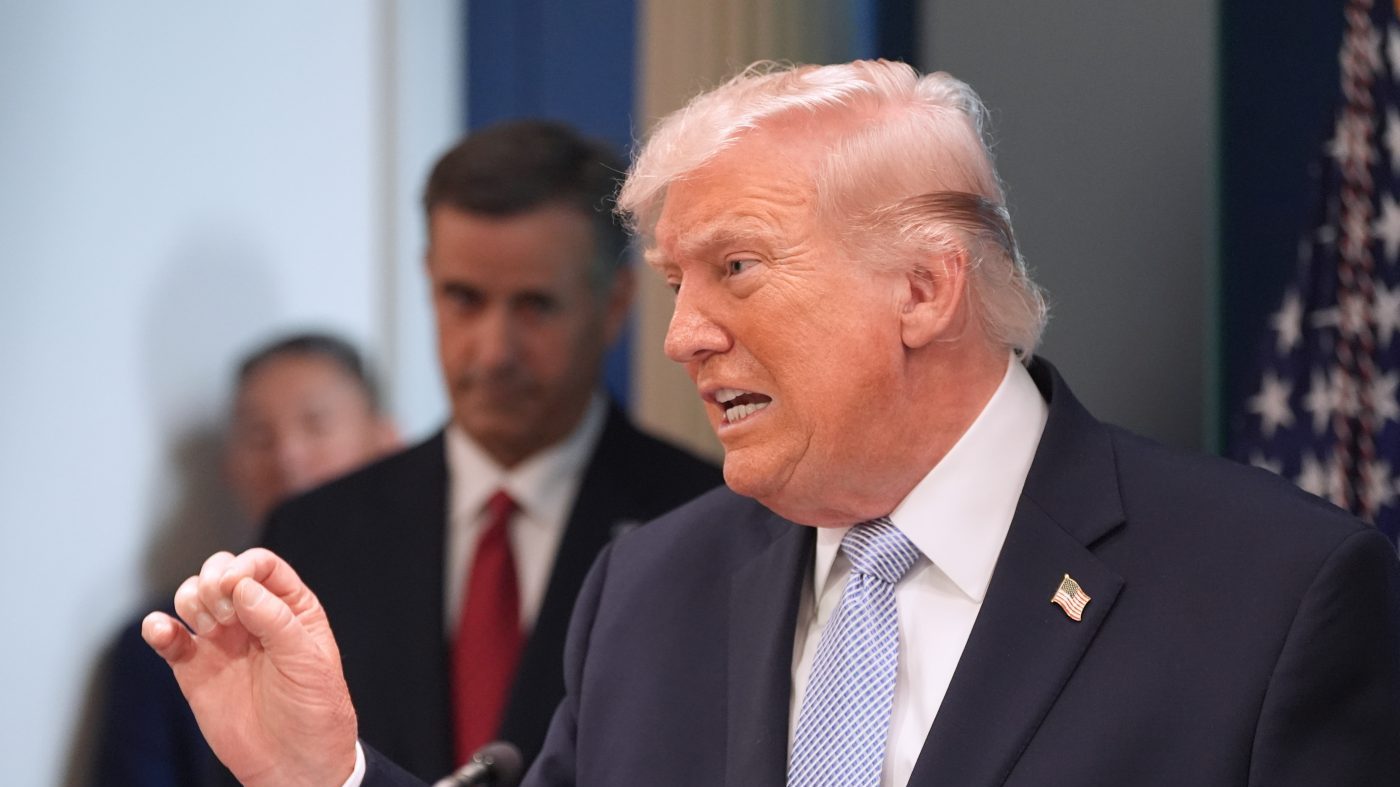
President Donald Trump announced a two-week pause in hostilities with Iran on Wednesday, framing the agreement as a victory for global stability while asserting that the United States stands to gain financially by maintaining a presence in the strategically vital Strait of Hormuz.
In a series of posts on his Truth Social platform, Trump characterized the deal as a "big day for World Peace," claiming that "Iran wants it to happen, they've had enough!" He outlined a vision where the US would assist with maritime traffic in the strait, predicting "lots of positive action" and declaring that "Big money will be made." The president suggested this arrangement would allow Iran to begin reconstruction after sustained US and Israeli bombardments.
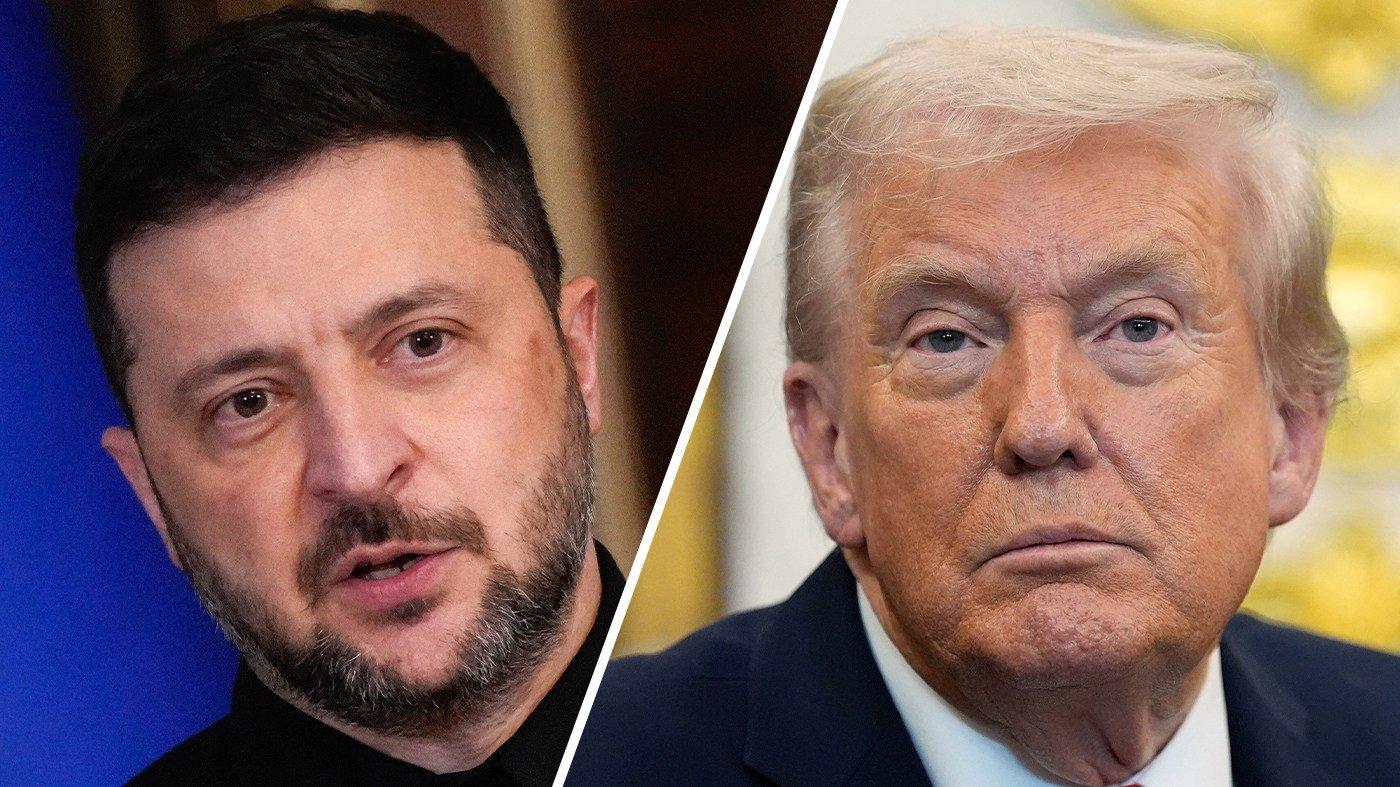
Ceasefire Details and Contradictions
The agreement, mediated by Pakistan, involves the United States, Israel, and Iran. It temporarily halts strikes and allows Iran to reopen the Strait of Hormuz, which it had closed following the outbreak of conflict on February 28. The closure triggered a spike in global oil and gas prices, with the US national average reaching $4.20 per gallon.
However, the ceasefire's implementation remains ambiguous. Trump initially endorsed a 10-point peace plan from Tehran as "workable," but later accused Iran of fraud after a Farsi version indicated the country could continue its uranium enrichment program. The exact start time for the pause is unclear.
Threats Preceding the Deal
The agreement followed an intense pressure campaign by the White House. In the days leading up to the deal, Trump issued an ultimatum with an 8 p.m. EDT deadline, warning that Iran's "whole civilization will die tonight, never to be brought back again" unless a breakthrough occurred. These remarks drew immediate condemnation from lawmakers, with some raising concerns about potential war crimes and others calling for the invocation of the 25th Amendment.
Republican Senator Lisa Murkowski condemned Trump's 'civilization' threat as unacceptable, reflecting growing unease within his own party. The backlash on Capitol Hill has been significant, with at least one Democrat filing impeachment articles over the president's rhetoric.
Regional Fallout and Economic Provisions
In the volatile hours after the deal was announced, missile alerts sounded across Gulf partner nations and Israel. Iranian state media reported an attack on an oil refinery on Lavan Island, a key export terminal. While Pakistan and other nations involved in Israel's campaign against Hezbollah in Lebanon agreed to pause their actions, Israel stated it would continue its military operations there.
A key component of the peace plan, according to a regional officer who spoke to The Associated Press, permits Iran and Oman to levy fees on ships transiting the Strait of Hormuz. Revenue from this proposed tolling system would be directed toward Iranian reconstruction efforts. This prospect had previously drawn a warning from Secretary of State Marco Rubio, who cautioned that such a system would be "illegal" and "dangerous for the world" if established after US objectives were met.
Strategic and Political Repercussions
The announcement places the Pentagon in a position to brief on the ceasefire's specifics and the future US stance. Trump's focus on economic gain from the strait—a chokepoint for roughly one-fifth of the world's oil supply—reframes a national security issue in commercial terms. His statement that the US would be "'hangin' around' in order to make sure that everything goes well" suggests a prolonged, active naval presence.
The episode underscores the administration's unorthodox approach to high-stakes diplomacy, blending severe military threats with boasts of prospective financial windfalls. As the temporary ceasefire begins, questions persist about its durability, Iran's nuclear ambitions, and the long-term strategy for a region Trump optimistically suggested could be entering its "Golden Age."