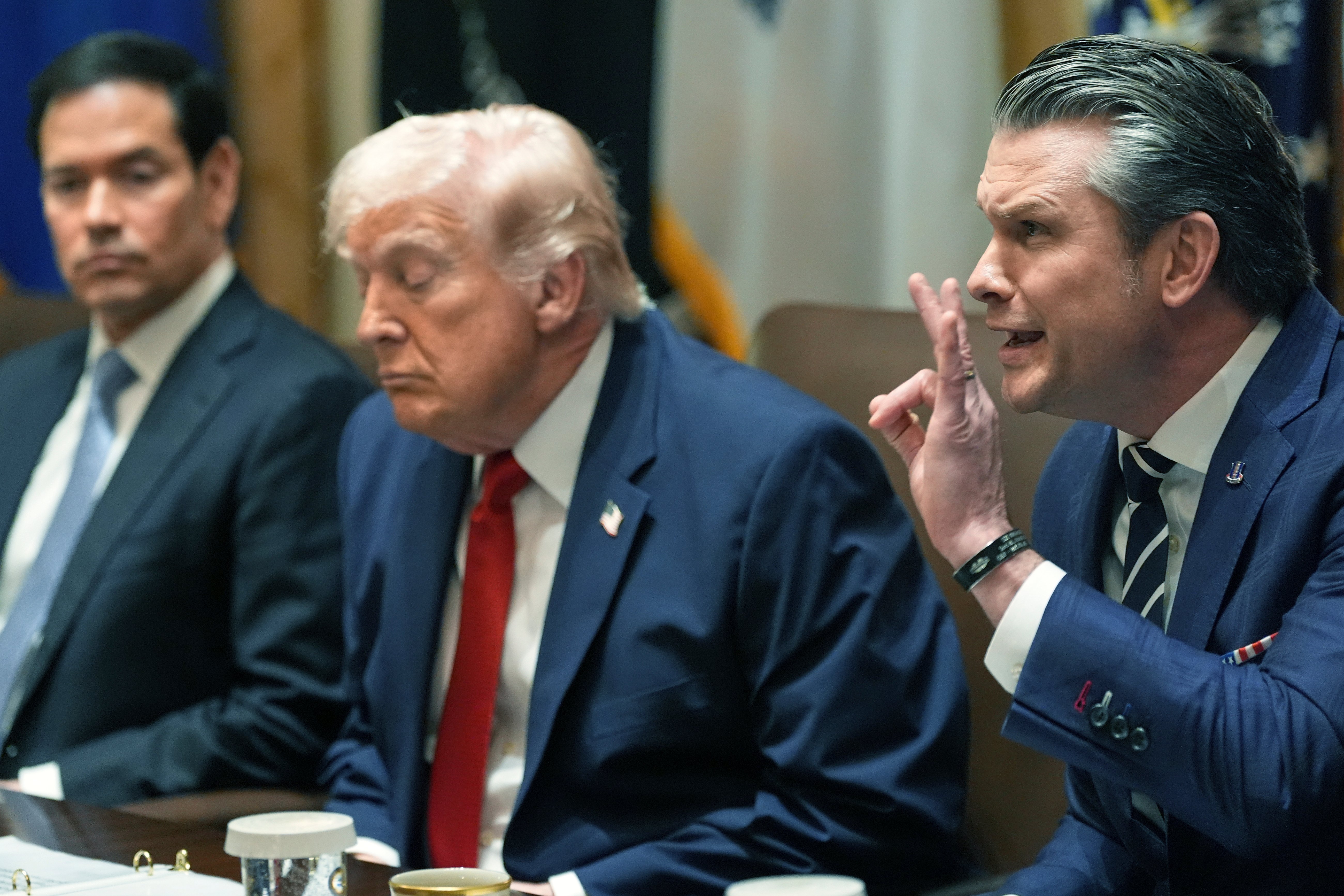
Defense Secretary Pete Hegseth confirmed Wednesday that U.S. military forces were prepared to execute President Donald Trump's threat against Iranian civilian infrastructure, stating assets were "locked and loaded" against a set of targets that included bridges and power plants. The revelation followed a series of escalating statements from the president that warned of devastating consequences for Iran's civilization.
Targets Set for Civilian Infrastructure
During a Pentagon briefing, Hegseth detailed that military planners had identified what he called "legitimate targets," arguing that Iran's regime uses civilian infrastructure for dual purposes to fund its military and regional activities. "We had a target set, locked and loaded, of infrastructure, bridges, power plants," Hegseth told reporters. "Remember, this is a terror regime. The military regime used all of these things for dual use, to fund their military to fund their terror campaigns."
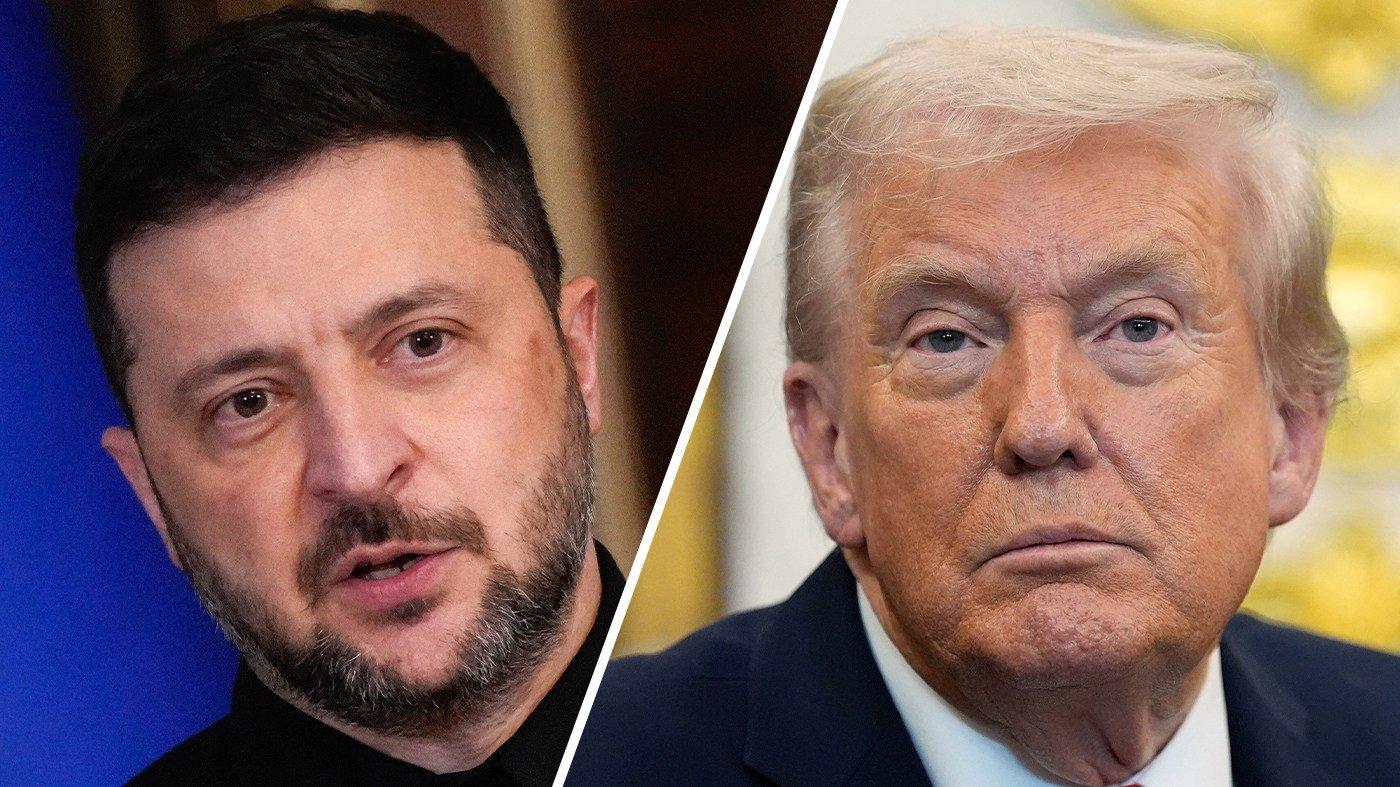
He specifically mentioned Kharg Island, a critical hub for Iranian oil exports, as being in the crosshairs. Hegseth contended that this explicit threat of destroying Iran's energy export capacity is what compelled Tehran to return to negotiations. "That's why they came to the table," he said. "He ultimately said, we can take it all from you. Your ability to export energy will be taken away, and the United States military has the ability to strike those things with impunity."
Trump's Escalating Rhetoric
The defense secretary's comments came in direct response to a social media post from Trump on Tuesday morning. On his Truth Social platform, the president declared that a "whole civilization will die tonight never to be brought back again" unless a "revolutionary wonderful" deal was reached between Washington and Tehran. This followed his earlier threat to bomb Iran "back to the Stone Ages."
Later on Tuesday evening, Trump announced he was resetting the timeline for potential action after Iran agreed to reopen the Strait of Hormuz for two weeks, in exchange for a halt to U.S. and Israeli military strikes. "The reason for doing so is that we have already met and exceeded all Military objectives, and are very far along with a definitive Agreement concerning Longterm PEACE with Iran, and PEACE in the Middle East," the president stated. This ceasefire and the subsequent diplomatic maneuvering, including Trump's proposal for a joint economic venture in the Strait, marked a sharp pivot from the earlier brinkmanship.
Bipartisan Alarm Over Potential War Crimes
The explicit targeting of civilian infrastructure prompted immediate and severe backlash. Democratic lawmakers and some foreign policy experts raised alarms that such strikes could constitute war crimes, leading several members of Congress to call for invoking the 25th Amendment to remove the president from office. The controversy is detailed further in our report on the legal and ethical concerns surrounding these threats.
Criticism was not confined to one party. Senator Lisa Murkowski (R-Alaska) and Representative Nathaniel Moran (R-Texas) were among the Republicans who publicly disagreed with the president's warning. This internal GOP dissent highlights the divisive nature of the administration's maximum-pressure campaign against Iran.
Strategic Context and Regional Leverage
Hegseth framed the military threat as a successful application of leverage, forcing Iran to the negotiating table. He argued that Tehran finally "understood" that its capacity to generate power and revenue was held at the discretion of the U.S. commander-in-chief. This episode is part of a broader pattern of crisis diplomacy that some analysts warn creates a dangerous cycle. As noted in a related analysis of the administration's tactics, this approach risks miscalculation even as it seeks concessions.
The situation also unfolds against a backdrop of strained alliances. The recent meeting between Trump and NATO Secretary-General Mark Rutte occurred as the alliance grapples with the Iran crisis and questions about its own future cohesion. Hegseth and other officials are scheduled to provide further details on the U.S. stance following the president's decision to pause strikes, as the Pentagon prepares for a comprehensive briefing.
The administration now appears to be shifting from military threats to diplomatic and economic proposals, including a ban on uranium enrichment and the potential for joint ventures. However, Hegseth's stark confirmation of readiness to attack civilian targets ensures that questions about proportionality, international law, and strategic escalation will dominate the political discourse surrounding U.S.-Iran relations for the foreseeable future.