
Defense Secretary Pete Hegseth and Chairman of the Joint Chiefs of Staff Dan Caine are set to address the press Wednesday morning regarding the U.S. military posture toward Iran. The briefing follows President Donald Trump's announcement of another temporary halt to planned strikes against Tehran, a move he directly tied to ongoing diplomatic negotiations.
Trump's Deadline and Rationale
President Trump revealed the pause in a post on his Truth Social platform, coming less than two hours before an 8 p.m. EDT deadline for Iranian compliance. The president asserted that military objectives had not only been met but exceeded, and that Washington is "very far along with a definitive Agreement concerning Longterm PEACE with Iran, and PEACE in the Middle East." He characterized Tehran's latest diplomatic proposal as a "workable basis on which to negotiate."
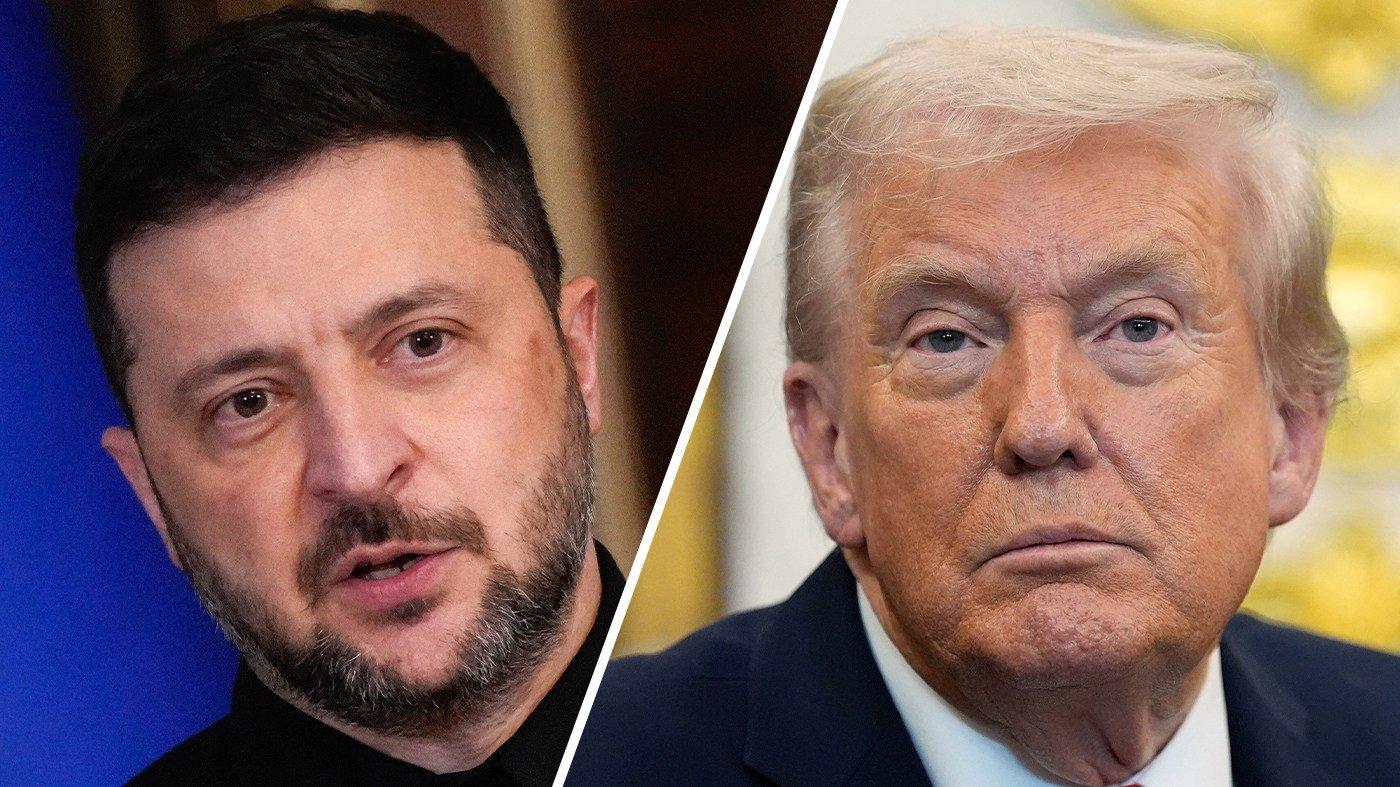
The administration's approach has been marked by severe rhetoric, including Trump's recent threats against Iranian civilian infrastructure, which have sparked significant legal and ethical concerns over potential war crimes. This language faced immediate backlash from members of Congress on Tuesday, including from within his own party, as the deadline loomed.
Political and Strategic Context
The decision to pull back from immediate military action occurs amid a complex political landscape. Some lawmakers are moving to check presidential war powers, with Representative Henry Cuellar reportedly shifting to support a War Powers Resolution concerning Iran. Furthermore, Senator Lisa Murkowski publicly condemned the president's threatening language toward Iran as unacceptable.
The strategic calculus may involve broader regional deals. Some analysts suggest that leveraging movement on Palestinian statehood could be a key component of securing a lasting agreement with Tehran. The situation also tests NATO cohesion, as allies grapple with the crisis and its implications for the alliance's future.
Internally, the administration continues to pursue a distinct policy agenda. This includes a controversial 2027 budget proposal seeking major cuts to the TSA workforce to accelerate privatization, even as it navigates high-stakes international conflict.
Implications and Next Steps
The Pentagon briefing, scheduled for 8 a.m. EDT, is expected to provide the military's assessment of the situation in the Strait of Hormuz and detail the status of U.S. forces in the region. Officials will likely face pointed questions about the operational impact of the pause and the credibility of the Iranian proposal.
The president's claim of a near-complete peace agreement represents a potentially dramatic shift in a decades-long adversarial relationship. However, it follows a pattern of escalated tension, including Trump's recent declaration of a ban on Iranian uranium enrichment and a proposal for a joint venture in the Strait of Hormuz. Success or failure in these talks will have profound consequences for global energy markets, non-proliferation efforts, and the balance of power in the Middle East.
The political fallout in Washington is already intensifying. The president's rhetoric and actions have prompted a House Democrat to file articles of impeachment, arguing the war threats constitute an abuse of power. How the administration manages the next phase of diplomacy, under the shadow of resumed military threats, will be a defining test of its foreign policy.