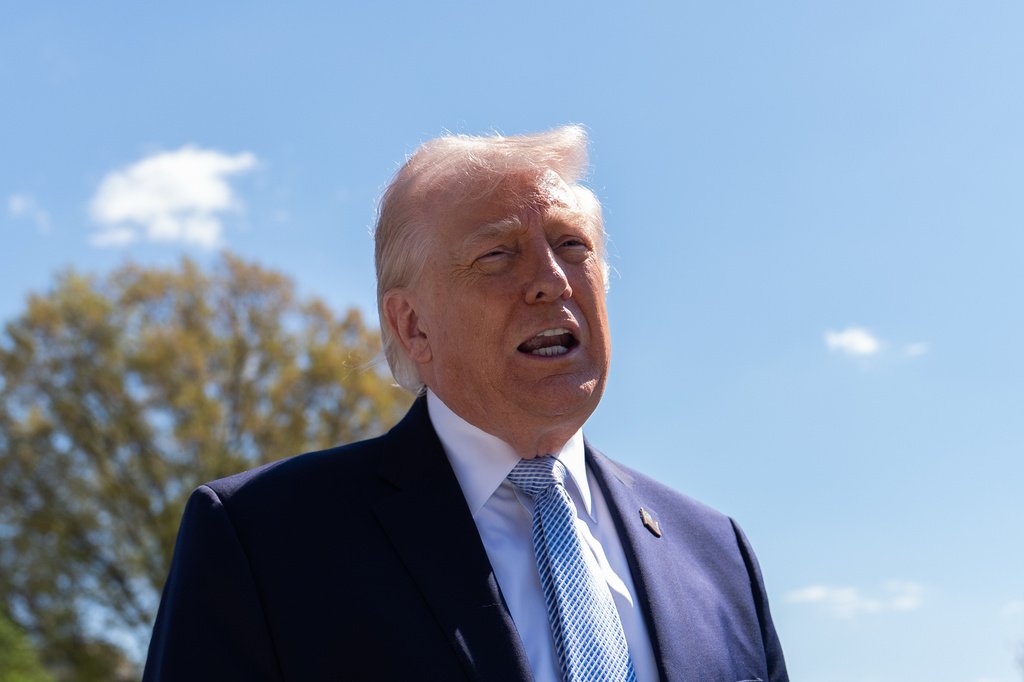
A new national survey reveals President Trump's political standing has reached a historic nadir, with his net approval rating sinking to negative twenty-three percent. This collapse in public support follows his controversial decision to initiate military action against Iran one month ago, a conflict that has triggered rising fuel costs and intensified inflationary pressures across the American economy.
Public Rejects a "War of Choice"
The conflict with Iran represents a defining political failure for the administration. Polling indicates Americans oppose the war by a two-to-one margin, with skepticism cutting across nearly all demographic groups. Analysts characterize the engagement as a "war of choice" rather than one of necessity, noting the administration failed to establish a compelling casus belli or demonstrate an imminent threat to national security. Unlike responses to events like Pearl Harbor or the 9/11 attacks, this conflict has not galvanized public patriotism, leaving the president without the foundational support typically required for sustained military action.
Compounding the problem is a significant erosion of presidential credibility. A majority of Americans now believe the White House has not provided accurate information regarding the war's progress. This trust deficit could widen further; polling shows only one in six citizens supports deploying U.S. ground forces to Iranian territory, a move the administration has not ruled out. The decision-making process itself has drawn scrutiny, particularly after Secretary of State Marco Rubio suggested U.S. involvement followed Israel's lead—a dynamic that critics argue inverts proper alliance management.
Economic Shockwaves Hit Home
The most immediate consequence for Americans is economic. The war has disrupted global energy markets, driving a national average increase of one dollar per gallon in gasoline prices since hostilities began. This spike has cascaded through the economy, prompting major shippers like Amazon and UPS to add transportation surcharges, while skyrocketing jet fuel costs presage higher prices for consumer goods. The administration's recent strikes on Iranian refining facilities on Kharg Island threaten to intensify this inflationary cycle.
This economic pain strikes at core promises of Trump's 2024 campaign platform. The president pledged to reduce prices for consumers and to pursue an "America First" foreign policy. The war has directly contradicted both vows, creating a potent political liability. Furthermore, his proposed fiscal 2027 budget, which seeks a forty percent increase in Pentagon spending to $1.7 trillion while cutting vital non-defense programs, underscores a policy priority at odds with public desire for economic relief.
Strategic and Diplomatic Isolation
The administration finds itself increasingly isolated. The conflict has effectively ended any near-term prospects for a durable Middle East peace, a goal the president has publicly coveted. Diplomatic efforts, such as the fragile ceasefire praised by Pope Leo XIV, remain precarious. Meanwhile, the president's governing approach continues to draw fire; his cabinet management style is criticized as erratic, and his dismissal of regional complexities, such as labeling Lebanese strikes a "separate skirmish," has drawn concern from allies and analysts alike.
Criticism is not confined to foreign policy circles. Figures like commentator Megyn Kelly have blasted the president's rhetoric as "disgusting," while legislative experts warn that proposals like a Strait of Hormuz toll could hand Iran a strategic victory. The White House faces ongoing scrutiny on other fronts, including whistleblower allegations of a major data breach at the Social Security Administration.
With public opposition entrenched and economic consequences mounting, the Iran war has become an anchor on the Trump presidency. The record-low approval ratings reflect a fundamental rejection of the conflict's justification and its tangible impact on American households. As the administration prepares for a critical NATO meeting following a White House briefing, it does so from a position of profound domestic weakness, having traded political capital for a military engagement the public never supported.