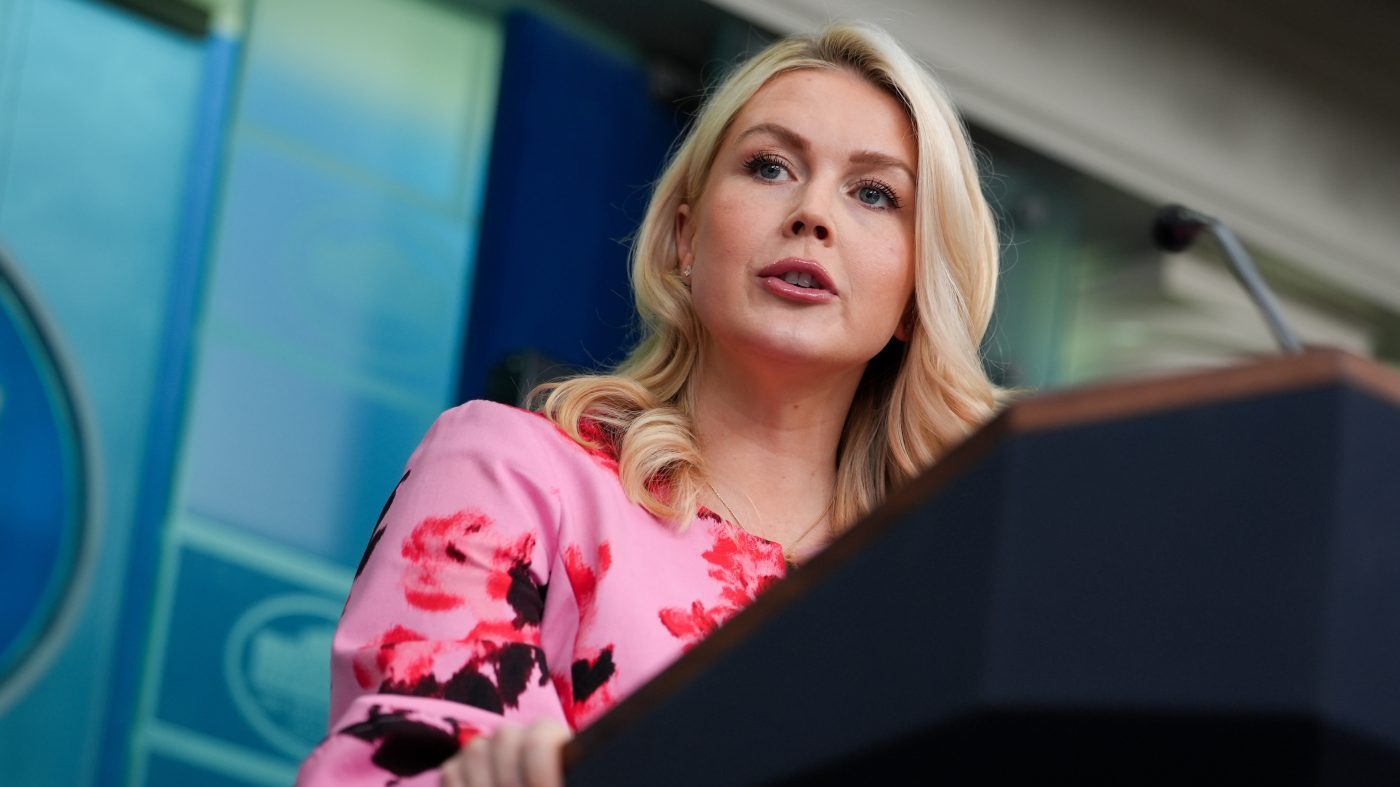
White House Press Secretary Karoline Leavitt is set to address reporters Wednesday afternoon, navigating a complex diplomatic landscape defined by a fragile new ceasefire with Iran and looming questions about the future of the NATO alliance.
The briefing follows President Donald Trump's announcement of a two-week pause in escalating military strikes against Iran. Earlier Wednesday, Trump characterized the recent U.S. operation as a "complete and total victory," citing Tehran's agreement to a temporary ceasefire that includes reopening the critical Strait of Hormuz. The deal was reportedly secured less than two hours before a presidential deadline, which Trump had framed Tuesday with the stark warning that a "whole civilization will die tonight."
Ceasefire Details and Immediate Reactions
The hastily arranged agreement has drawn immediate scrutiny from regional allies and critics. While the administration frames it as a victory, reports from the Gulf suggest hostilities may not have fully ceased, casting doubt on the deal's immediate implementation. Furthermore, the ceasefire notably excludes other regional conflicts, such as the escalating tensions between Israel and Hezbollah in Lebanon.
Financial markets reacted swiftly to the news, with oil prices tumbling on the prospect of reduced disruptions in the Strait of Hormuz. However, the proposal from Iran to institute a cryptocurrency-based toll for passage through the strait introduces a new layer of economic and strategic uncertainty to the situation.
A Pivotal NATO Meeting Looms
Later today, President Trump is scheduled to meet with NATO Secretary-General Mark Rutte at the White House. This engagement occurs against a backdrop of the President's renewed threats to withdraw the United States from the transatlantic defense pact, a cornerstone of post-war security policy.
The timing juxtaposes a unilateral diplomatic maneuver in the Middle East with a potential crisis in America's oldest military alliance. Analysts expect Trump to pressure NATO members on defense spending and strategic priorities, using the threat of withdrawal as leverage. This meeting will be closely watched for signals regarding the U.S. commitment to collective defense ahead of the alliance's summit next month.
Broader Strategic Implications
The dual focus of the day—Iran and NATO—highlights the Trump administration's transactional and often confrontational approach to foreign policy. The Iran ceasefire, described by some critics as a strategic failure that could bolster terror financing, remains precarious. Simultaneously, the President's rhetoric toward NATO continues to unsettle European capitals and defense officials who warn that Iran maintains a strategic advantage in the Strait of Hormuz regardless of temporary pauses.
Domestically, the President's "civilization" threat has sparked condemnation from figures like commentator Megyn Kelly, who labeled the rhetoric "disgusting." The administration has also clashed with media outlets over the reporting of the ceasefire terms, with Trump accusing CNN of fraud regarding its initial statements, a charge the network has forcefully denied.
As the White House briefing commences, Press Secretary Leavitt will face questions on the sustainability of the Iran deal, the administration's next steps should it collapse, and the President's agenda for the NATO meeting. The outcomes of both situations will have significant ramifications for global energy markets, Middle Eastern stability, and the future of Western military cooperation.