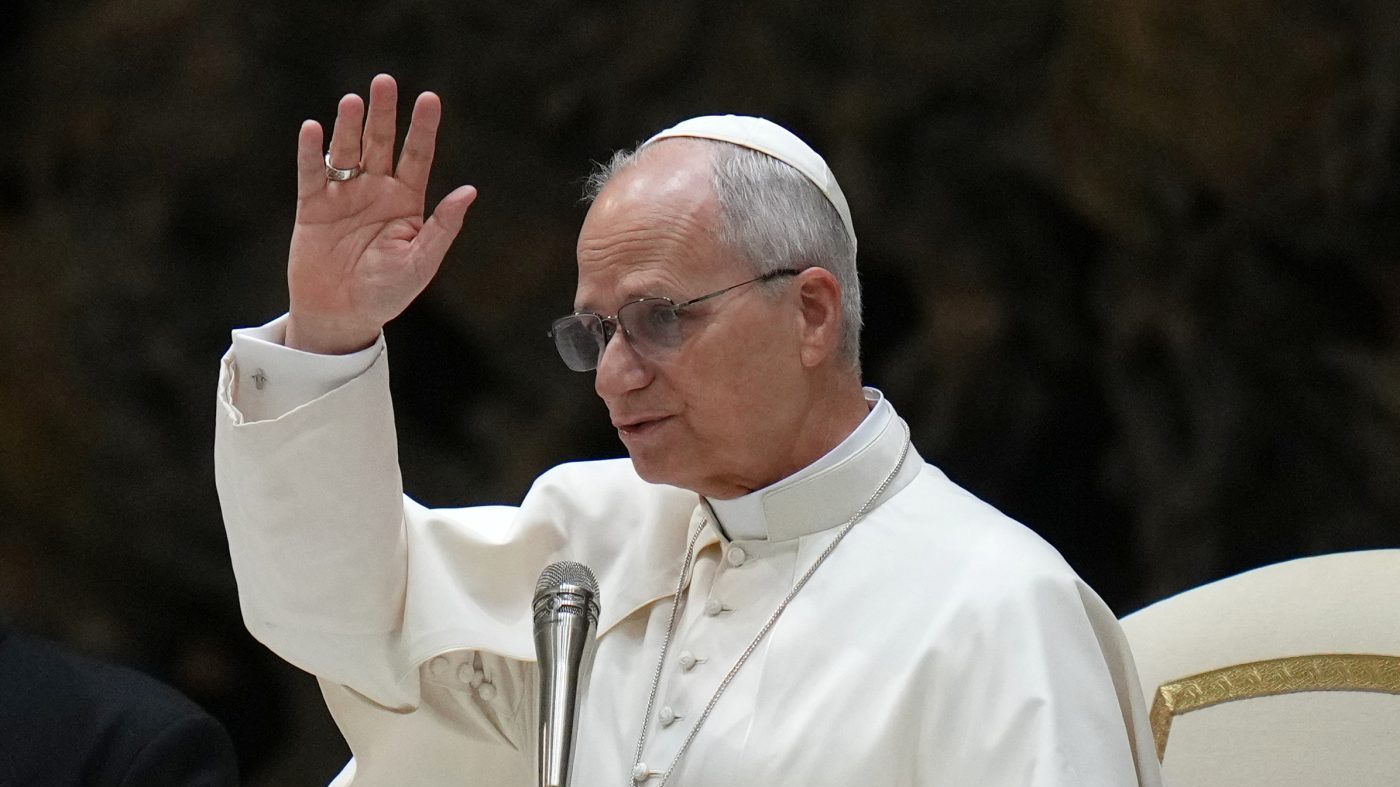
Pope Leo XIV publicly endorsed the temporary ceasefire between the United States and Iran on Wednesday, framing the diplomatic pause as a significant development offering profound hope for peace. Speaking to followers in St. Peter's Square, the pontiff stated he received the news with clear satisfaction, according to Vatican translations.
Context of Criticism Precedes Praise
The papal approval follows direct condemnation from the Vatican just one day prior. On Tuesday, Pope Leo XIV had labeled President Trump's ultimatum to Tehran as "truly unacceptable." The president had threatened to destroy "a whole civilization" if Iran did not meet U.S. demands by a Tuesday evening deadline. The Pope framed the threat not merely as a legal issue, but as a fundamental moral question concerning the welfare of the Iranian people.
President Trump announced the two-week cessation of hostilities shortly before his deadline expired. In a post on Truth Social, he stated the pause would allow both nations to negotiate based on a ten-point peace proposal put forward by Iran, claiming the long-term regional problem was nearing resolution.
Immediate Skepticism and Continued Strikes
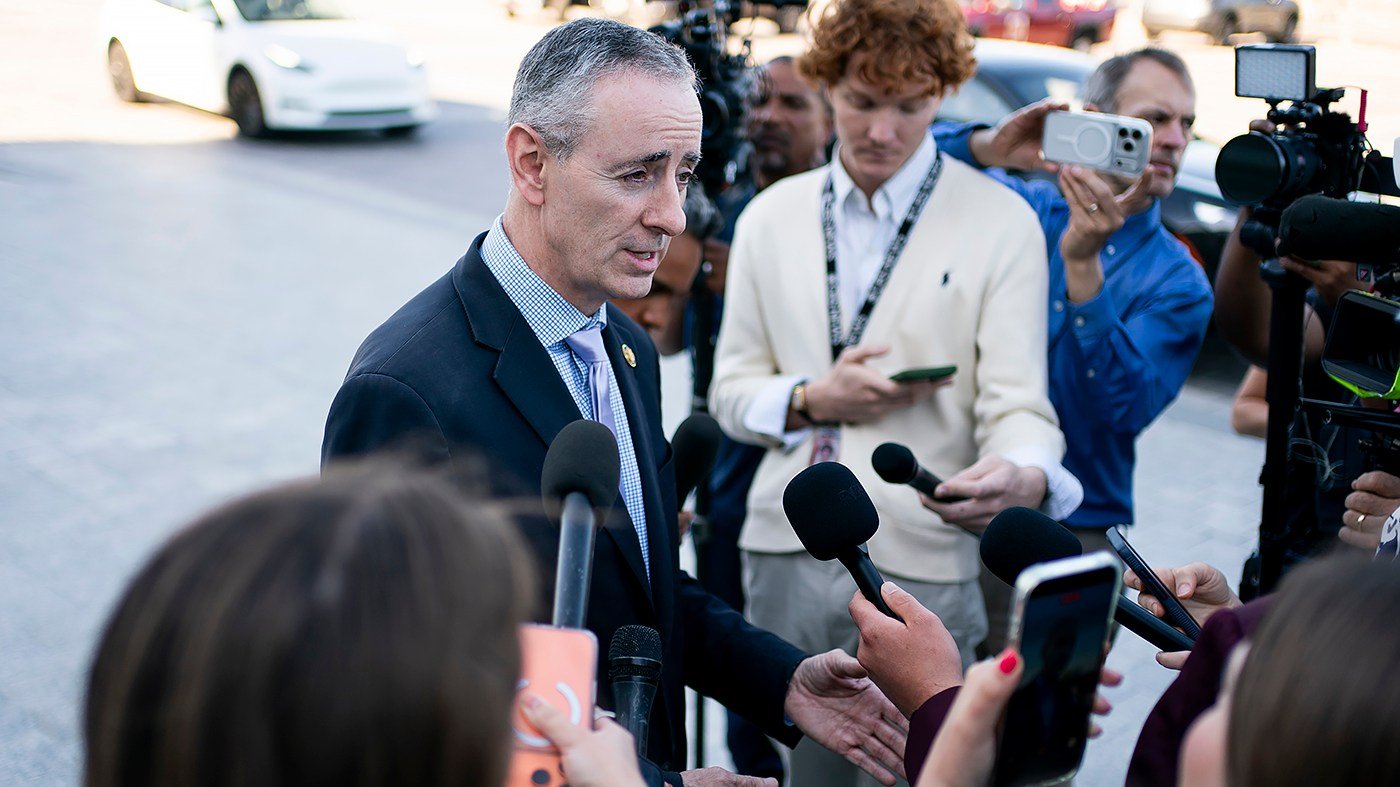
While U.S. Defense Secretary Pete Hegseth claimed an "overwhelming victory," the deal's durability was immediately questioned. Reports emerged that several U.S.-allied Gulf nations experienced strikes from Iran after the ceasefire was declared. This prompted skepticism from figures like Republican Congressman Don Bacon, who publicly doubted the agreement's existence and warned the U.S. retained further military options if attacks persisted.
The Pope, in his Wednesday address, explicitly called for both nations to "return to the negotiating table" to find a permanent end to the conflict. He asked the faithful to pray for the success of these talks, hoping the spirit of dialogue could become a model for resolving other global conflicts.
The fragile nature of the ceasefire is underscored by regional complexities, including escalating tensions between Israel and Hezbollah, which were notably excluded from the US-brokered pause. Furthermore, analysts point to Iran's enduring leverage, such as its strategic control over the critical Strait of Hormuz, a vital global oil chokepoint.
The announcement triggered immediate financial repercussions, with global markets reacting sharply and oil prices falling on the news of the temporary de-escalation. The White House is scheduled to brief on the situation ahead of President Trump's planned NATO meeting, indicating the ceasefire's central role in immediate foreign policy agenda.
Domestically, the president's earlier "civilization" threat drew fierce criticism from commentators like Megyn Kelly, who labeled the rhetoric as "disgusting," highlighting the polarized reception to the administration's strategy. Meanwhile, former Russian President Dmitry Medvedev noted Iran's geographic position provides it with an "inexhaustible" strategic weapon, suggesting the underlying power dynamics remain unchanged.
As the two-week window begins, the world watches to see if this diplomatic opening, welcomed by the Pope as a beacon of hope, can evolve into a more stable and lasting peace, or if it will collapse under the weight of mutual distrust and regional volatility.