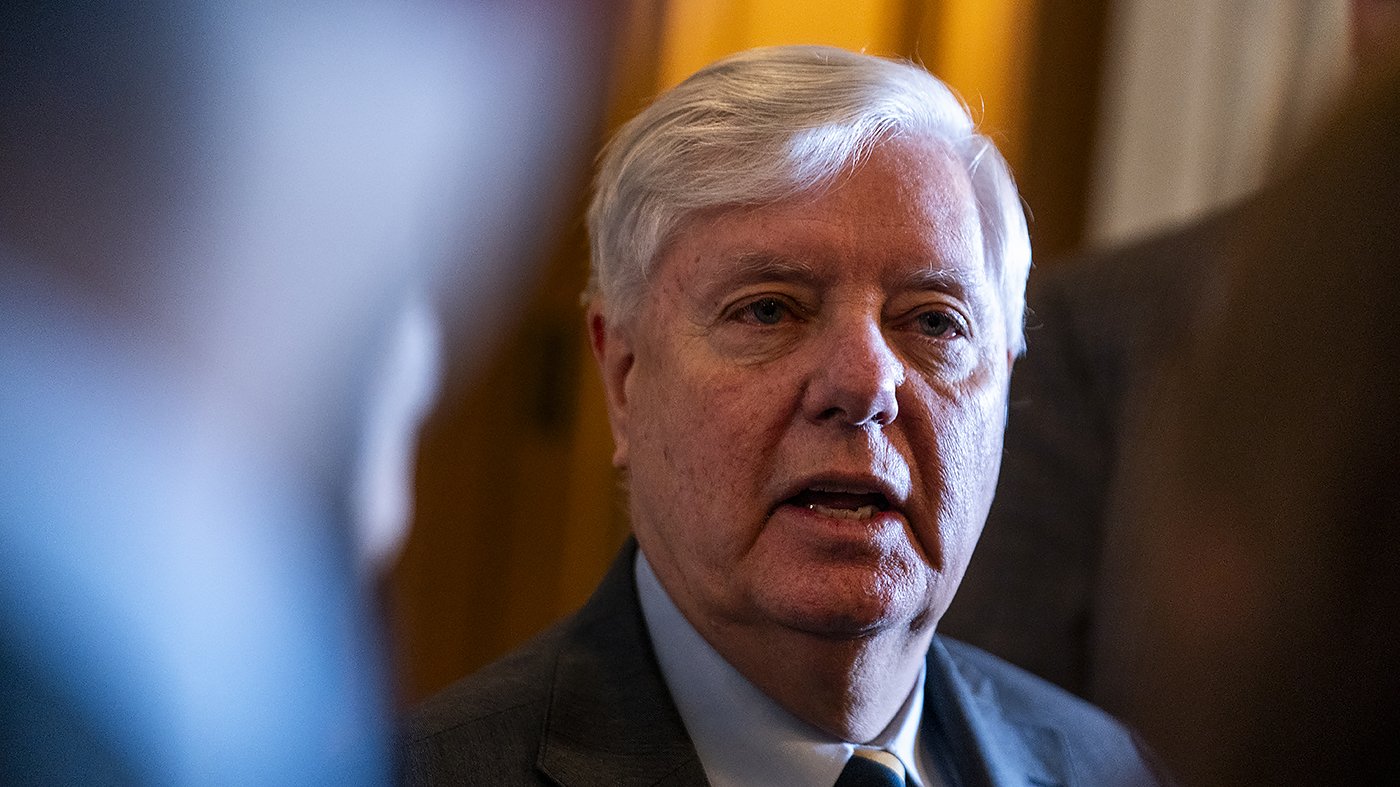
Senator Lindsey Graham, a prominent Republican voice on foreign policy, has voiced significant concerns about the emerging diplomatic framework intended to permanently end hostilities between the United States and Iran. His critique follows President Trump's announcement of a two-week suspension of military strikes against Iran, a pause the president said is conditional on Tehran reopening the strategic Strait of Hormuz.
Graham Seeks Congressional Scrutiny
In a statement posted on social media, Graham stated that while a diplomatic resolution to counter Iran's regional activities remains the preferred goal, the current negotiating text raises red flags. "The supposed negotiating document, in my view, has some troubling aspects, but time will tell," the South Carolina senator wrote. He emphasized that he expects the architects of the proposal, including Vice President Vance, to appear before Congress to detail how any final agreement would secure American national security interests regarding Iran.
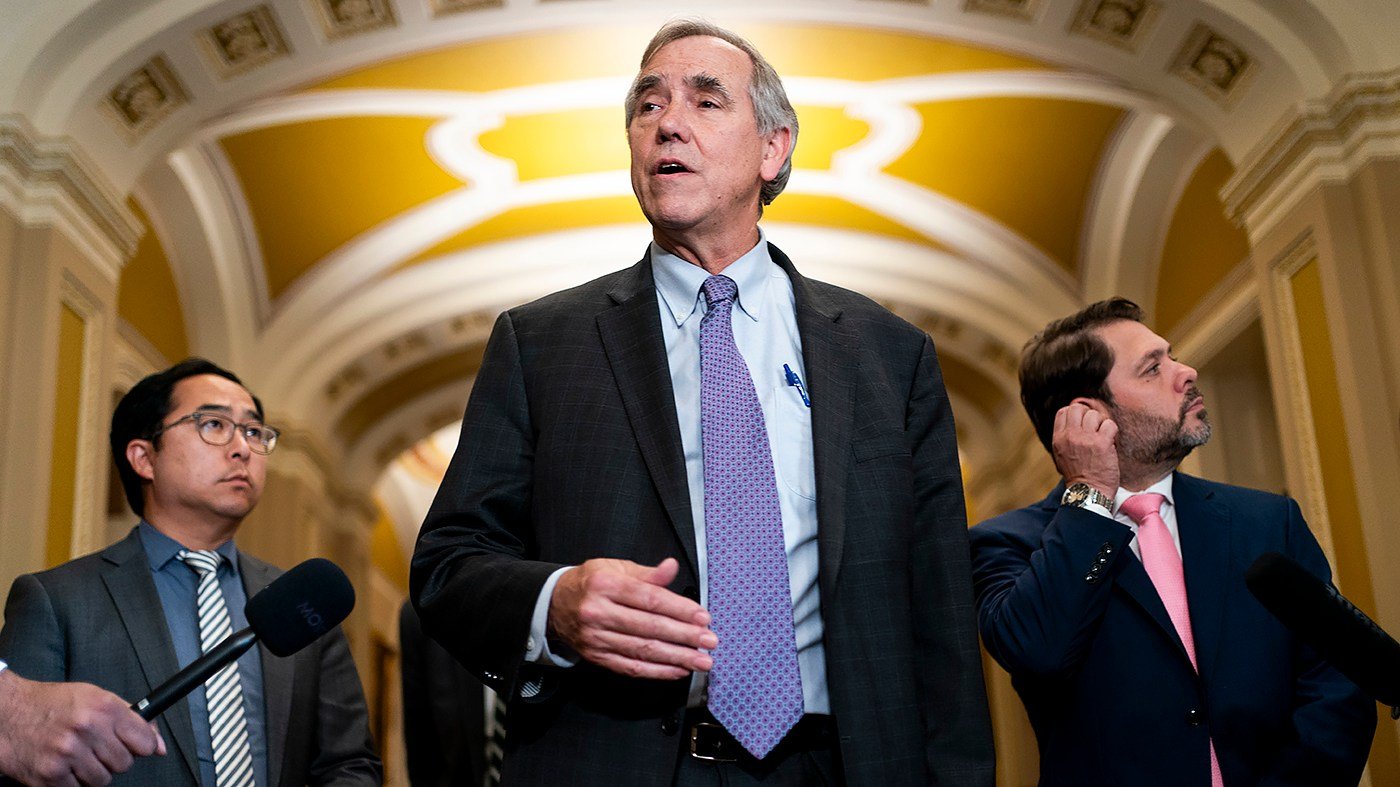
Graham, a steadfast supporter of the administration's military posture toward Iran, linked his concerns directly to the core issue of nuclear proliferation. He strongly endorsed President Trump's concurrent vow that Iran will not be permitted to enrich uranium. "Allowing this regime to enrich in the future would be an affront to all those murdered by the regime since this war started and would be inconsistent with denying Iran a pathway toward a bomb in the future," Graham argued. He added that many nations operate peaceful nuclear power programs without enrichment capabilities, and Iran should meet, at minimum, that same standard.
Trump's Conditional Pause and Proposal Details
President Trump revealed the temporary halt to strikes on Tuesday, noting his administration had received a "workable" ten-point proposal from Iranian officials. He claimed that nearly all previous points of dispute between the two nations have been resolved, and the two-week window would allow for finalizing the agreement. The president's announcement underscores the fragile nature of the current diplomatic maneuvering around the Strait of Hormuz, a critical global oil chokepoint.
In a series of posts on his Truth Social platform, Trump elaborated on Wednesday, asserting, "There will be no enrichment of Uranium, and the United States will, working with Iran, dig up and remove all of the deeply buried Nuclear 'Dust.'" He stated the sites are under stringent satellite surveillance. The administration has consistently cited concerns over Iran's nuclear program as a primary justification for the ongoing conflict.
The president also sent mixed signals on economic measures, stating that discussions about tariff and sanctions relief with Iran were underway. However, less than ten minutes later, he threatened to impose 50 percent tariffs on goods from any country that supplies military weapons to Iran.
Regional Diplomacy and Broader Context
The diplomatic push extends beyond direct U.S.-Iran talks. Pakistani Prime Minister Shehbaz Sharif has invited American and Iranian officials to a meeting in Islamabad, aiming to negotiate a conclusive settlement. This comes as the ceasefire process unfolds separately from other regional conflicts, notably the ongoing hostilities between Israel and Hezbollah in Lebanon, which are not covered by the current U.S.-Iran framework.
Graham's public skepticism reflects broader unease within foreign policy circles about the potential terms of a deal. His comments arrive as Senate Democrats are moving to curtail the president's war authority related to Iran, highlighting the deep political divisions over strategy. Other allies have also expressed doubts about Iranian compliance, with reports of continued attacks in the Gulf region casting a shadow over the negotiations.
The next two weeks will be critical in determining whether this diplomatic initiative can solidify into a durable agreement or if the "troubling aspects" highlighted by Senator Graham and others will derail the process. The administration now faces the dual challenge of satisfying congressional hawks while securing verifiable concessions from Iran that justify a lasting cessation of hostilities.