Global energy markets convulsed Wednesday as President Donald Trump's announcement of a provisional ceasefire with Iran sent oil prices into a sharp decline. The move, which temporarily halts U.S. military action against Tehran, triggered the most significant single-day drop in crude benchmarks since the early days of the COVID-19 pandemic.
Market Plunge and Ceasefire Terms
Futures for Brent crude, the international benchmark, fell approximately 17 percent to hover near $91 per barrel. The U.S. benchmark, West Texas Intermediate (WTI), dropped roughly 18 percent to trade around $93 per barrel. The dramatic sell-off represents a swift reversal from weeks of elevated prices driven by conflict in the Persian Gulf.

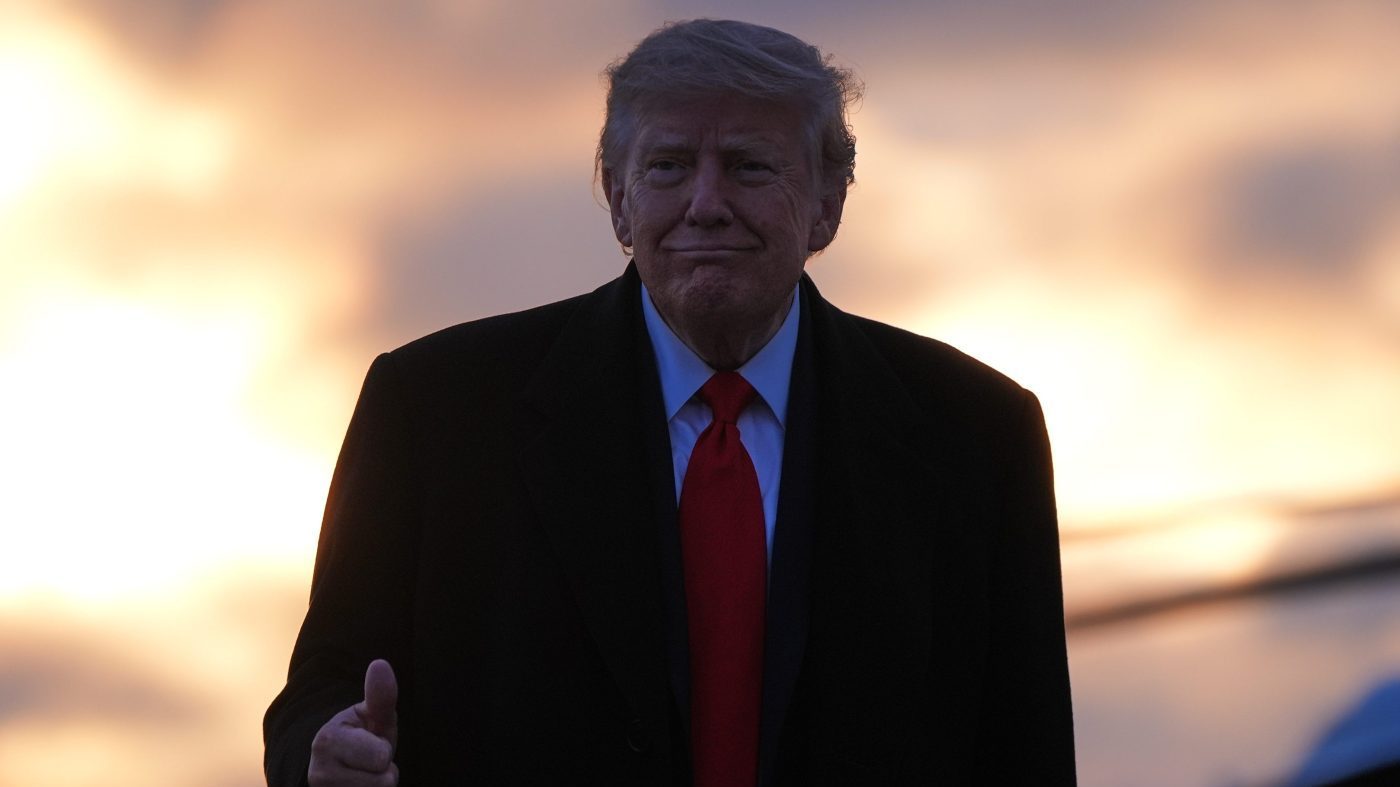
President Trump outlined the ceasefire terms Tuesday, stating he would "suspend" offensive operations against Iran for a fourteen-day period. The suspension is explicitly conditional on Iran maintaining open passage through the Strait of Hormuz, a critical maritime chokepoint through which about one-fifth of the world's daily oil supply typically flows. Since hostilities began, Iranian threats have largely closed the strait, creating a supply shock that propelled prices upward.
Financial and Political Repercussions
Equity markets rallied on the news, with the S&P 500 index gaining about 3 percent as investors priced in reduced geopolitical risk. However, the ceasefire's fragility was immediately underscored by political reactions. Senator Lindsey Graham demanded a congressional vote on the agreement, arguing such significant foreign policy decisions require legislative "sunlight." Simultaneously, Senator J.D. Vance labeled the arrangement 'fragile' and issued a direct warning to Tehran against operating in bad faith.
While crude prices remain higher than pre-conflict levels, the scale of Wednesday's drop signals substantial market optimism that the ceasefire could de-escalate the immediate crisis. This sentiment contrasts with ongoing military posturing, as evidenced by Fox & Friends host Pete Hegseth confirming U.S. military readiness for what the administration has termed a "civilization" threat from Iran.
Domestic Impact and Future Uncertainty
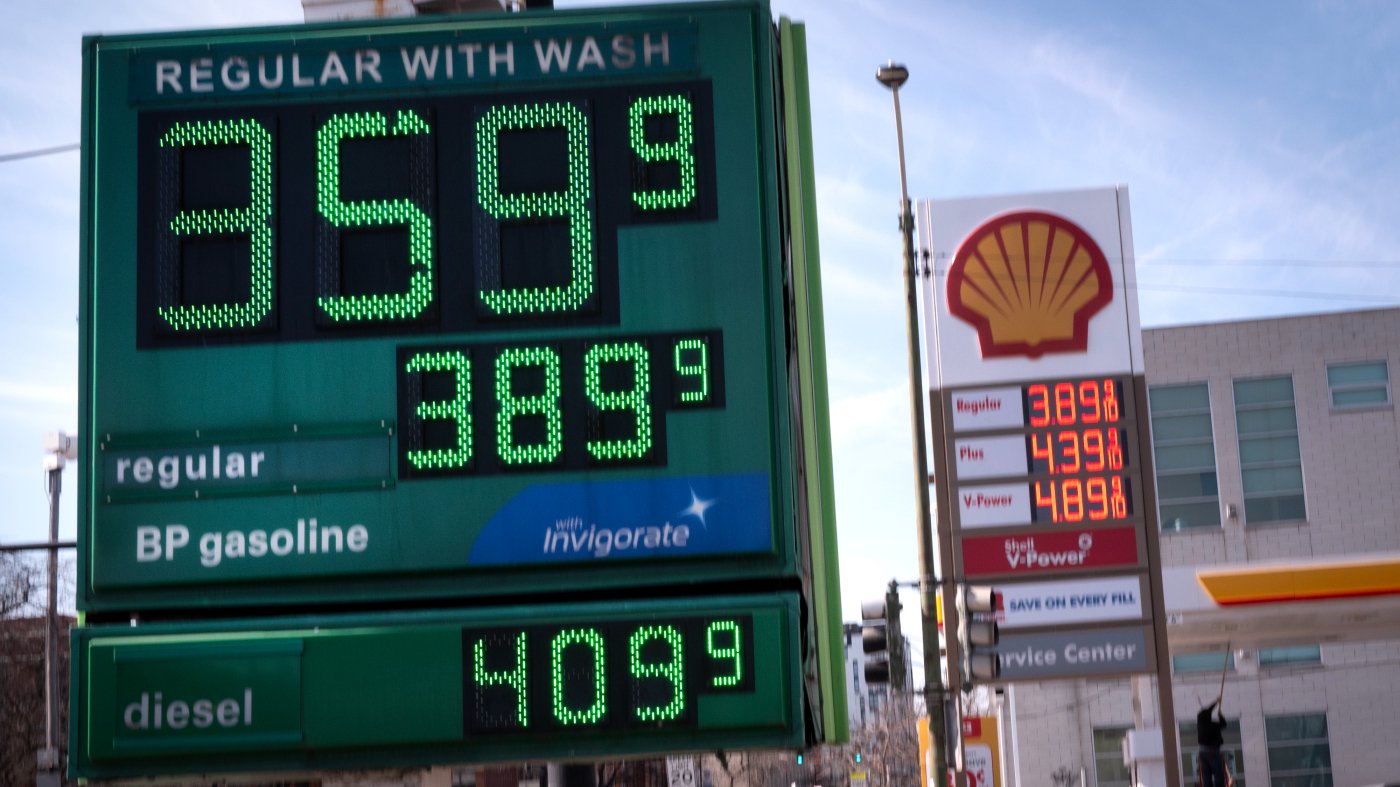
The price collapse has not yet translated to relief for American consumers. The national average price for a gallon of gasoline held steady at about $4.16 on Wednesday. Analysts note a lag between wholesale crude movements and retail pump prices, suggesting that sustained lower oil prices could ease gasoline costs in the coming weeks.
The long-term trajectory for energy markets now hinges directly on the actions of both U.S. and Iranian leadership over the next fortnight. President Trump has already framed the pause as a strategic victory, with reports indicating he credits Chinese diplomatic pressure on Tehran for facilitating the deal. He has also proposed a longer-term, unconventional solution: a joint U.S.-Iran toll venture to manage and secure the Strait of Hormuz.
Regional dynamics complicate the ceasefire's stability. Israel, a key U.S. ally, has pointedly excluded Lebanon—a country with strong Iranian ties—from the agreement's scope, having launched major airstrikes on Beirut concurrently with the announcement. Furthermore, the administration has linked the ceasefire to broader non-proliferation goals, with Trump also declaring a ban on Iranian uranium enrichment.
The dramatic market response underscores how tightly financial stability is woven to Middle Eastern geopolitics. While the immediate threat of a full-scale conflict has receded, the coming days will test whether this ceasefire marks a genuine diplomatic off-ramp or merely a brief pause in a prolonged confrontation.