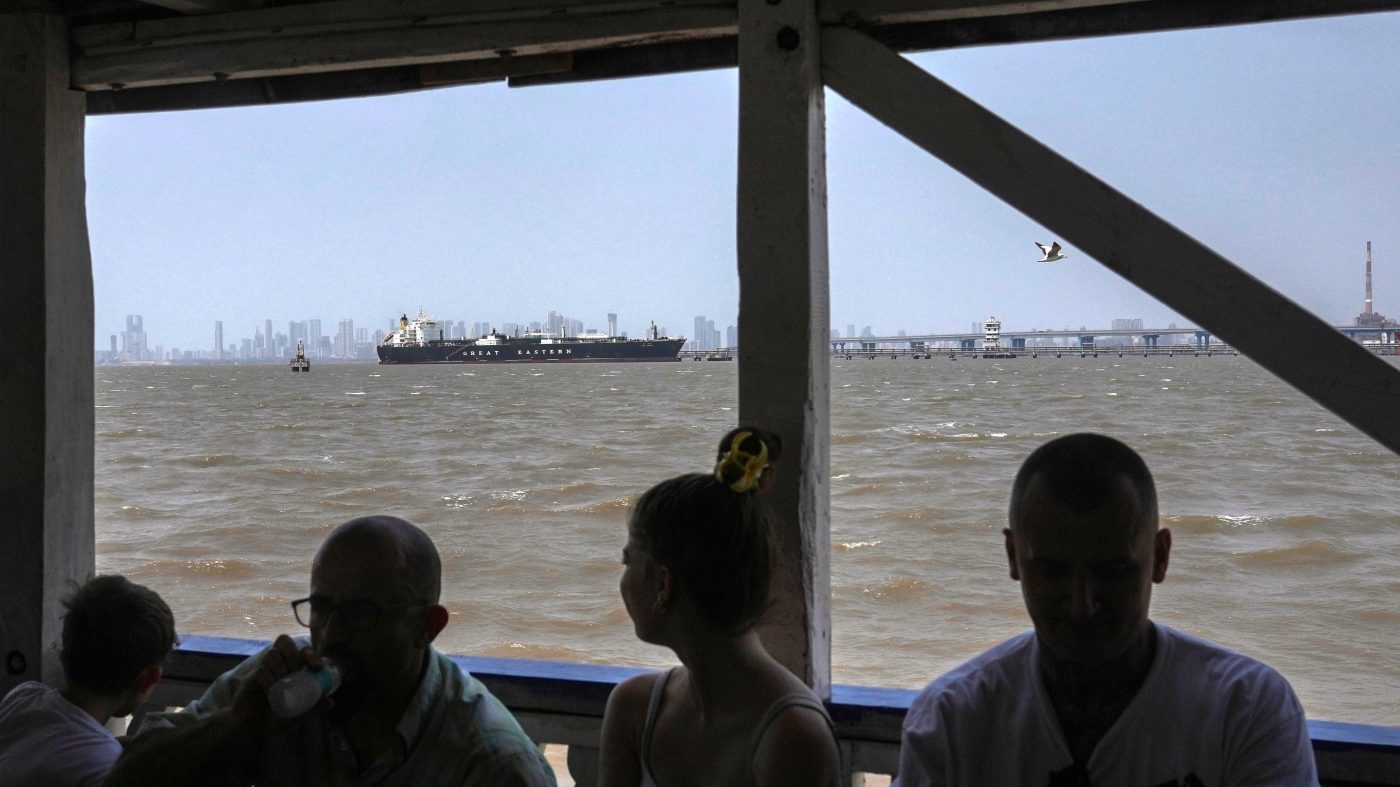
President Donald Trump has proposed the United States enter into a joint venture with Iran to collect tolls from commercial vessels passing through the strategic Strait of Hormuz, a critical maritime chokepoint for global oil shipments. The suggestion follows the announcement of a two-week ceasefire agreement between the two nations, which was finalized just hours before a U.S. deadline threatened severe consequences.
A 'Beautiful' Business Proposition
When asked by ABC News about Iran's previously stated plan to charge fees for passage through the strait, Trump responded, "We're thinking of doing it as a joint venture." He described the concept as "a way of securing it — also securing it from lots of other people. It's a beautiful thing." This idea of shared revenue from the vital waterway, through which an estimated 20% of the world's oil flows, was not part of the initial ceasefire framework that the administration had endorsed.
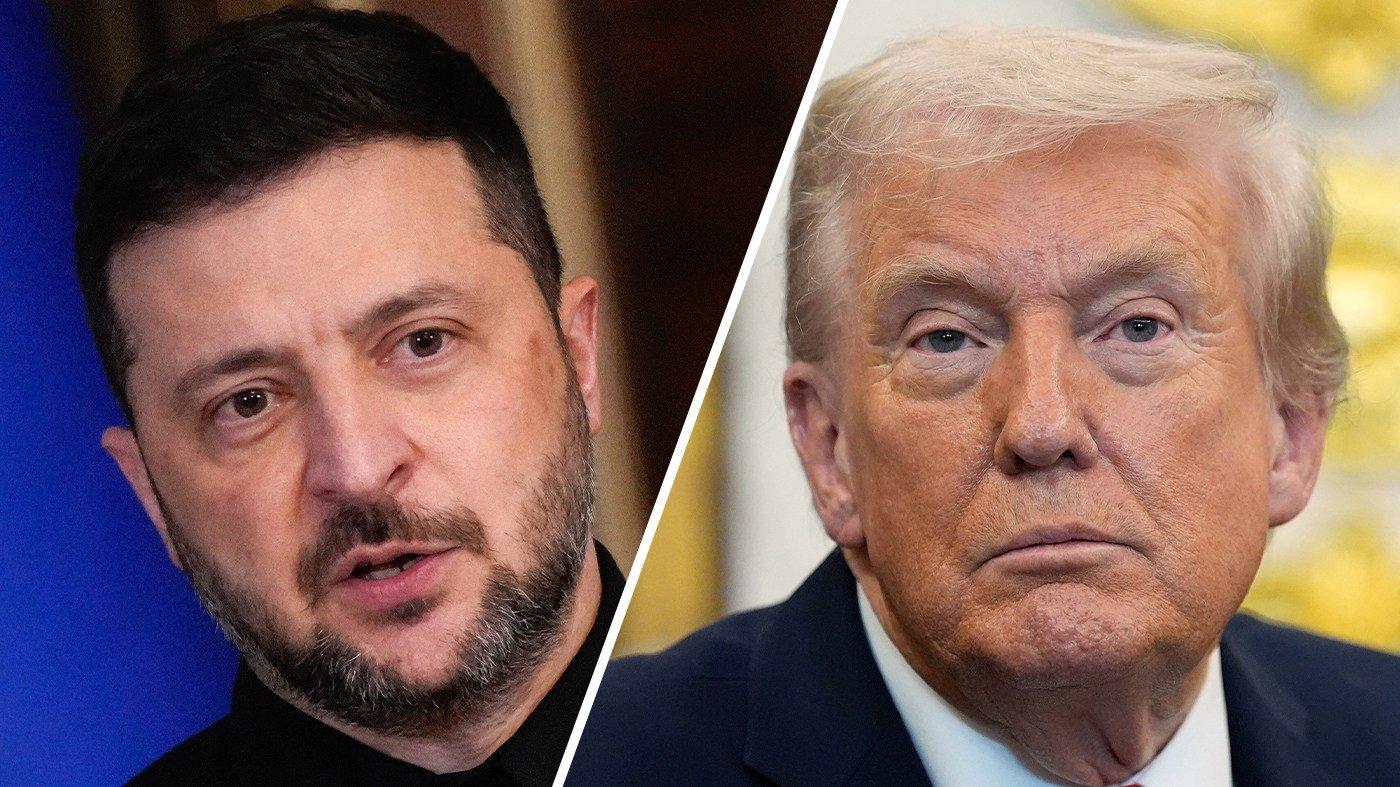
The president had earlier signaled his interest in the financial potential of the situation. On his Truth Social platform, he wrote there was "big money" to be made by the U.S. assisting with the "traffic buildup" in the strait, suggesting American forces would "'hangin' around' in order to make sure that everything goes well." He had also previously suggested the U.S. could unilaterally impose its own tolls, a notion that followed Tehran's signals about installing a "toll booth" system.
Domestic and International Backlash
The proposal and the circumstances of the ceasefire have triggered significant political backlash. Secretary of State Marco Rubio has already condemned Iran's original tolling plan as "illegal" and "dangerous for the world," stating that the U.S. and European allies would need a response plan, though he noted Washington would not lead it. The administration's internal stance appears divided, as Vice President J.D. Vance characterized the ceasefire as a "fragile truce" and issued a warning to Tehran against cheating.
More severe criticism came from Capitol Hill, where members of Congress expressed outrage over Trump's ultimatum to Iran, which included a threat that its "whole civilization will die tonight" if a deal was not reached. Lawmakers denounced the rhetoric as potentially constituting a war crime, with many calling for his removal via the 25th Amendment. Connecticut Democratic Representative John Larson filed articles of impeachment against the president specifically over the threat. This domestic fury underscores the intense legal and political scrutiny surrounding the administration's Iran strategy.
The Fragile Ceasefire Context
The joint venture concept emerges from a tense diplomatic standoff. The U.S. and Iran reached the temporary ceasefire deal with only hours remaining before Trump's Tuesday evening deadline, averting a threatened escalation. The administration has hailed the agreement as a victory, though its longevity remains uncertain. The Pentagon is expected to brief on the military implications of the pause and the new operational posture.
According to regional officials, funds from any Iranian toll system would be directed toward national reconstruction, with a portion also being offered to Oman. The specific allocation and use of these potential revenues remain unclear. The proposal for U.S. involvement adds a complex commercial dimension to a geopolitical flashpoint, potentially intertwining American security and economic interests directly with Iranian infrastructure in one of the world's most volatile regions.
The development occurs as the administration manages other foreign policy challenges, including tensions within NATO over burden-sharing and strategic direction. Trump's unconventional suggestion of a business partnership with a long-time adversary marks a stark departure from traditional statecraft and is likely to fuel further debate over his approach to international conflict and economic statecraft.