Federal Immigration Enforcement Shooting Under Investigation
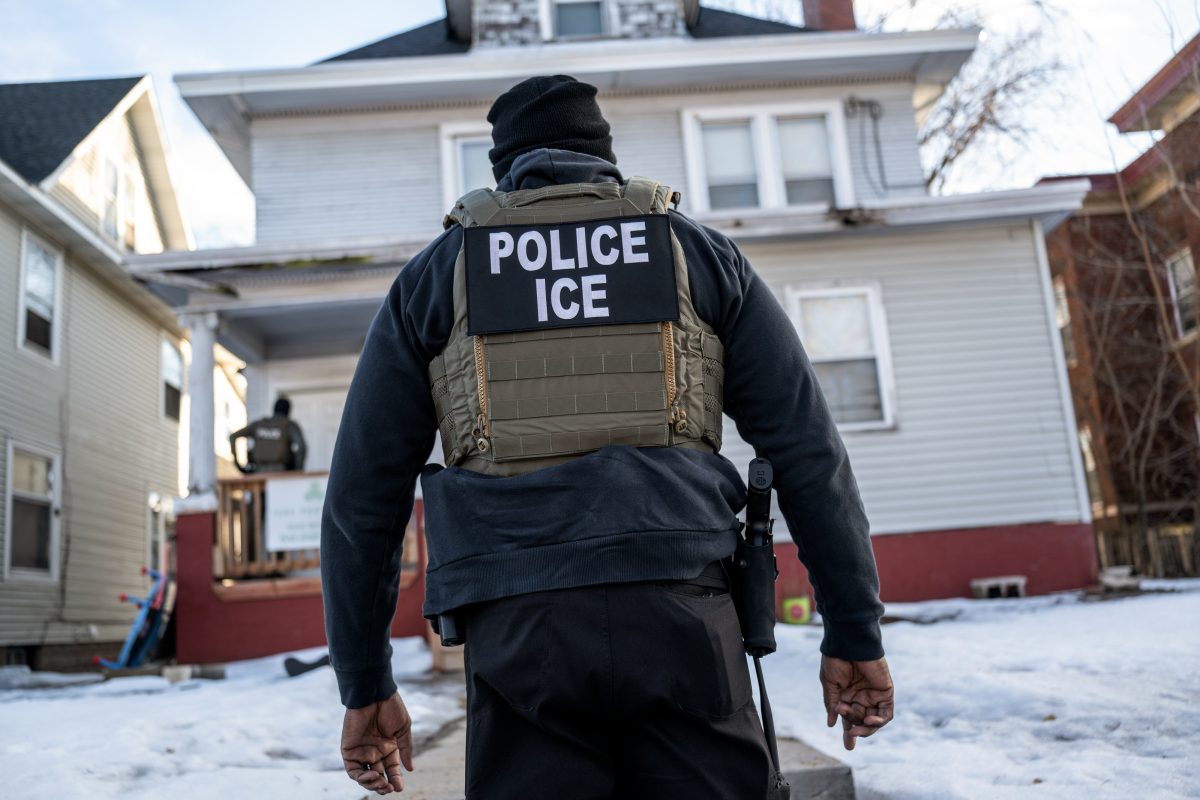
Federal immigration officers shot and seriously wounded a man during an attempted apprehension on a California interstate this week, triggering an FBI investigation and exposing sharply conflicting accounts between authorities and the man's legal representative. The incident occurred during what U.S. Immigration and Customs Enforcement describes as a targeted traffic stop on Interstate 5 near Patterson.
Conflicting Narratives Emerge
Acting ICE Director Todd Lyons stated the individual, identified as Carlos Ivan Mendoza Hernandez, "weaponized his vehicle in an attempt to run an officer over," forcing agents to fire "defensive shots to protect themselves, their fellow agents, and the public." Lyons further alleged Mendoza Hernandez is wanted for questioning in connection with a murder in El Salvador and claimed gang affiliations.
These assertions are vigorously contested by the man's attorney, Patrick Kolasinski, who described his client as a "loving father and partner" targeted "in a tragic case of mistaken identity" while on his way to work. Kolasinski stated Mendoza Hernandez, now hospitalized and "fighting for his life," attempted to flee out of fear before the situation escalated. The attorney has established a fundraising campaign for the man's family, highlighting the human cost often obscured in broader debates over immigration enforcement.
Video Evidence and Escalating Tensions
Dash camera footage obtained by a local television station shows a volatile scene. A vehicle is positioned between an SUV and a pickup truck with its passenger door open. After backing up and colliding with the pickup, the car shifts into drive and accelerates sharply away from three officers, two of whom appear to have weapons drawn. An officer runs to the driver's side as the vehicle turns toward the median, at which point that officer appears to fire his weapon. The car then crosses the median into opposing traffic lanes. The silent footage does not clarify the exact timing or number of shots fired.
The FBI's Sacramento field office has confirmed its role in investigating the shooting, noting the probe is "active and ongoing." This federal scrutiny places the incident within a national pattern of contentious encounters between immigration authorities and individuals, reminiscent of other cases where enforcement actions have had fatal consequences.
Political Reactions and Broader Context
The shooting has drawn attention from California's highest office. A spokesperson for Governor Gavin Newsom confirmed he has been briefed and stated an expectation that "federal law enforcement partners [will] appropriately collaborate with state and local law enforcement" during the investigation. This incident occurs against a backdrop of persistent tension between California's state government and federal immigration authorities, a dynamic further complicated by proposals like threats to restrict customs access for sanctuary cities.
The case underscores the high-stakes, often dangerous nature of immigration enforcement operations and the immediate political and legal ramifications when such encounters turn violent. With the subject hospitalized in critical condition, the investigation by the FBI will be crucial in determining whether the use of force was justified or represents a severe operational failure.
As the facts are adjudicated, the incident is certain to fuel ongoing debates over ICE's tactics, oversight, and the broader framework of U.S. immigration policy. The conflicting stories from official channels and the defense attorney highlight how quickly such events become polarized, reflecting deeper national divisions. The outcome of the federal investigation will carry significant weight for both the agency's protocols and public trust.