Progressive Candidate Tests Democratic Party's "Big Tent" Limits
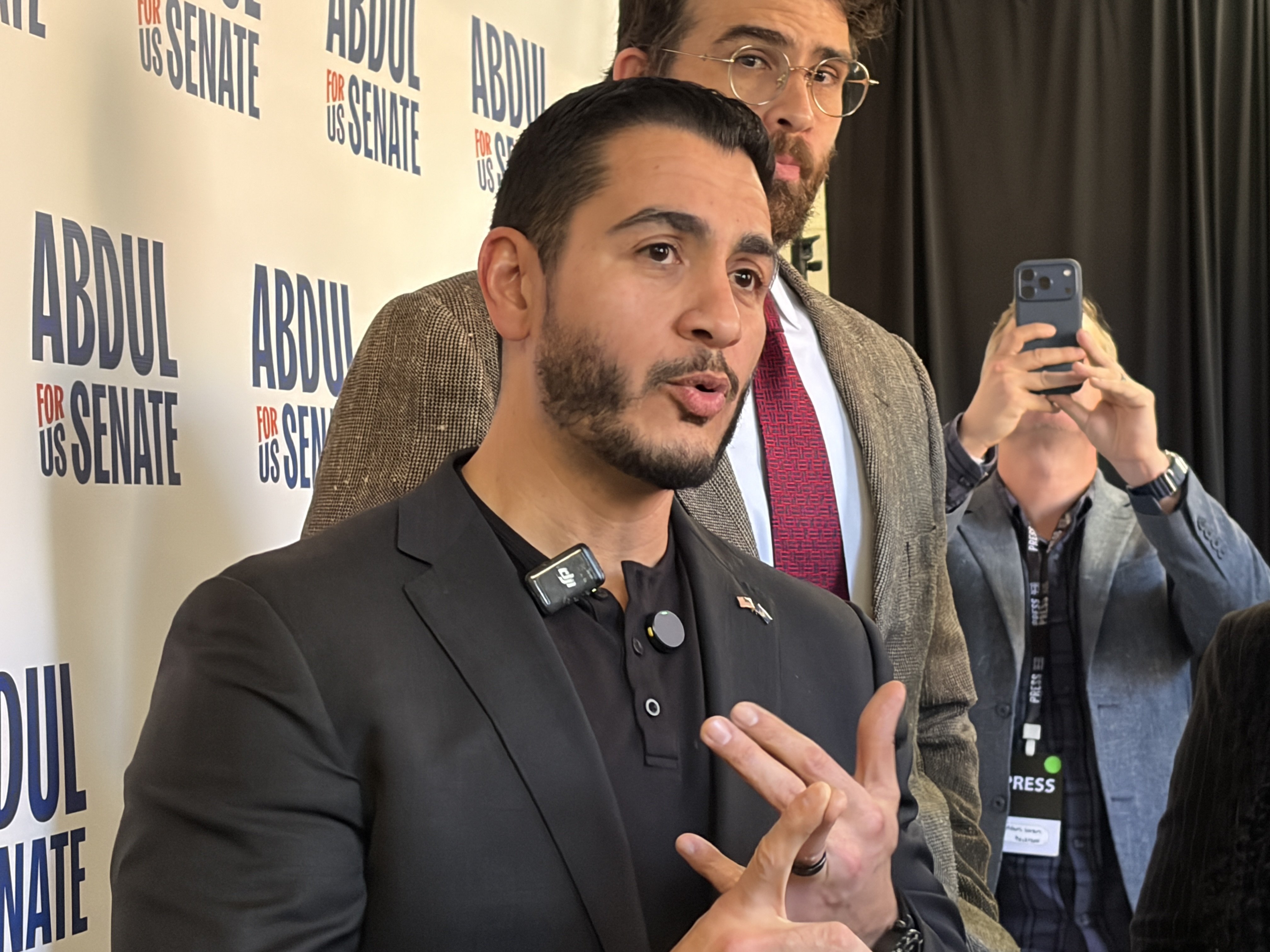
Michigan Democratic Senate candidate Abdul El-Sayed has ignited a fierce intraparty conflict by headlining a campaign rally with controversial online personality Hasan Piker, betting that embracing the digital left will expand rather than fracture the Democratic coalition. The event at Michigan State University, also featuring Pennsylvania Representative Summer Lee, represents a deliberate provocation against party establishment figures who warn such associations risk alienating Jewish voters and undermining electoral prospects.
Democratic Backlash and Accusations of Radicalism
The strategic gamble has drawn immediate condemnation from across the Democratic spectrum. Primary opponent Representative Haley Stevens declared Piker "the exact opposite of someone I'd be campaigning with," while state Senator Mallory McMorrow likened the streamer to neo-Nazi podcaster Nick Fuentes. Centrist think tank Third Way labeled El-Sayed a "disgrace to the Democratic Party" over the alliance. Meanwhile, Republican Senate nominee Mike Rogers has seized on the controversy, arguing it "personifies how radical the Democratic Party has become" during a media tour following the rally.
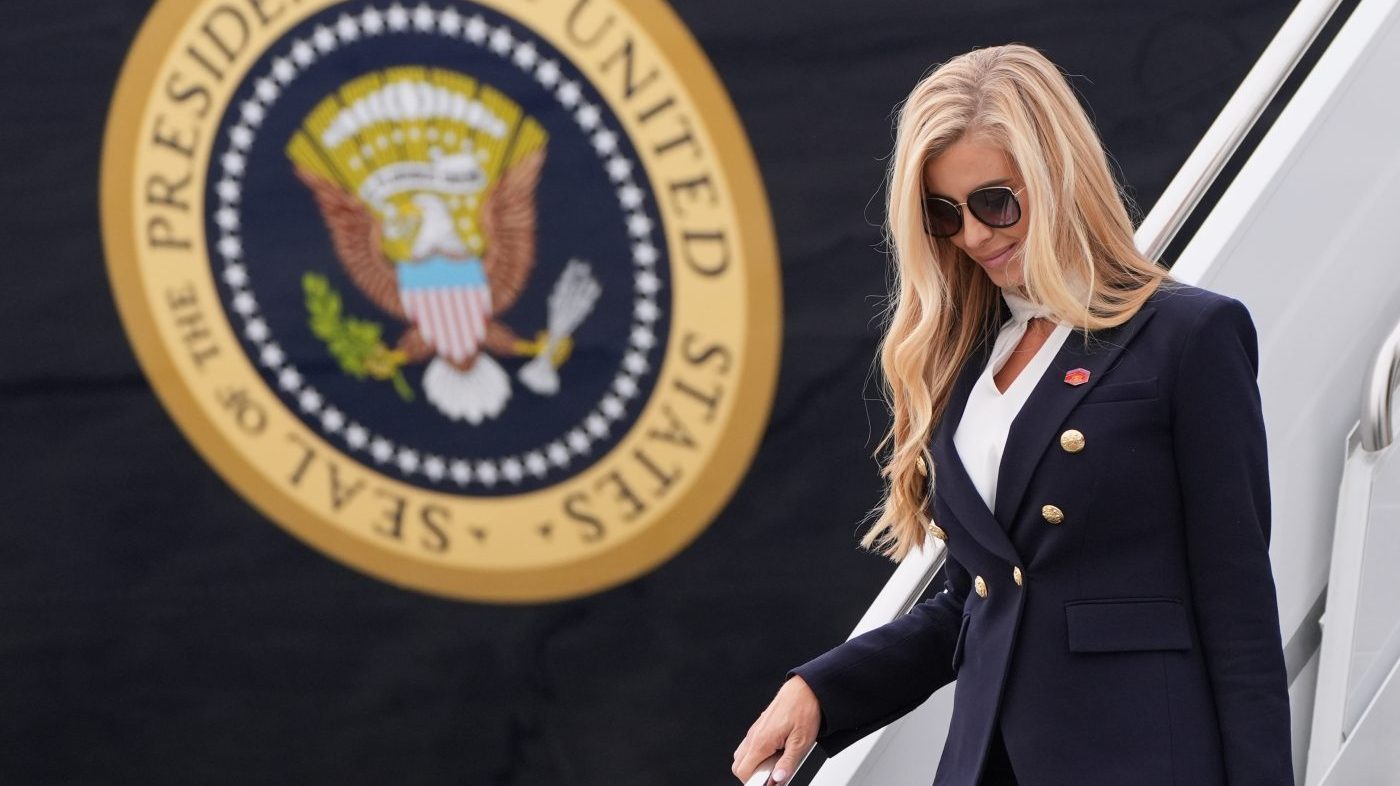
El-Sayed framed his decision as a fundamental test of Democratic principles. "We have a choice in this election," he told the packed lecture hall. "I know I'm not supposed to run for office. I get it. I'm the wrong color. I pray the wrong way, and I come from the wrong part of the world... But we gotta stop playing to lose. And we got to start playing to win." He argued that Democrats cannot police ideological boundaries while claiming to represent a diverse coalition, suggesting the party pays mere lip service to young, digitally-engaged progressives.
Controversial Commentary and Campus Tensions
Piker, a left-wing streamer with over three million Twitch followers often called "the Joe Rogan of the left," brings significant online influence alongside controversial statements that have drawn particular scrutiny since the October 7 attacks. In 2019, he asserted "America deserved 9/11," later clarifying he wasn't endorsing the attacks but highlighting blowback from U.S. foreign policy. He has also stated "Hamas is a thousand times better than the fascist settler colonial apartheid state" of Israel.
Michigan State University administration attempted to navigate the controversy with a carefully worded statement released an hour before the event. President Kevin Guskiewicz and the Board of Trustees defended free speech and "diversity of thought" while condemning antisemitism, acknowledging that "recent comments attributed to a speaker, who the university did not invite, have caused pain and concern, particularly among members of our Jewish community." The university directed students toward counseling and bias-response resources.
Foreign Policy and AIPAC as Central Battleground
El-Sayed directly addressed criticism of his foreign policy positions, naming Israel under Prime Minister Benjamin Netanyahu as the "foreign government" he opposes. "When you stand up and you say that that's some bullshit, that you don't want your tax dollars being spent to buy a tank, or bomb a foreign government, they come at you," he argued, connecting military spending abroad to domestic underinvestment. "Every dollar spent over there, to drop a bomb over there, on a child over there, is a dollar that is not being spent here, on your child, on your health care."
The candidate specifically targeted the American Israel Public Affairs Committee (AIPAC), accusing the organization of directing "$100 million of mega-billionaire money" to influence U.S. foreign policy. "I am proud," El-Sayed declared, "that AIPAC has called me the single-most-dangerous candidate." This confrontation occurs as Democratic infighting over Israel policy intensifies nationwide, reflecting broader tensions about the party's direction.
In an interview, El-Sayed rejected what he called "guilt-by-association" politics, arguing it prevents necessary conversations. Someone "can and should stand with Jewish people everywhere" and "stand against antisemitism," he maintained, while still "criticizing the Israeli government... These two things are not mutually exclusive." This stance places him at the center of a growing existential crisis within the Democratic Party about balancing progressive activism with traditional coalition politics.
The Michigan Senate race has emerged as a national proxy war over the Democratic Party's future, with El-Sayed's campaign testing whether mobilizing young, online progressives can offset potential losses among more traditional constituencies. As the primary approaches, this strategic divergence highlights the party's struggle to define its identity amid shifting political currents, even as recent electoral analyses show Democratic momentum in other competitive races.