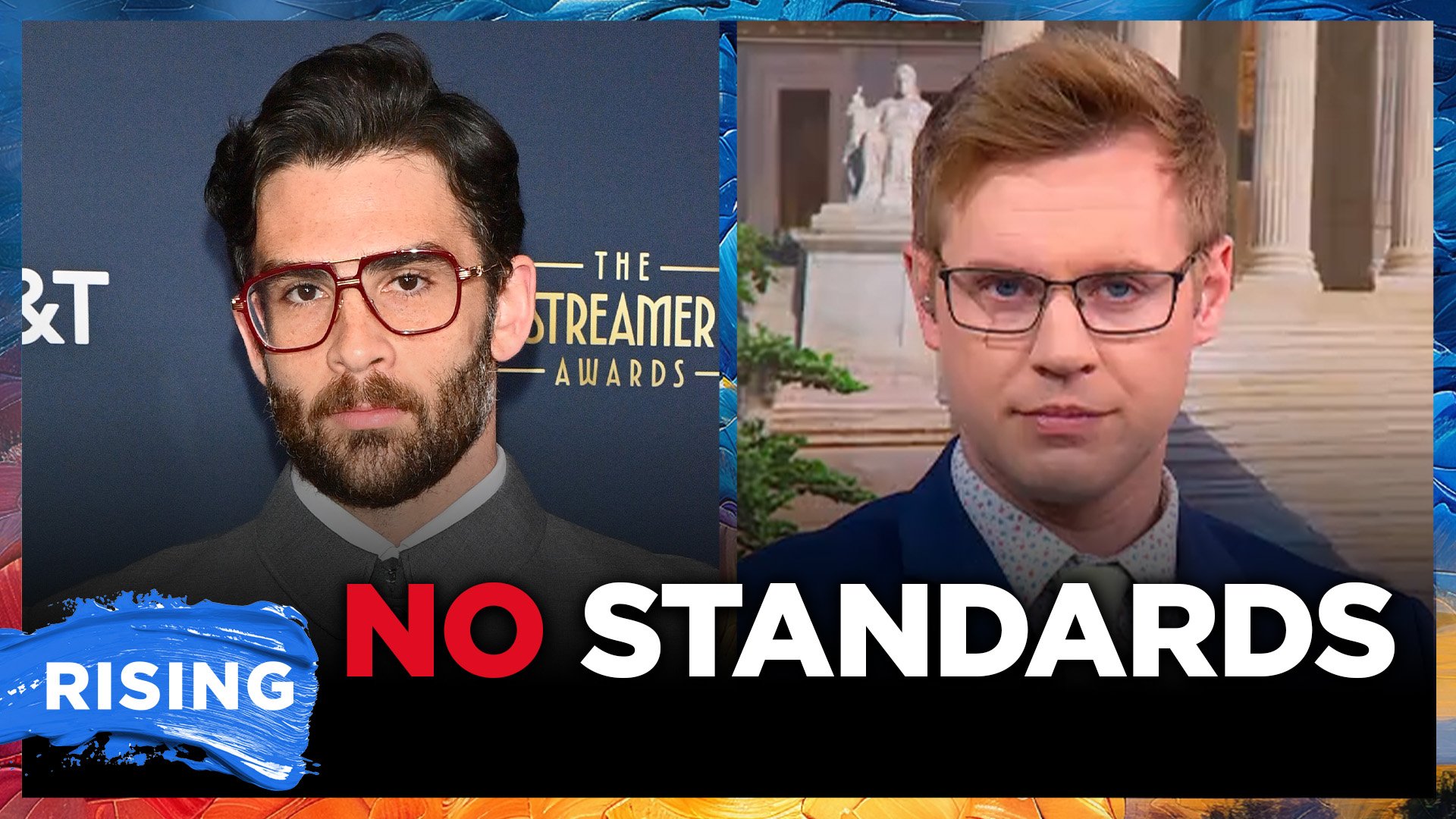
A familiar pattern of internal Democratic conflict has resurfaced, this time centered on whether party figures should engage with far-left commentator Hasan Piker. The controversy, playing out primarily in center-left media outlets, echoes previous debates over figures like Joe Rogan and reflects ongoing tensions about ideological boundaries and political association.
The Core Controversy
Piker, a popular Twitch streamer with significant influence among progressive youth, has drawn criticism for numerous controversial statements. These include suggesting America deserved the September 11 attacks, expressing admiration for Hezbollah, praising Chinese governance as ideal, and wishing for a Soviet victory in the Cold War. His reflexive defense of communist regimes and attacks on critics of authoritarian communism have particularly alarmed some Democratic strategists.
The debate gained prominence after Never Trump outlet The Bulwark hosted a spirited discussion about whether Democrats need to more forcefully distance themselves from Piker. Sarah Longwell, a Republican strategist involved with The Bulwark, has led criticism of Piker, while fellow Bulwark commentator Tim Miller has pushed back, noting his own past appearances with the streamer in friendly settings.
Selective Outrage Allegations
Critics argue the controversy reveals Democratic hypocrisy regarding platform access and association. They note that while many liberal figures express concern about normalizing right-wing voices by appearing on platforms like Fox News, they exhibit far more tolerance for far-left commentators with objectionable views. This selective approach, critics contend, mirrors broader patterns where figures like Nick Fuentes receive immediate condemnation from Democrats while similarly extreme left-wing voices face more nuanced treatment.
The situation has drawn comparisons to other controversies over platform access and cancellation attempts, such as when UK authorities blocked Ye from entering the country over antisemitic remarks. Unlike that decisive action, the Democratic response to Piker has been characterized by internal disagreement rather than unified condemnation.
Political Calculations
Mainstream Democrats have been drawn into the debate, with Representative Ro Khanna among those asked to address the issue. The calculus appears complex: while Piker's views alienate moderates, his substantial youth following represents an important demographic. This tension reflects broader Democratic struggles to navigate an increasingly fragmented media landscape where young audiences often consume content from figures operating outside traditional liberal-conservative frameworks.
The controversy also intersects with electoral politics, as seen in Democratic infighting in Michigan's Senate race following a Piker rally. Such incidents demonstrate how association with controversial figures can create complications for candidates in competitive districts.
A Broader Pattern
This debate represents another chapter in ongoing conflicts over political association that have plagued both parties. Similar controversies have emerged around figures across the ideological spectrum, with accusations of hypocrisy frequently leveled when responses appear inconsistent. The fundamental question—when engagement constitutes normalization versus necessary outreach—remains unresolved in American politics.
Ultimately, the Piker controversy highlights Democratic divisions over how to handle extreme elements within their broader coalition. As the party grapples with these questions, the episode serves as a reminder that debates over political association and platform access continue to generate significant internal friction with no clear resolution in sight.