Progressive Candidate's Alliance with Controversial Figure Divides Democrats
The Michigan Democratic Senate primary has been jolted by progressive candidate Abdul El-Sayed's decision to campaign this week with Hasan Piker, a popular but polarizing political streamer. The move has drawn immediate condemnation from El-Sayed's primary opponents, exposing deep fissures within the party as it prepares for a battle to hold a seat critical to the Senate majority.
El-Sayed, the former Wayne County health director who was the runner-up to Governor Gretchen Whitmer in the 2018 gubernatorial primary, is standing by his plans for joint rallies at the University of Michigan and Michigan State University. He argues the events are about meeting voters "where they are," noting Piker was credentialed at the 2024 Democratic National Convention. His campaign spokesperson stated, "Other candidates can spend their time policing where conversations happen and who gets to be a part of them if they want. Abdul is focused on showing up everywhere."
Rivals Condemn Association as Party Fears General Election Fallout
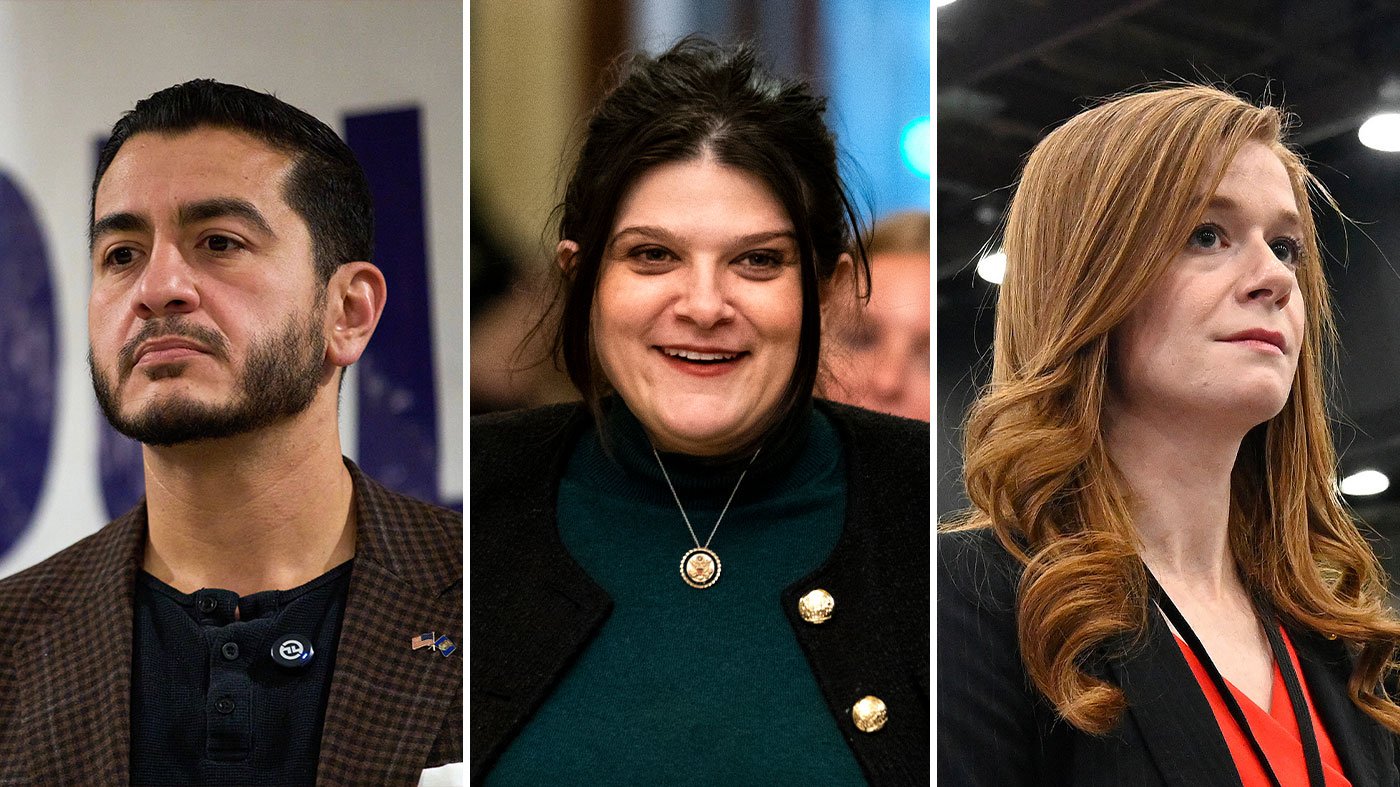
The backlash has been swift and sharp. Representative Haley Stevens, a moderate in the race, told Jewish Insider that Piker is "the exact opposite of someone I'd be campaigning with." State Senator Mallory McMorrow, another primary contender, drew a comparison between Piker and far-right antisemitic influencer Nick Fuentes. The criticism extends beyond the candidate field; Matt Bennett of the center-left think tank Third Way took to social media to call El-Sayed a "disgrace to the Democratic Party."
The controversy stems largely from Piker's commentary on the October 7 Hamas attacks on Israel. He described the violence as a "direct consequence" of Israeli and U.S. government policy and remarked that reports of rape during the assault "doesn't change the dynamic for me." Piker, who has millions of followers across multiple platforms, rejects accusations of antisemitism, stating his critiques are directed at governments, not Jewish people. His following could provide El-Sayed a significant boost among young progressives and within Michigan's large Muslim community, but it also raises Democratic fears that the association could make the nominee vulnerable in November.
A Three-Way Primary Battle with National Implications
The Democratic primary is a tight, three-way contest. El-Sayed and McMorrow are competing for the progressive lane, while Stevens, a sitting congresswoman aligned with the American Israel Public Affairs Committee (AIPAC), is the establishment favorite. McMorrow, endorsed by Senator Elizabeth Warren, has positioned herself as part of a new generation of leadership and has called for Senator Chuck Schumer to step down from his leadership post. The infighting mirrors broader Democratic tensions over strategy and ideology that are playing out in competitive races nationwide.
Current polling shows all three candidates below 30 percent support, with a large bloc of voters undecided. "Those undecideds... could also be more progressives who are trying to decide between McMorrow and El-Sayed," said David Dulio, a political science professor at Oakland University. "We could be at an inflection point with this Piker visit, just because it's gotten so much attention and it is controversial." Michigan strategist Adrian Hemond suggested the Piker drama could help McMorrow differentiate herself from El-Sayed as they vie for the same base.
A Toss-Up Seat That Could Decide Senate Control
The winner of the August primary will likely face former Republican Representative Mike Rogers, who is favored to secure his party's nomination after a narrow loss in the 2024 Senate race. The Michigan seat, being vacated by retiring Senator Gary Peters, is one of a handful of true toss-ups in the 2026 cycle. Democrats face a challenging map as they attempt to reclaim the Senate majority, making every competitive seat essential. The state's recent electoral history underscores its volatility: President Trump flipped Michigan by just over a point in 2024, while Rogers came within one point of defeating Democrat Elissa Slotkin for the open seat left by Debbie Stabenow.
The internal Democratic conflict over the Piker rallies highlights the party's delicate balancing act in a key battleground. It must energize its progressive base without alienating more moderate general election voters. As Professor Dulio noted, the controversy is "making headlines here and elsewhere. We start to see the factions within the Democratic Party on display." The outcome will test whether a candidate aligned with the party's activist wing can prevail in a state where electoral margins are often razor-thin and where foreign policy, particularly regarding Israel, remains a potent and divisive issue.