Preservation Group Counters White House Security Argument
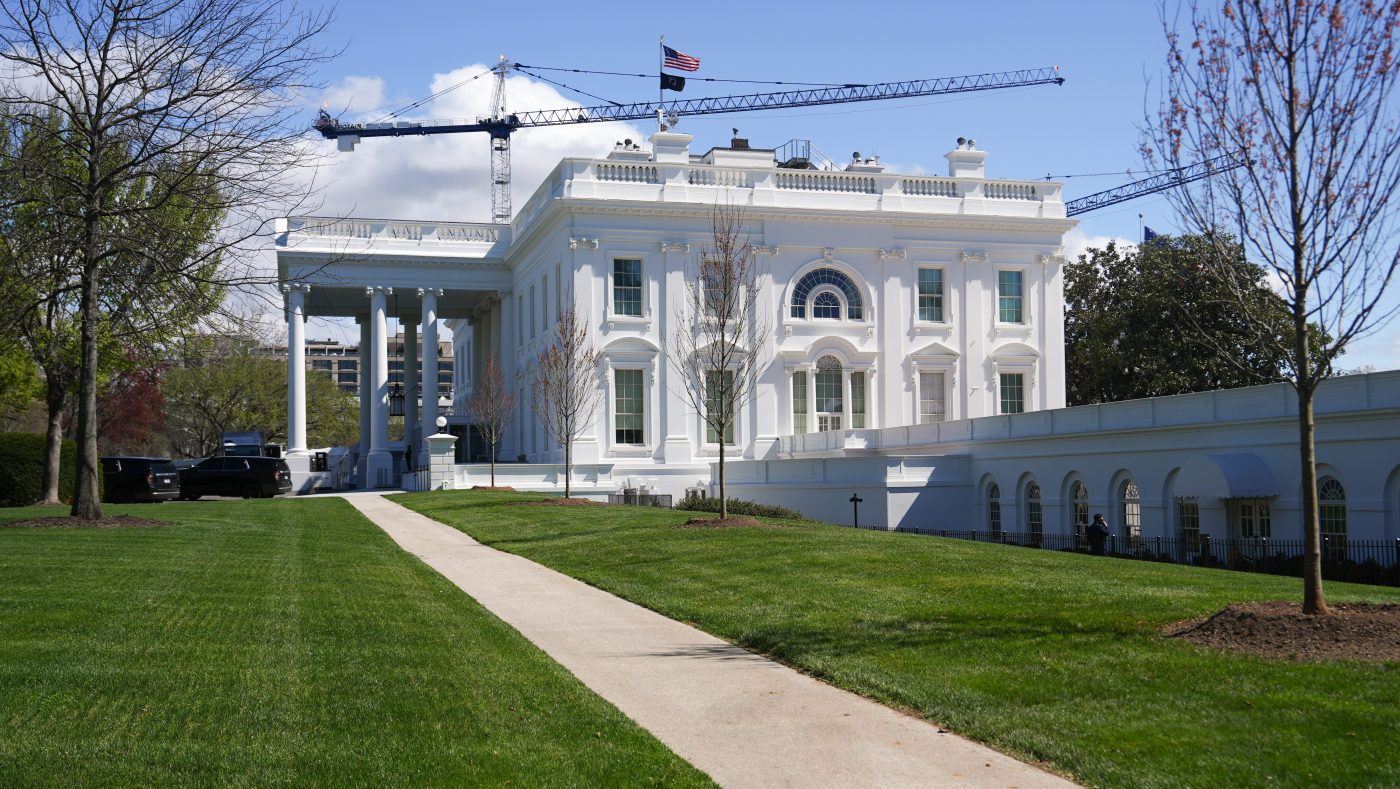
The National Trust for Historic Preservation has formally rejected the Trump administration's assertion that pausing construction on a controversial $400 million White House ballroom project constitutes a national security emergency. In a Wednesday court filing, the organization argued that a federal judge's injunction blocking the project without congressional approval "plainly does not" create such an emergency.
The legal challenge centers on U.S. District Judge Richard Leon's ruling that halted construction except where "necessary to ensure the safety and security of the White House" while the administration's appeal proceeds. The Trump administration has asked a federal appeals court to block this ruling, warning that leaving the ballroom unfinished would "imperil" the president and White House personnel.
Security Features Versus Legal Authority
Justice Department lawyers contend the 90,000-square-foot structure's design "cohesively advances critical national security objectives," housing bomb shelters, medical facilities, military installations, and featuring missile-resistant steel, drone-proof roofing, and blast-proof glass. They argue unfinished construction could expose vulnerabilities to attacks and environmental damage.
However, the National Trust's lawyers countered that the injunction "does not prevent Defendants from working on the underground bunker their motion exhaustively describes." They emphasized, "The Court's injunction simply prevents Defendants from constructing the ballroom without Congress's specific and express approval. And as is obvious, the absence of a massive ballroom on White House grounds has not stopped this (or any other) President from residing at the White House or hosting events there."
The preservationists maintain that unauthorized construction on historic White House grounds causes significant harm to both their organization and the public. Quoting Judge Leon's ruling, they wrote, "'The White House does not belong to any one man — not even a president.' If the President wants a ballroom, he must obtain specific and express authorization from Congress — 'the collective voice of the American people in our system of government,' and the steward of the nation's monuments and federal lands."
Broader Context of Executive Authority
This dispute occurs amid broader debates about executive power and congressional oversight. The administration's appeal reflects what critics describe as an expanding view of presidential authority, while preservationists frame the issue as a fundamental check on unilateral action regarding national landmarks. The project, primarily funded by private donors and slated for completion by 2028, has become a flashpoint in these institutional tensions.
The National Trust's filing directly challenges the administration's urgency, stating, "Temporarily halting the ballroom project until it complies with the law will not irreparably harm Defendants or the nation." They added, "While Defendants are free to advance their idiosyncratic and limitless view of executive authority on appeal, nothing in their stay motion shows they will be harmed — let alone irreparably — while that process plays out."
Judge Leon's ruling is currently paused while the appeals court considers the government's request. The administration has asked for a decision by Friday, and if denied, seeks a two-week extension to potentially bring the case to the Supreme Court. This legal maneuvering follows a pattern of the Trump administration appealing to restart the contested project after judicial intervention.
The case intersects with wider national security policy discussions, including debates over how security priorities are balanced with legal and preservation mandates. Similar tensions have emerged in other domains, such as when the Nuclear Regulatory Commission shifted security drills to industry control, drawing safety criticisms, and in assessments of U.S. pharmaceutical dependence on China. The ballroom dispute ultimately questions what constitutes a genuine national security imperative versus a policy preference framed as urgent necessity.