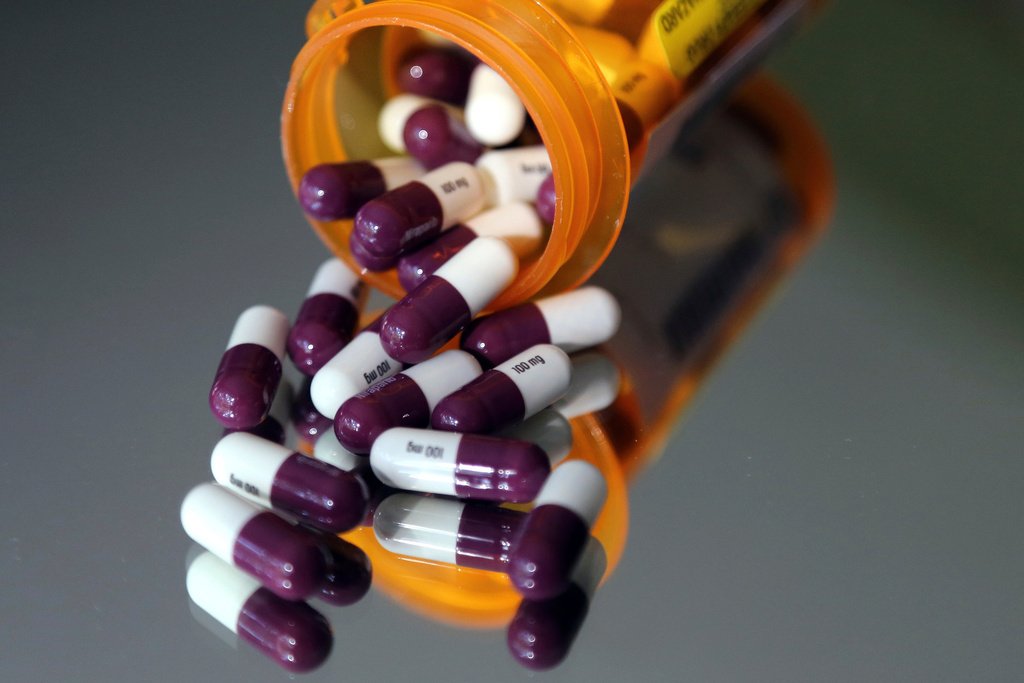
The United States is developing a critical vulnerability in its national security infrastructure: a deepening dependence on China for the essential ingredients and manufacturing of its medicines. Analysts estimate that up to 90 percent of the active pharmaceutical ingredients (APIs) for some generic drugs now originate in China, while hundreds of FDA-registered drug manufacturing facilities operate there with limited U.S. oversight. This reliance creates a strategic chokepoint that Beijing could exploit during a geopolitical crisis, threatening the flow of lifesaving treatments to American patients.
China's Strategic Push for Pharmaceutical Dominance
This shift is not accidental but the result of a deliberate, state-directed campaign. China's current Five-Year Plan explicitly designates biotechnology as a pillar industry, prioritizing the development of novel drugs and vaccines. The strategy is yielding results: China is now the world's second-largest drug developer, with its entities accounting for roughly 20 percent of drugs under development globally. In the first half of 2025, nearly half of all new drug molecules entering human trials emerged from Chinese laboratories.
The system Beijing has built offers speed and cost advantages, partly because it operates under different ethical standards. Reports indicate some clinical trials in China, including those conducted by the People's Liberation Army in regions like Xinjiang, fail to meet Western norms for informed consent and patient protection. This creates a powerful incentive for global pharmaceutical firms to shift early-stage research overseas, eroding the clinical trial infrastructure that has long underpinned American medical innovation.
From Health Policy to National Security Threat
The implications extend far beyond economic competition. If China gains control over the pipelines for next-generation cancer therapies, antivirals, and biologics, it would wield unprecedented influence over global health. The COVID-19 pandemic exposed the fragility of medical supply chains; a deliberate disruption by an adversarial power during a future crisis could be catastrophic. Even minor supply hiccups today routinely cause drug shortages in U.S. hospitals and pharmacies.
This evolving threat landscape demands a recalibration of U.S. policy, framing pharmaceutical innovation not merely as a healthcare issue but as a core national security imperative. The challenge mirrors other strategic domains where U.S. leadership is being tested, such as when the administration weighs military and diplomatic options against Iran or when Congressional factions clash over legislative paths for major domestic initiatives.
The Erosion of American Leadership
For decades, the U.S. was the undisputed leader in drug discovery, pioneering breakthroughs from insulin to the polio vaccine. That dominance is now under direct assault. China's aggressive recruitment of foreign capital, intellectual property, and scientific talent is accelerating its rise. Meanwhile, the incentive to conduct research in China is hollowing out America's own innovation ecosystem, creating a dangerous cycle of dependency.
The stakes are enormous. A future where the most advanced medicines are discovered, manufactured, and controlled by a strategic competitor represents a profound shift in global power dynamics. It would cede not just economic advantage but also humanitarian leverage and strategic autonomy.
A Path Forward: Innovation, Not Isolation
The solution is not economic isolation but renewed American leadership. Congress must implement sustained, sensible policies that spur pharmaceutical innovation and manufacturing at home. This requires a long-term commitment to outcompete China's state-backed model, ensuring the U.S. remains the world's leading engine for medical discovery. The goal must be to create conditions where the next generation of breakthrough drugs is developed on American soil.
As with other complex policy challenges—from economic reforms abroad to electoral administration at home—the response requires foresight and political will. The health of the American public and the security of the nation depend on rebuilding a resilient, innovative pharmaceutical sector less vulnerable to foreign coercion. The time for strategic action is now.