Internal GOP Conflict Over Voting Bill Strategy
Conservative Republicans in both the House and Senate are forcefully rejecting a proposal to advance core components of the Safeguard American Voter Eligibility (SAVE) America Act through the budget reconciliation process. They argue the strategy is doomed to fail because the bill's central provisions—mandating voter identification and proof of citizenship for federal elections—constitute policy changes that violate the strict rules governing reconciliation. This internal opposition complicates Senate Republican leadership's search for an exit strategy from a prolonged floor debate and intense pressure from former President Donald Trump to pass the legislation.
Parliamentarian Roadblock and Conservative Fury
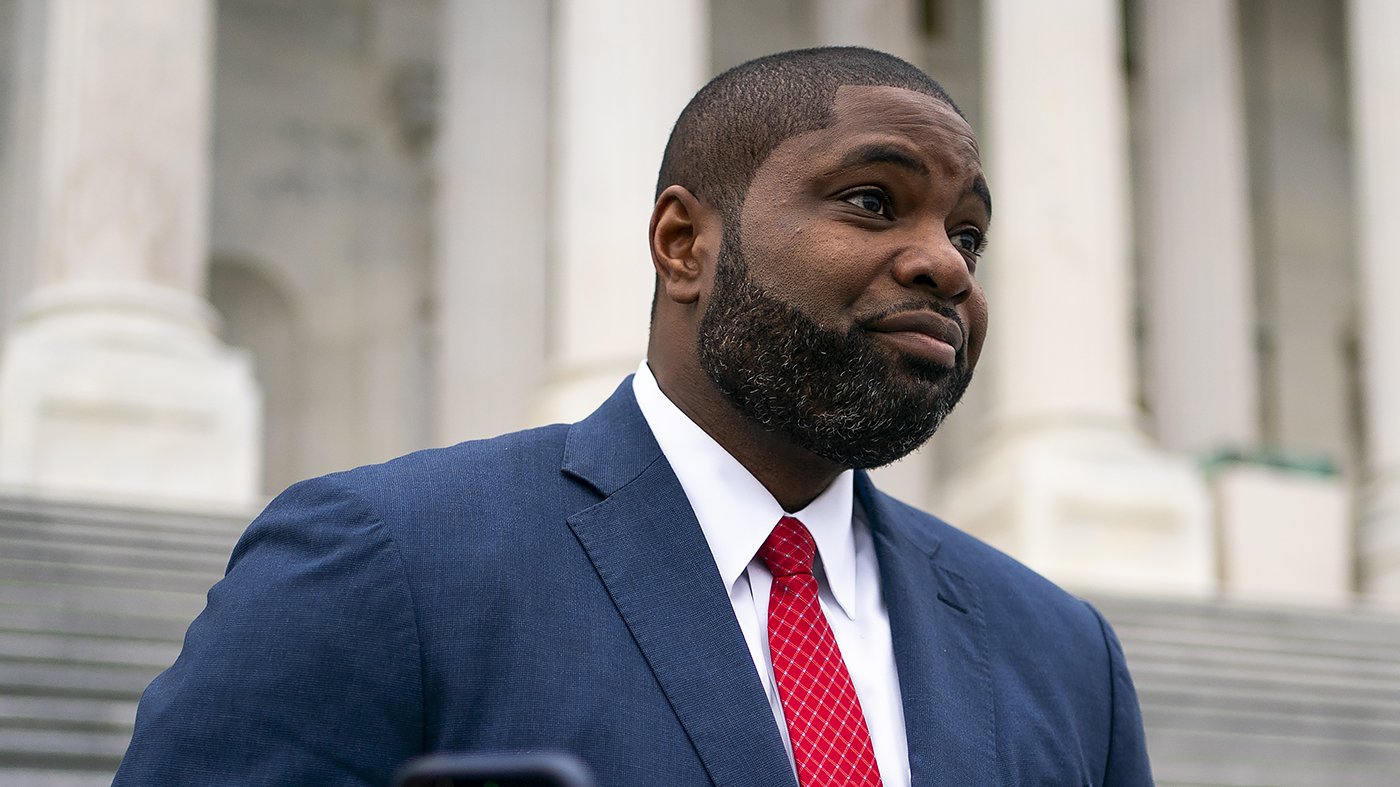
The reconciliation maneuver, which would allow passage with a simple Senate majority and bypass a Democratic filibuster, faces immediate procedural hurdles. Key conservatives point to the Senate parliamentarian's role in the "Byrd Bath" process, which strips out provisions deemed extraneous to the budget. "They're not gonna let that through reconciliation. It's policy. It's not budget. It won't work," said Representative Keith Self, a Texas Republican. Representative Byron Donalds of Florida was more pointed, questioning if leadership had "a new parliamentarian over there that I don't know about?" and calling the Senate's approach "the mess they try to pull."
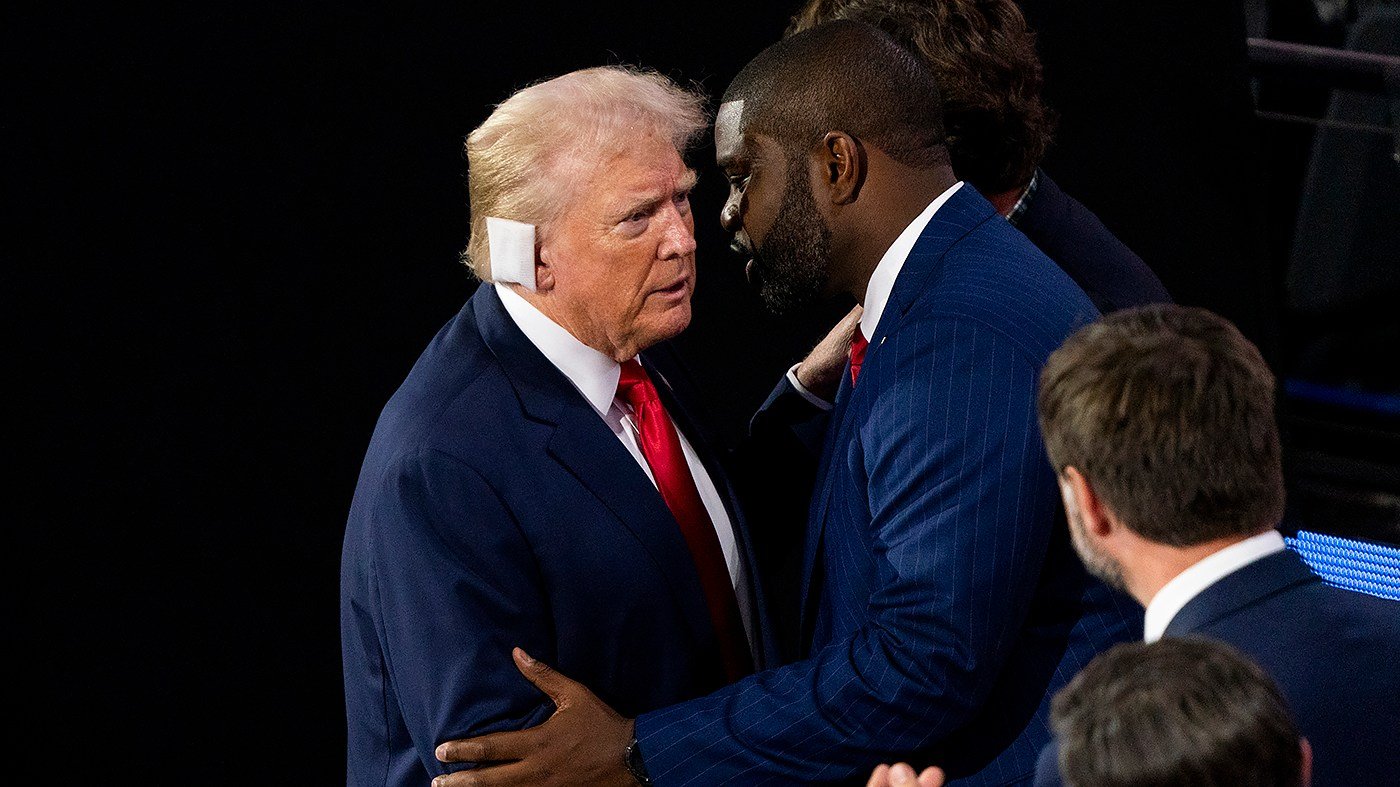
Representative Anna Paulina Luna, a Florida Republican, accused the Senate of deception. "SAVE America Act cannot pass through budget reconciliation," she stated. "And they think you're stupid. And so, I'm calling them out, and I'm not going to play their game." This sentiment reflects a broader distrust among the party's right flank toward procedural compromises, a dynamic also visible in debates over how foundational beliefs shape political strategy.
Senate Sponsors Also Pour Cold Water on Idea
The skepticism isn't confined to the House. Senator Mike Lee of Utah, a lead sponsor of the SAVE America Act, explicitly dismissed the reconciliation path on social media. "There are many things the Senate could pass with a simple majority using the procedure known as 'budget reconciliation,'" Lee wrote. "The SAVE America Act is *not* one of them." He urged continued debate on the floor until it passes. Senator Rick Scott of Florida also expressed doubts. Their stance highlights the legislative bind: the bill lacks the 60 votes needed to overcome a filibuster under normal rules, but the alternative partisan route is seen as non-viable for its core aims.
Former President Trump, who has made the bill a top priority and linked it to negotiations over Homeland Security funding, offered a non-committal response when asked about a potential deal. "I don't want to comment until I see the deal," he said Tuesday, adding, "I think any deal they make, I'm pretty much not happy with it." This ambivalence from the party's standard-bearer leaves Senate Republicans navigating between an immovable Democratic bloc and an unmovable base.
Graham Signals Push for Reconciliation Package Nonetheless
Despite the vocal opposition, Senate Budget Committee Chairman Lindsey Graham indicated a push toward a second reconciliation bill is proceeding. After consulting with Trump and Senate Majority Leader John Thune, Graham said the committee would "expeditiously move" and suggested the package could include "many opportunities to improve voter integrity." He did not specify how such provisions would survive the parliamentarian's scrutiny. This has left even allies confused. Representative Ralph Norman of South Carolina questioned the mechanics: "It's reconciliation. It affects the budget. You have to have an income and expense. I don't know how he's gonna do that."
The pressure on Leader Thune is immense. Many House Republicans have vowed to block other Senate-passed bills until the SAVE America Act is approved. Conservatives continue to demand Thune employ a "talking filibuster" strategy to try to pass the bill with 51 votes, a tactic he has so far avoided in favor of an extended debate to pressure Democrats. "He knows that through regular order, the Senate Democrats are never going to vote for cloture," argued Representative Donalds. "He's got a choice to make... Is your role to protect the procedures of the Senate?"
This internal GOP struggle over legislative tactics occurs against a backdrop of broader national divisions, similar to the deep partisan splits evident in foreign policy debates. The impasse over the SAVE America Act underscores a recurring theme in the current Congress: the difficulty of translating campaign priorities into law, even with unified Republican control, due to Senate rules and internal ideological disagreements over process. As the debate drags on, it consumes political capital that could be directed elsewhere, even as public concern shifts toward issues like economic pessimism and the job market.