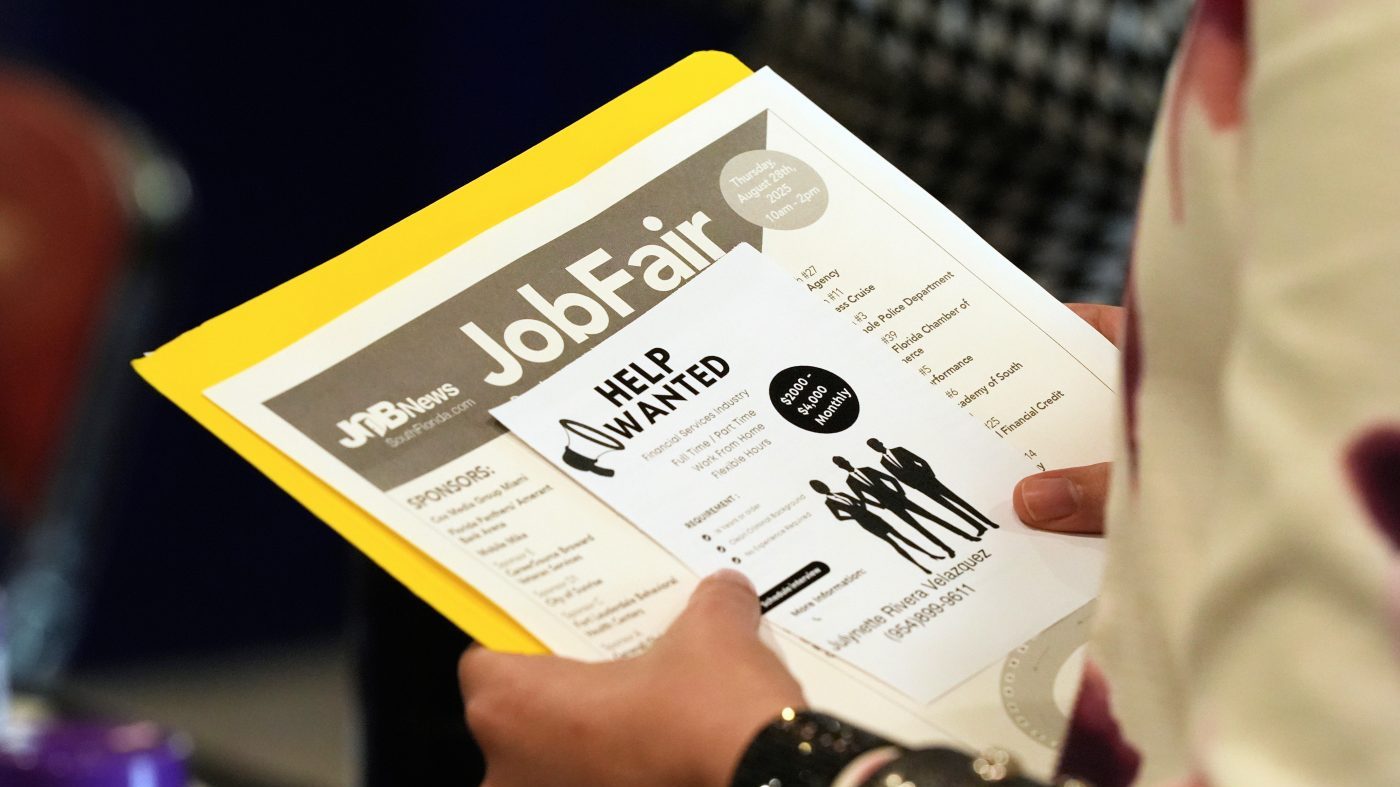
American confidence in the labor market has collapsed, with nearly three-quarters of the public now viewing conditions as unfavorable for finding a quality job, according to a major new survey from Gallup. The findings, conducted late last year and released this week, point to a profound shift in economic sentiment that has carried into 2026 amid disappointing employment reports.
Widespread Pessimism Takes Hold
The Gallup poll, which surveyed over 22,000 adults between October 30 and November 13, 2025, found that 72% of respondents believed it was a "bad time" to find a new role. Only 28% expressed optimism about job hunting. This negative outlook represents a significant deterioration from previous years and suggests economic concerns are moving beyond inflation to core issues of employment security and opportunity.

Education Level Influences Outlook
Notably, pessimism was most acute among workers with college degrees or higher. Only 19% of this group described the market as a "good time" to search, compared to 35% of those without a degree. This divergence may reflect white-collar sector instability or heightened expectations among educated workers that are not being met by the current economy. The data contradicts the traditional pattern where higher education typically correlates with greater labor market confidence.
The survey's grim findings are backed by hard economic data. The U.S. economy added only 181,000 new jobs in all of 2025, averaging a meager 15,000 per month. This marks a dramatic slowdown from 2024, which saw gains of 186,000 jobs per month for a yearly total of 2.2 million. The stagnation has continued into the new year; a Bureau of Labor Statistics report for February 2026 showed a net loss of 92,000 jobs and a rise in the unemployment rate to 4.4%.
Financial Strain and Quality of Life
The labor market's weakness is forcing difficult compromises for those who do find work. A separate survey from ZipRecruiter indicates that over a quarter of new hires are accepting pay cuts when starting roles. Among that group, 65% said they took lower pay because they were unemployed and needed immediate income, highlighting the leverage employers hold in a cooling market.
This financial pressure appears to be affecting overall well-being. The Gallup poll also measured workers' life enjoyment, finding that 49% now describe themselves as "struggling," compared to 46% who say they are "thriving." This represents a negative shift from the third quarter of 2025, when responses were nearly evenly split. The decline in subjective well-being alongside objective job market data paints a picture of an increasingly anxious workforce.
The pervasive economic uncertainty may be influencing other sectors. For instance, recent market rallies tied to geopolitical developments have been volatile, suggesting investor sensitivity to any news that could impact growth. Similarly, public perception of U.S. foreign policy stability could be compounded by domestic economic worries.
With a margin of error of approximately one percentage point, the Gallup survey provides a high-confidence snapshot of national sentiment. The data suggests that despite avoiding a technical recession, the U.S. economy is failing to generate the quality or quantity of jobs needed to sustain public confidence. As political divisions in Washington complicate legislative responses, the deepening job market pessimism is likely to become a central issue in the upcoming policy debates and electoral cycle.