House Speaker Mike Johnson is confronting a persistent and potentially crippling challenge: maintaining attendance within his razor-thin Republican majority as lawmakers increasingly turn their focus to the 2026 midterm elections. This emerging pattern of absences threatens to derail the legislative agenda on critical issues including government funding, foreign surveillance authority, and national security.
Absences Highlight Structural Vulnerability
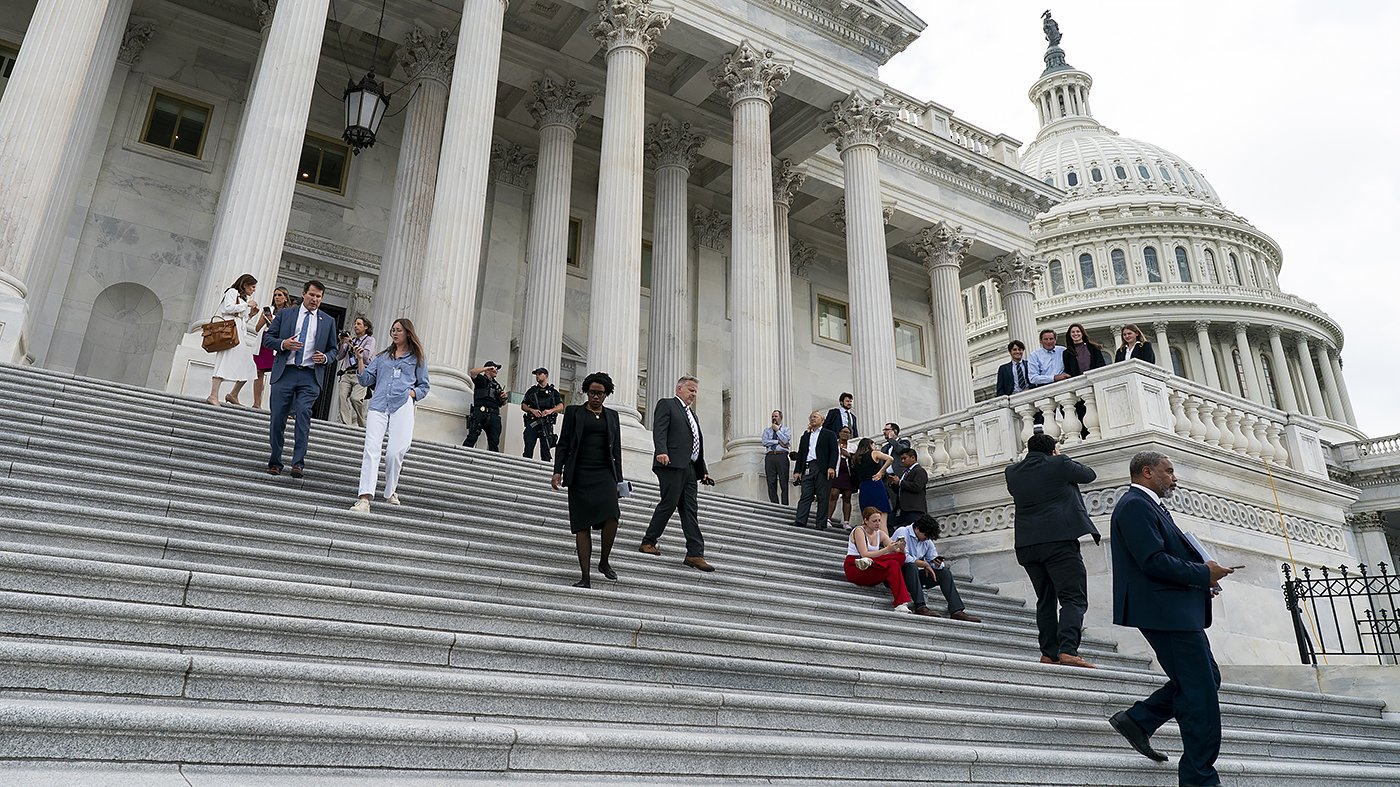
The precarious situation became evident during a series of routine votes this week. On Tuesday, 22 Republicans failed to cast votes, followed by seven on Wednesday and five on Thursday. While Democratic absences were comparable, and a predicted storm complicated travel, the numbers underscored a deeper structural problem for GOP leadership. With Johnson able to lose only a single vote on party-line measures assuming full attendance, every absence carries significant weight.
Several Republican members voiced concern about the trend. "Absolutely. We've got to get people here," said Representative Tim Burchett of Tennessee. Representative Eric Burlison of Missouri noted the difficulty of managing a slim majority, comparing it to "herding cats." He suggested members are calculating the "opportunity costs" of being in Washington versus campaigning in their districts, especially on votes they may not view as top priorities.
Recent Close Calls Foreshadow Trouble
The consequences of thin margins have already been demonstrated. In January, GOP leaders were forced to hold a war powers vote open for over an hour until Representative Wesley Hunt of Texas arrived to cast a decisive ballot. His opposition was crucial to blocking a resolution that would have represented a political setback. The whip's office stated it maintains weekly contact with members about attendance and rarely enters a vote blind, but the pressure is intensifying.
Johnson himself has delivered blunt instructions to his conference. "I've told everybody... 'No adventure sports, no risk-taking, take your vitamins and stay healthy and be here,'" the Speaker said. Representative Dan Newhouse of Washington echoed the sentiment, stating, "We need everybody in attendance if we're going to pass something."
Major Legislative Tests Loom
The attendance issue arrives as Congress faces a packed and contentious calendar. A top priority is securing a clean extension of Section 702 of the Foreign Intelligence Surveillance Act, which expires on April 20. The first hurdle will be passing the rule to debate the measure—a procedural vote that typically requires strict party unity. Representative Lauren Boebert has already pledged to oppose the rule unless certain conditions are met, and others may join her, forcing Johnson to rally every available vote.
Further complicating the schedule are efforts to pass a major partisan spending package using reconciliation rules and a supplemental funding bill for military operations, including the ongoing conflict with Iran that is straining U.S. forces. "I think that'll be the real test, is when we have something that's of significance," Burlison said.
Election-Year Pressures Mount
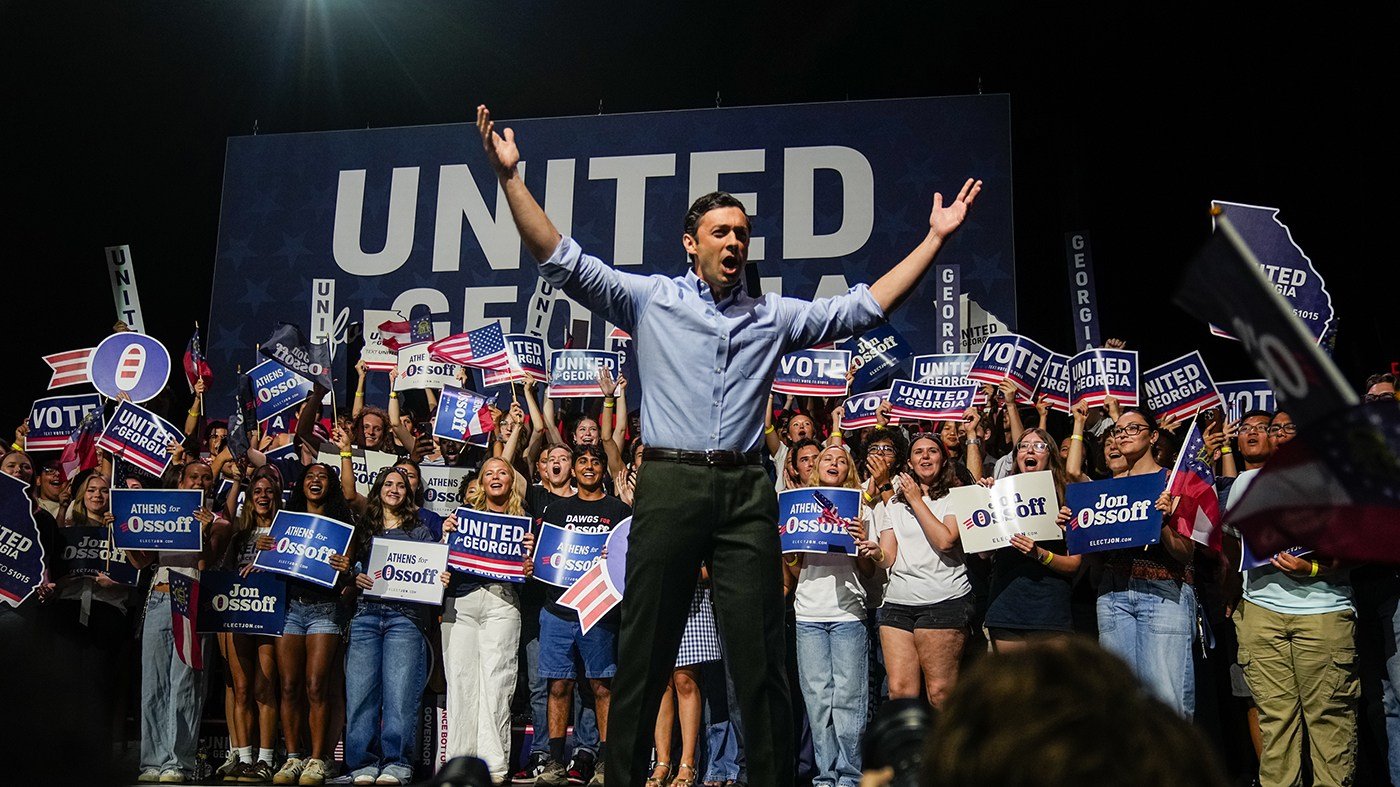
The challenge is expected to grow more severe as primary season advances. Members facing competitive races will spend more time in their districts, and those who have lost primaries or are not seeking re-election may begin to disengage. When asked about members who lost primaries, Johnson expressed confidence they would "do their duty," acknowledging it involved only "a couple" of lawmakers.
Historically, the president's party suffers losses in midterm elections, narrowing the window for passing key elements of the administration's agenda. This dynamic increases pressure on Johnson to move legislation quickly, but doing so requires a full bench. The situation is compounded by broader political tensions, including internal GOP strategies that risk alienating key voter blocs.
For now, Johnson's ability to govern hinges on a daily whip count and the willingness of his members to prioritize legislative business over campaign imperatives. With major votes on surveillance, spending, and national security looming, the Speaker's management of his conference's attendance will be a defining test of his tenure and the GOP's capacity to govern.